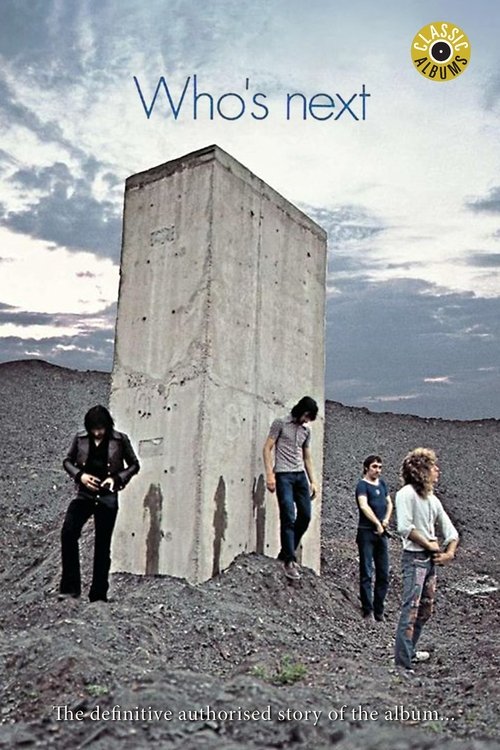
Classic Albums: The Who - Who's Next
1999
No user ratings available yet
Representation score: 0.6 out of 10
Representation Score
Excellent
2001
NRDirector
Bob Smeaton
Runtime
49 minutes
Average Rating
No ratings yetNew Showbiz Analysis
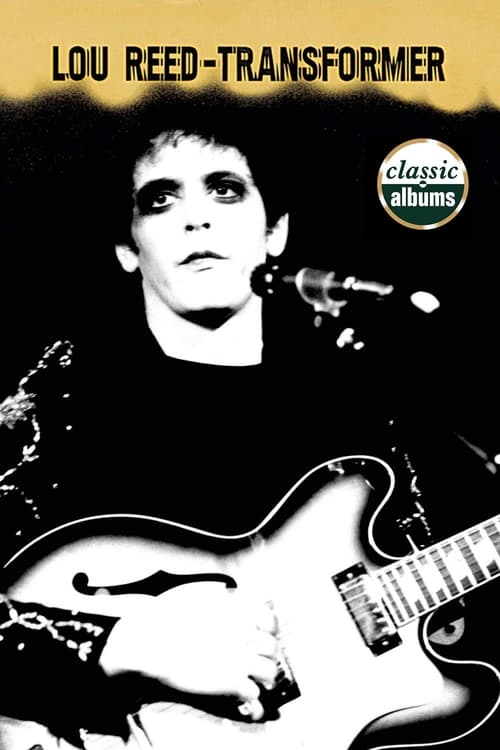
This documentary captures how queer and gender-fluid subcultures shaped the mainstream musical canon. By examining the shift from avant-garde minimalism to glam rock, it highlights how identity and social norms were questioned. The film's strength lies in its sophisticated portrayal of 'outsider' status. It frames the rejection of mainstream societal expectations as essential to artistic evolution, especially through the lens of New York's bohemian art scene. However, the scope is narrow. The focus on a specific Anglo-centric rock lineage results in limited racial diversity among the primary subjects, and the exploration of psychological states avoids specific disability-centric narratives.
Category Breakdown
The film explores the influence of queer aesthetics and subcultures during the Transformer era. It emphasizes non-traditional gender identities as key drivers of artistic innovation, rather than mere novelties.
The documentary looks at how traditional gender hierarchies were disrupted through glam aesthetics. It highlights how artists used gender-bending performances to challenge rigid masculine norms and depict gender as a flexible concept.
The film focuses on a specific 1970s New York rock scene. While it captures urban socioeconomic realities, it does not center a diverse racial cast in its main interviews.
The film excels at showing counter-cultural movements that challenged Western institutions. It portrays the bohemian, outsider lifestyles of the 1970s art scene with intellectual sophistication and creative depth.
There is no explicit focus on visible or invisible disabilities. The artists' mental landscapes are discussed through the lens of creative temperament rather than clinical narratives.
Present on Screen
Limited or Absent
Official Synopsis
In 1972, Lou Reed's second solo album Transformer elevated him from a minor cult figure to one of the best known and most talked about artists in rock & roll, with its incisive portrait of the demimonde and the distinctive hit single "Walk on the Wild Side." Classic Albums: Lou Reed -- Transformer offers a look at the making of this landmark album, with Lou Reed and engineer Ken Scott offering an in-depth perspective on the recording sessions, and Herbie Flowers revealing how he came up with his memorable bass line for "Walk on the Wild Side."
1999
2005
2002
2021
2007
2010
1997
2008
No reviews yet. Be the first to share your thoughts on this movie!
Use the rating form above to leave a star rating and optional review.