The Hunting Ground
2015
No user ratings available yet
Representation score: 9.7 out of 10
Representation Score
Excellent
2012
NRDirector
Kirby Dick
Runtime
93 minutes
Average Rating
No ratings yetNew Showbiz Analysis
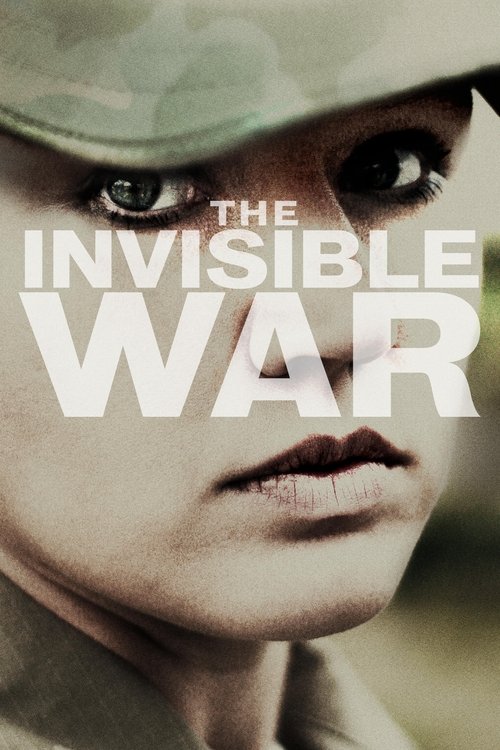
Kirby Dick’s investigative documentary dismantles the myth of military honor by centering the survivors of sexual violence. The film exposes how institutional hierarchies and patriarchal structures protect perpetrators while silencing victims. By using a multi-layered approach, the work moves beyond a simple crime report to critique the systemic oppression inherent in military culture. It successfully shifts the focus from institutional preservation to the real-life experiences of individuals. While the film is a powerful indictment of gendered power dynamics, it maintains a narrower focus on gender and institutional critique rather than a broad exploration of racial or ethnic diversity.
Category Breakdown
The film gives significant space for LGBTQ+ service members to share their stories. It explores how non-straight identities intersect with military vulnerabilities and highlights the systemic erasure of queer experiences.
This documentary deconstructs traditional gender hierarchies by focusing on the lived experiences of female service members. It analyzes how patriarchal structures and gendered power dynamics enable sexual violence.
The narrative recognizes that sexual assault impacts vary among different groups. While racial diversity is acknowledged, it serves as a secondary layer to the primary focus on gender.
The film rigorously critiques the U.S. military, portraying it as a complex system prone to corruption. It deconstructs traditional patriotic narratives to prioritize individual truth over institutional honor.
The documentary examines the psychological consequences of trauma, such as PTSD, with significant depth. It provides a nuanced look at invisible disabilities resulting from systemic failures within the service population.
Present on Screen
Limited or Absent
Official Synopsis
An investigative and powerfully emotional documentary about the epidemic of rape of soldiers within the US military, the institutions that perpetuate and cover up its existence, and its profound personal and social consequences.
2015
2013
2004

2016

2022

2006
2013
2008
No reviews yet. Be the first to share your thoughts on this movie!
Use the rating form above to leave a star rating and optional review.