
The Railway Man
2013
No user ratings available yet
Representation score: 4.6 out of 10
Representation Score
Fair
2015
PG-13Director
Patricia Riggen
Runtime
120 minutes
Average Rating
No ratings yetNew Showbiz Analysis
The film stands out as a regional storytelling effort, offering a fresh perspective by centering a Chilean working-class struggle. Its commitment to ethnic authenticity and its critique of corporate systemic failures provides a strong foundation for non-Western representation. However, the narrative adheres to traditional social structures. Gender dynamics are strictly divided, with men taking action roles and women in supportive, domestic capacities. This limits the film's potential for promoting gender equality. Overall, the film focuses on class and communal survival rather than identity diversity. While it lacks LGBTQ+ visibility and nuanced disability representation, its refusal to center Anglo-Saxon perspectives makes it a significant cultural work.
Category Breakdown
The film focuses on traditional family relationships, showing husbands, wives, and children. There are no visible representations of non-binary gender identities or same-sex relationships.
Men dominate the physical survival and technical aspects of the plot, while women are confined to domestic and emotional roles. Despite women showing psychological strength, the film upholds traditional gender hierarchies.
The film features a predominantly Chilean cast, providing authentic regional representation. It breaks Hollywood homogeneity by centering a non-Western, non-Anglo demographic in a high-stakes survival story.
The narrative criticizes capitalist structures, depicting the collapse as a result of corporate negligence. It highlights communal solidarity over Western ideas of rugged individualism.
Physical trauma and physiological changes serve mainly as plot obstacles. The film does not explore neurodivergence or permanent disabilities in depth, focusing instead on survival tension.
Present on Screen
Limited or Absent
Official Synopsis
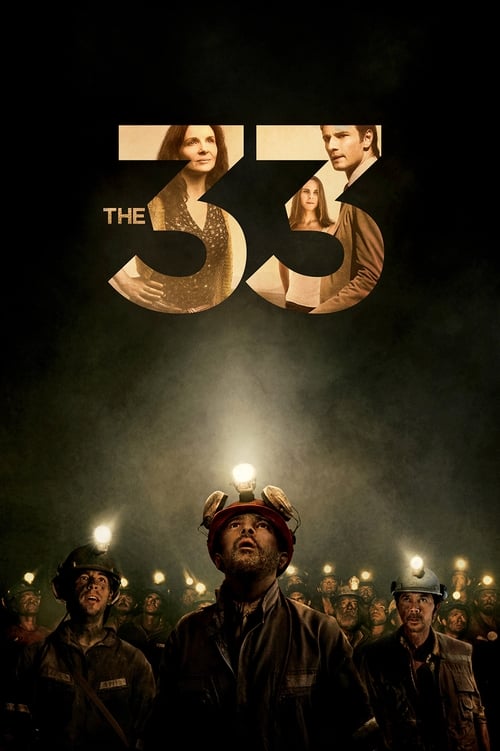
Based on the true story of the collapse of a mine in San Jose, Chile—that left 33 miners isolated underground for 69 days.
2013

1959

2016

2013

2006

2011

2013

2010
No reviews yet. Be the first to share your thoughts on this movie!
Use the rating form above to leave a star rating and optional review.