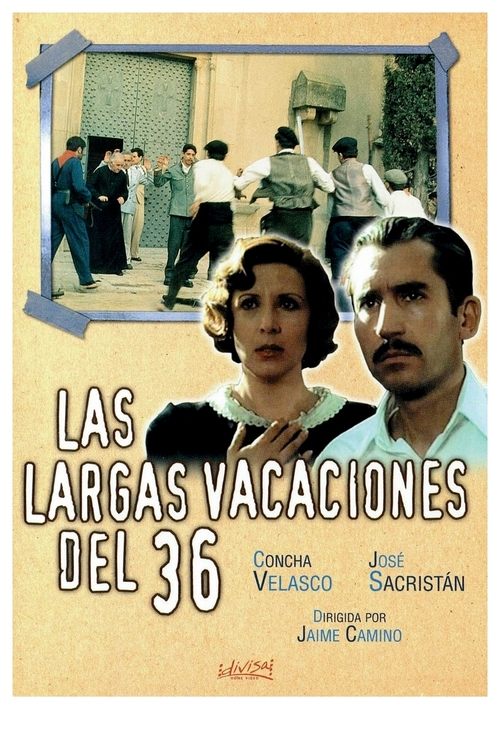
The Long Vacations of '36
1976
No user ratings available yet
Representation score: 5.1 out of 10

Representation Score
Fair
1978
RDirector
Eugeni Anglada
Runtime
98 minutes
Average Rating
No ratings yetNew Showbiz Analysis
Rage serves as a powerful docudrama that utilizes the specific cultural lens of a Catalan village to deconstruct the monolithic history of the Franco era. Its primary strength lies in its political and cultural interrogation, using regionalism to challenge centralized, authoritarian power structures. However, the film's focus on socio-political struggle leaves significant gaps in representation for other underrepresented groups. There is a notable absence of information regarding LGBTQ+ identities and disability representation. Ultimately, the film succeeds as a critique of institutional hegemony, prioritizing the lived experiences of a specific regional identity over the state-sanctioned narratives of the time.
Category Breakdown
The film does not explicitly depict non-straight relationships. Queer stories may be shown through the lens of systemic repression under an authoritarian regime.
The story explores the tension between traditional family roles and women navigating a patriarchal, authoritarian state. It likely depicts the subversion of traditional roles during times of instability.
The film provides significant representation of Catalan regional identity. By centering this specific cultural group, it challenges the homogenized national identity enforced by the centralizing power of the era.
The docudrama critiques traditional Western institutions, including the church and the state, as oppressive forces. It prioritizes localized truths over state-sanctioned historical narratives.
There is no verifiable evidence regarding the portrayal of physical or neurodivergent disabilities within the film.
Present on Screen
Limited or Absent
Official Synopsis
In this docudrama, life in a Catalan village in the early years of the Franco era (1939-1975) is chronicled.
1976

2011

2006

1964

2017
2001

1972

1965
No reviews yet. Be the first to share your thoughts on this movie!
Use the rating form above to leave a star rating and optional review.