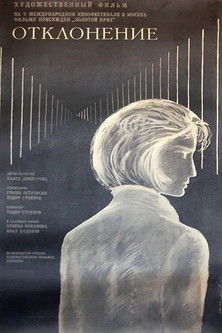
Detour
1967
No user ratings available yet
Representation score: 4.0 out of 10
Representation Score
Fair
1968
Director
Malvina Urșianu
Runtime
92 minutes
Average Rating
No ratings yetNew Showbiz Analysis
The film is a character-driven psychological drama that highlights nuanced gender dynamics. By portraying Irina as a professional scientist with significant autonomy, the narrative avoids passive female stereotypes common in 1960s cinema. However, the film lacks diversity. Its focus on a homogeneous social group and traditional romantic structures result in limited representation of LGBTQ+, racial, and cultural diversity. Ultimately, the film excels in depicting emotional complexity and intellectual parity, though it adheres to the demographic norms of its time.
Category Breakdown
The film does not include explicit representations of LGBTQ+ identities or structures that go beyond traditional heterosexual relationships. The story focuses on a romantic triangle that reinforces conventional heterosexual norms.
Irina challenges traditional feminine stereotypes through her independent and professional demeanor as a scientist. The film examines the balance of power and intellectual equality between her and the male protagonist.
The cast does not show any diversity in terms of race or ethnicity. The characters seem to come from a similar social background typical of mid-century European films.
The story emphasizes psychological realism and situational ethics rather than strict institutional values. It explores complex human relationships through themes of love, abandonment, and the dismantling of idealized pasts.
The film does not provide any information about characters with physical or neurodevelopmental disabilities.
Present on Screen
Limited or Absent
Official Synopsis
Sent on assignment to write a report on a scientist from an industrial complex, Caius, an established author, bumps into former schoolmate Cosma. Together they attend the press junket, discovering the subject of Caius’ assignment to be none other than their former university crush, Irina. The joyful reunion takes them to their old haunts, but once Cosma leaves, the remaining couple head down memory lane, spending the evening confronting each other with their conflicted shared history of love and abandonment. Between Caius’ enduring charm and Irina’s guarded independence, their romantic two-step will finally bring them requited closure.
1967

1961
2020
1965
1977

1971
1966
1954
No reviews yet. Be the first to share your thoughts on this movie!
Use the rating form above to leave a star rating and optional review.