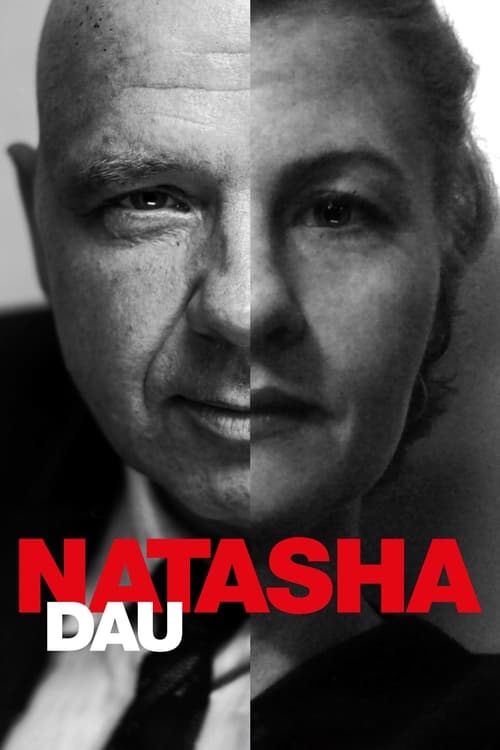
DAU. Natasha
2020
No user ratings available yet
Representation score: 6.1 out of 10
Representation Score
Limited
2020
Director
Ilya Khrzhanovsky, Jekaterina Oertel
Runtime
104 minutes
Average Rating
No ratings yetNew Showbiz Analysis
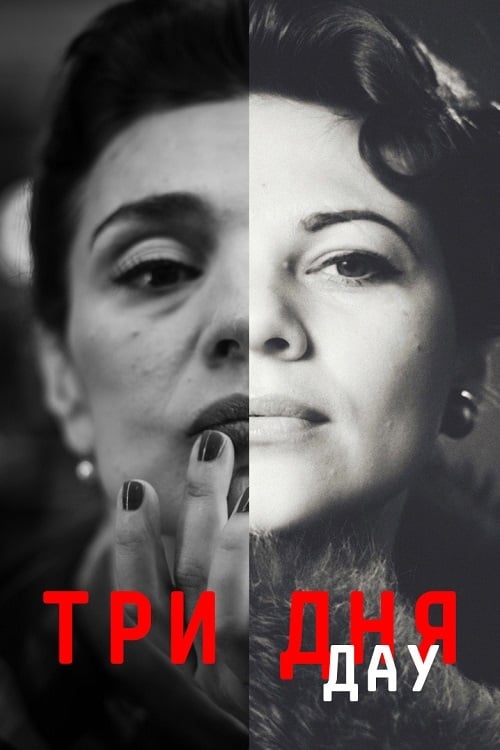
DAU. Three Days is a postmodern experiment that prioritizes the deconstruction of institutional power over demographic diversity. It serves as a critique of institutional authority rather than a study of identity-based representation. The film's narrative structure dismantles conventional social stability. It replaces traditional morality with survivalist ethics, creating a world where characters navigate the chaos of a simulated, oppressive system. While the work lacks diversity in terms of race, gender, and LGBTQ+ identities, it achieves depth through its sophisticated cultural critique of totalitarianism and social order.
Category Breakdown
The story focuses on heterosexual romance between a male scientist and a female actress. There are no instances of same-sex relationships or non-binary gender identities.
Women are mainly shown through their relationships to men, such as the protagonist's wife or ex-lover. The film reflects the strict gender roles of the mid-20th century.
The setting emphasizes ethnic uniformity, reflecting the historical constraints of the Soviet era. The cast is predominantly Russian with limited non-Slavic representation.
The film effectively critiques traditional institutions and centralized authority. It examines the tension between individual ability to act and state-imposed structures in a simulated totalitarian environment.
The film explores severe psychological issues but does not feature characters with visible or invisible disabilities as central figures.
Present on Screen
Limited or Absent
Official Synopsis
It is 1956. Dau is a distinguished Soviet scientist who meets up with the love of his youth – Maria, a Greek actress – during her three day visit to Moscow. They haven’t seen each other for 25 years. Dau is a successful and prosperous scientist, but feels excruciatingly dissatisfied with his family life. Through Maria he hopes to regain lost harmony and beauty, but reality intrudes when Nora, Dau’s wife, returns home.
2020
1964
2020
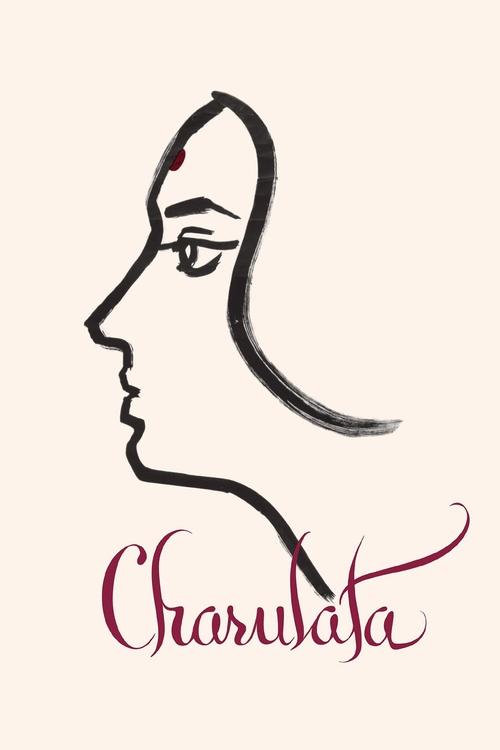
1964

2020
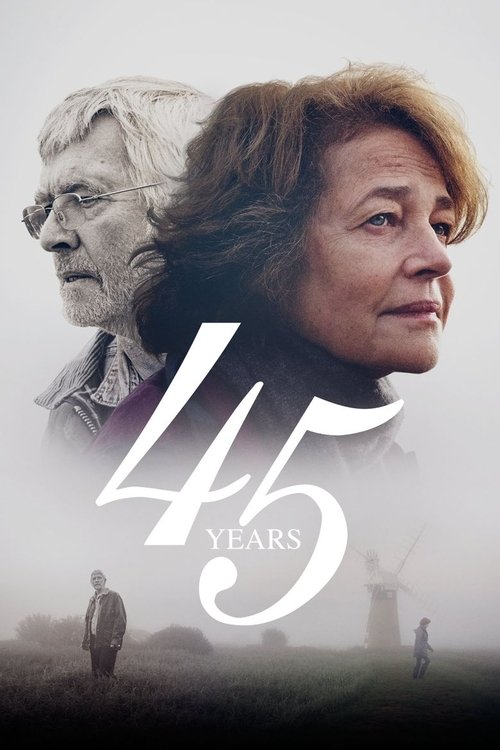
2015
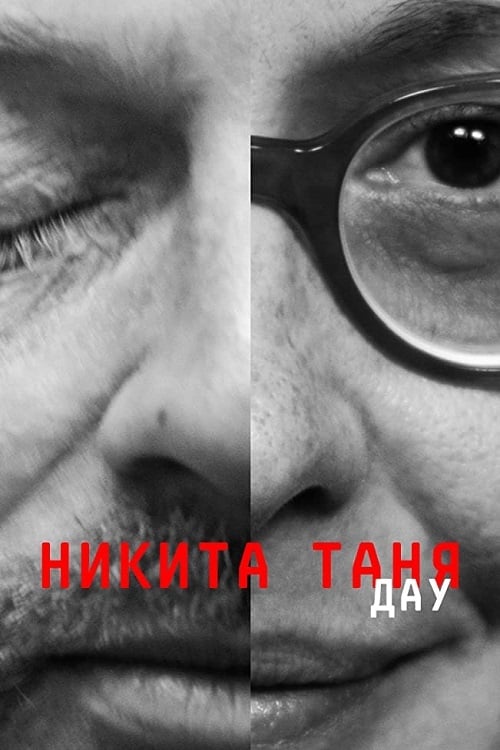
2020
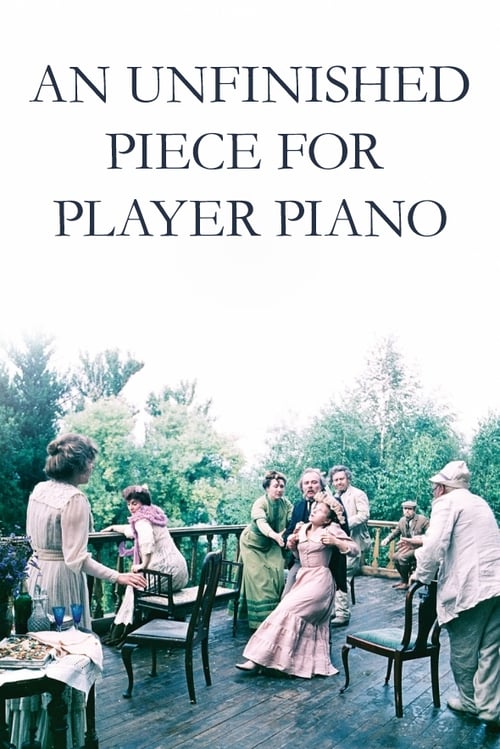
1977
No reviews yet. Be the first to share your thoughts on this movie!
Use the rating form above to leave a star rating and optional review.