
DAU. Three Days
2020
No user ratings available yet
Representation score: 3.7 out of 10
Representation Score
Fair
1977
Director
Nikita Mikhalkov
Runtime
98 minutes
Average Rating
No ratings yetNew Showbiz Analysis
Nikita Mikhalkov’s drama is a sophisticated exploration of the human spirit against a rigid, mechanized social order. It excels as a philosophical critique of industrialization and systemic efficiency, offering deep insight into the friction between individual consciousness and social structures. However, the film remains anchored in a traditional, homogeneous demographic. The narrative focuses on male-driven philosophical inquiries, which limits the role of female characters and lacks diverse representation across gender, race, and LGBTQ+ identities. Ultimately, while the film is a masterwork of existential inquiry, its narrow social focus results in a low aggregate diversity score.
Category Breakdown
The film does not feature any prominent LGBTQ+ characters or identities that challenge traditional norms. The story focuses on existential and social isolation without any clear queer undertones.
The story centers on the intellectual and existential crises of male protagonists. While avoiding harmful stereotypes, it does not significantly challenge traditional gender roles.
Set in late 19th-century Russia, the film depicts a homogeneous social structure. There is no evidence of racial diversity or casting that challenges historical norms.
The film strongly critiques modernity and technocracy. It explores the tension between the human spirit and the dehumanizing logic of organized society.
There are no prominent depictions of visible or invisible disabilities. Character struggles are framed through psychological and existential issues rather than physical limitations.
Present on Screen
Limited or Absent
Official Synopsis
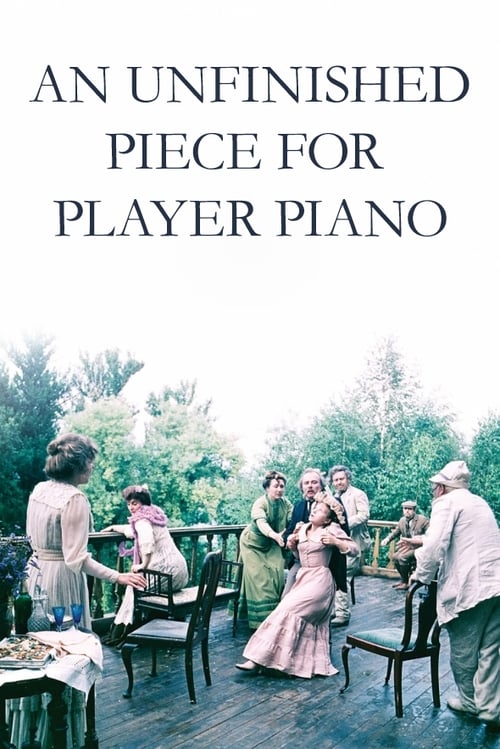
On a summer day in late 19th century Russia, a group of bourgeois friends and acquaintances gather at a dilapidated country estate.
2020
1964
1979
1951

1976
1999
1969

1951
No reviews yet. Be the first to share your thoughts on this movie!
Use the rating form above to leave a star rating and optional review.