
They Called Him Amigo
1959
No user ratings available yet
Representation score: 5.5 out of 10
Representation Score
Limited
1988
Director
Jerzy Kaszubowski
Runtime
101 minutes
Average Rating
No ratings yetNew Showbiz Analysis
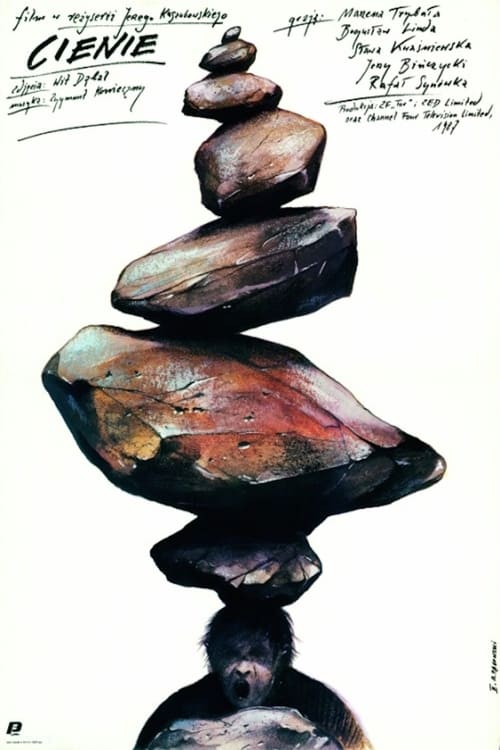
Shadows is a historical drama that focuses on the psychological impact of systemic ethnic manipulation rather than traditional battle scenes. It provides a nuanced view of how totalitarian regimes try to reshape identity through programs like Lebensborn. The film effectively critiques historical trauma by examining the intersection of ethnicity and state-imposed identity. It offers a sophisticated look at how political changes affect the stability of the family unit. However, the narrative's scope is narrow in terms of broader social representation. It lacks engagement with LGBTQ+ identities or disability representation, focusing solely on the specific historical context of post-war Poland.
Category Breakdown
The film does not include any LGBTQ+ characters or stories. The plot centers around wartime displacement and traditional family structures.
A reunion between mother and daughter highlights female resilience and emotional recovery. However, the story emphasizes the protagonist's interactions with male figures.
The film criticizes racial purity ideologies by showing the forced assimilation of Polish children. It explores the conflict between ethnic heritage and state-imposed identity.
The story looks at the tension between traditional domestic life and changing political orders. It portrays the post-war period as a time of great social upheaval.
The film does not mention any physical or neurodivergent disabilities. The focus is on psychological trauma and identity issues.
Present on Screen
Limited or Absent
Official Synopsis
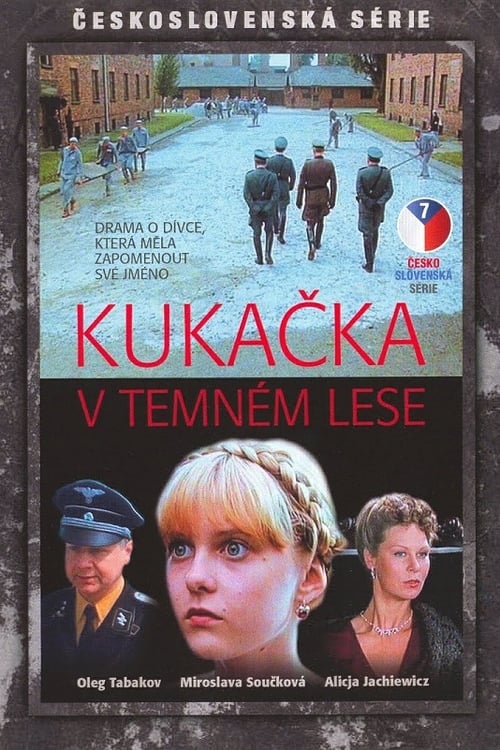
During the Second World War, tens of thousands of blonde, blue-eyed Polish children were snatched from their parents and given to German families. Lebensborn was part of Hitler's plan to expand the Aryan master race within the Third Reich. Eight-year old Jerzy returns home at the end of the war to a joyful reunion with his long-lost mother and grandfather. But problems arise as he is taunted by his peers and, longing for his missing father, burns with resentment for his new communist stepfather.
1959

2007
1985

2016

1987

2020

2011

1959
No reviews yet. Be the first to share your thoughts on this movie!
Use the rating form above to leave a star rating and optional review.