
The Demons
1973
No user ratings available yet
Representation score: 5.8 out of 10
Representation Score
Limited
1975
Director
Jesús Franco
Runtime
97 minutes
Average Rating
No ratings yetNew Showbiz Analysis
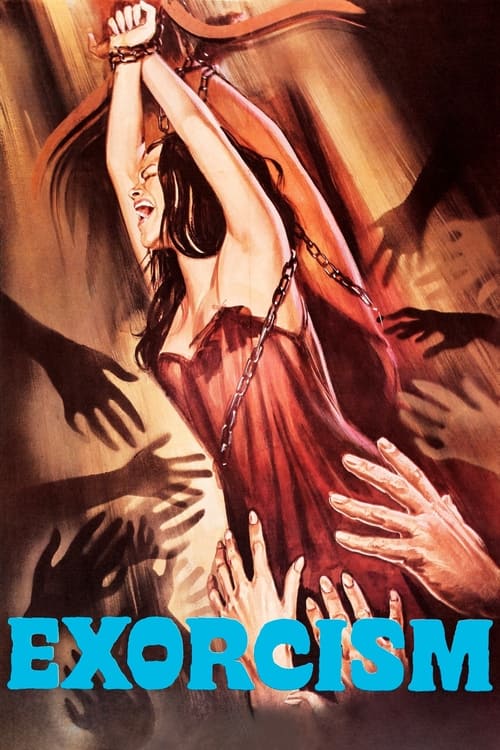
Exorcism (1975) operates within the rigid frameworks of 1970s exploitation cinema, prioritizing theological tension over multi-layered exploration. The film relies on established genre clichés that uphold traditional social and religious hierarchies. The narrative is driven by a patriarchal religious authority, positioning women and those experiencing mental instability as subjects to be acted upon rather than as autonomous characters. This creates a landscape where characters serve the plot's horror elements rather than possessing individual ability to act. Ultimately, the film lacks the intentionality required to disrupt cultural norms. It functions as a standard exploration of religious orthodoxy, maintaining a homogeneous and traditional demographic perspective.
Category Breakdown
The film lacks LGBTQ+ narratives or non-cisgender identities. Character dynamics center on traditional religious structures without queer subtext.
The narrative reinforces traditional gender hierarchies by centering a patriarchal religious figure. Female characters are defined by vulnerability rather than having a significant role in driving the story.
The film uses a homogeneous cast typical of 1970s European exploitation cinema. There is no evidence of significant racial blending or subversion of demographic norms.
The plot reinforces Western religious institutions. It operates within a framework of singular religious morality and established spiritual order.
Themes of mental instability and possession serve primarily as plot devices for horror. These conditions lack nuance and function as tools for ritualistic violence.
Present on Screen
Limited or Absent
Official Synopsis
A disturbed priest, who witness an occult ritual, thinks the people are possessed and start a private inquisition to exorcise the demons by torturing them to death.
1973
1961
1975

1977
1974
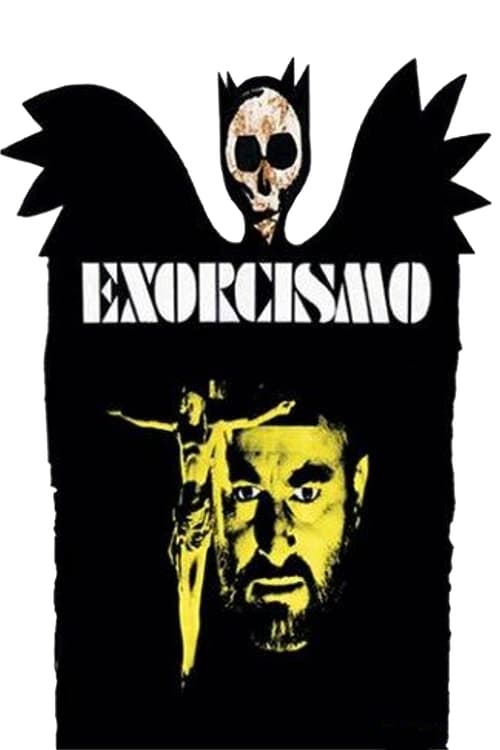
1975
1974
1977
No reviews yet. Be the first to share your thoughts on this movie!
Use the rating form above to leave a star rating and optional review.