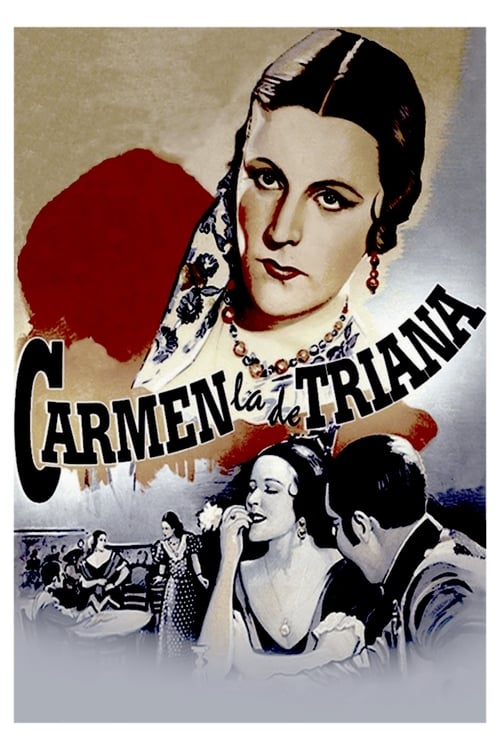
Carmen la de Triana
1938
No user ratings available yet
Diversity score: 4.0 out of 10

1959
Director
Tulio Demicheli
Runtime
106 minutes
Average Rating
No ratings yetSynopsis
Antonio is the leader of an underground armed group fighting in the village of Ronda against Napoleon's troops which have imposed French rule in 1808 Spain. Micaela is madly in love with Antonio but he is devoted to Carmen, the region's most beautiful gypsy who lives and sings at a local inn.
Overall Score
Fair
Category Breakdown
LGBTQ+ Representation
The narrative focuses on a traditional romantic triad centered on heteronormative desire. There is no evidence of non-cisnormative identities or critiques of heteronormativity.
Gender Representation
Male agency is defined by leadership and romantic pursuit, while women function as emotional catalysts. Carmen is a central figure, yet she operates within the traditional femme fatale trope.
Racial & Ethnic Diversity
The film centers Romani identity, placing a Gypsy woman at the heart of the story. This disrupts the homogeneity typical of Eurocentric period dramas through ethnic complexity.
Religious & Cultural Diversity
Set during the Napoleonic Wars, the story emphasizes nationalism and resistance against foreign occupation. The themes align with traditionalist views of patriotism and territorial integrity.
Disability Representation
There are no visible or mentioned depictions of physical or neurodivergent disabilities within the narrative.
Strengths
Areas for Improvement
AI Analysis
The film utilizes Romani culture to add texture to its historical landscape, providing a level of ethnic inclusion that distinguishes it from many period dramas. This centering of a marginalized group offers a layer of cultural complexity. However, the film remains tethered to mid-century melodrama. It relies on conventional gender roles where women serve as romantic obstacles or objects of desire rather than independent agents of change. Ultimately, the work prioritizes traditional romantic hierarchies and nationalist themes over the subversion of social or institutional norms.
1938
1954
1994
1945

1964
1995
1954

2002

1993
1987
1980
1985
No reviews yet. Be the first to share your thoughts on this movie!
Use the rating form above to leave a star rating and optional review.