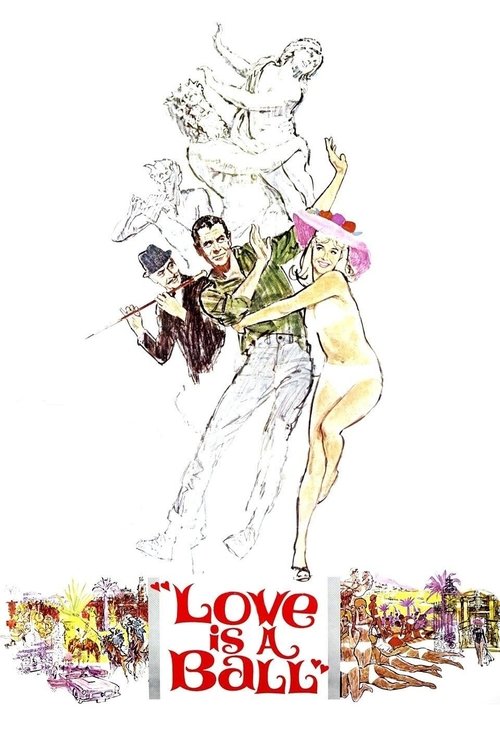
Love is a Ball
1963
No user ratings available yet
Representation score: 2.7 out of 10

Representation Score
Limited
1960
Director
Jacques Doniol-Valcroze
Runtime
95 minutes
Average Rating
No ratings yetNew Showbiz Analysis
This film begins to break down the strict social and romantic norms of its time, particularly in France. By giving female characters significant influence in their romantic lives, it challenges traditional gender roles. However, the film remains focused on a homogeneous European cast and does not include explicit LGBTQ+ identities or non-assuming gender matches what was assigned at birth characters. Despite exploring non-traditional relationships, the lack of racial and ethnic diversity keeps the overall score moderate. The film’s strengths lie in its examination of non-traditional relationship structures and its focus on subjective morality within a bourgeois context.
Category Breakdown
The film includes a non-traditional relationship between Fifine and Robert, but it doesn't explicitly identify them as part of the LGBTQ+ community. This limits the representation of diverse sexual orientations.
Female characters like Miléna and Fifine play significant roles in driving the plot through their romantic decisions and actions. They navigate issues of infidelity and courtship without falling into submissive stereotypes.
The cast is primarily made up of white actors representing the European bourgeoisie of 1960s Paris. There are no non-white characters or actors playing roles traditionally associated with different ethnicities.
The film focuses on secular passion and moral relativism, avoiding traditional religious frameworks. It explores the transient nature of desire rather than following established moral codes.
There are no characters with visible or invisible disabilities that play a central role in the narrative or character development.
Present on Screen
Limited or Absent
Official Synopsis
Miléna is living in her grandmother's baroque château when the rich lady dies. The lawyer Miguel, who had a previous relationship with Miléna, insists the other two grandchildren, Fifine and her brother Jean-Paul, visit the château for the reading of the will, even though they have been estranged from the family at an early age. However Robert, who had been living with Fifine in an open relationship, arrives and impersonates Jean-Paul. Robert falls for Fifine's cousin Miléna while Fifine has designs on Miguel. In the meantime, the butler César is focusing his lecherous intentions on Prudence, the maid he had just hired.
1963
1955
2003
1976
2000
1957
1986

1960
No reviews yet. Be the first to share your thoughts on this movie!
Use the rating form above to leave a star rating and optional review.