Love is a Ball
1963
No user ratings available yet
Representation score: 2.7 out of 10
Representation Score
Limited
2000
PGDirector
Eric Styles
Runtime
87 minutes
Average Rating
No ratings yetNew Showbiz Analysis
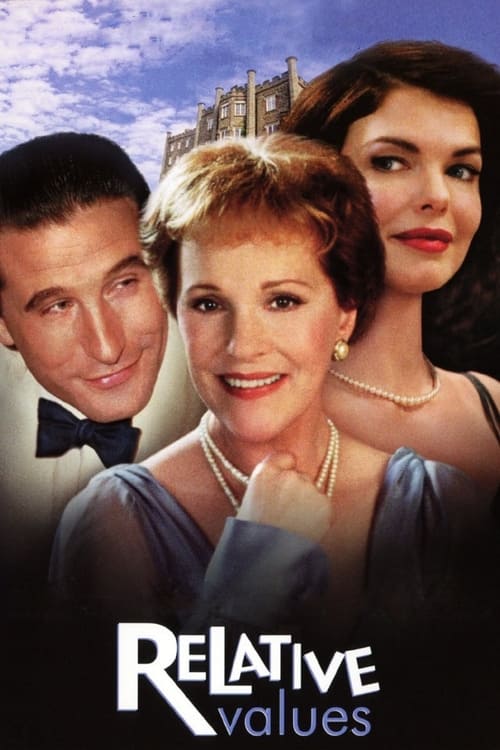
Relative Values functions as a conventional period romantic comedy, relying on established genre clichés centered on class-based secrets and romantic entanglements within the British aristocracy and Hollywood elite. The film's structure emphasizes traditional social hierarchies without challenging them. The narrative lacks significant representation of diverse identities, adhering to the demographic norms of its 1952 setting. Ultimately, the production offers little disruption to Western cultural or gender norms, favoring a predictable, status-driven plot over progressive storytelling.
Category Breakdown
The story focuses on a traditional love triangle involving an Earl and a Hollywood star. There are no characters with non-traditional gender identities or critiques of the assumption that everyone is straight.
The plot revolves around domestic tensions driven by female characters such as the Countess and her maid. These dynamics are rooted in the strict social hierarchy of 1952 England.
The story unfolds within the British aristocracy and Hollywood circles, suggesting a predominantly white cast. The film reflects the era's traditional Western demographics.
The film operates within a traditional Western framework emphasizing class and lineage. It prioritizes social standing and aristocratic secrets over any critique of capitalism or secularism.
The narrative does not include characters with visible or invisible disabilities. There is no depiction of neurodivergence or physical disabilities.
Present on Screen
Limited or Absent
Official Synopsis
A comedy of discriminating taste and dirty little secrets. In 1952 England, Nigel, the Earl of Marshwood, woos Hollywood star Miranda, upsetting both Nigel's mother, Countess Felicity, and Miranda's former love fellow Hollywood star Don. Right before the engagement party at Marshwood, Moxie, the Countess's personal maid and best friend, reveals that Miranda is her estranged sister. Crestwell, the Countess's butler, devises a plan - but an inebriated Don's arrival at Marshwood to talk to Miranda causes all chaos to break loose.
1963
1938
1951
1955

1960
1936

2017

1939
No reviews yet. Be the first to share your thoughts on this movie!
Use the rating form above to leave a star rating and optional review.