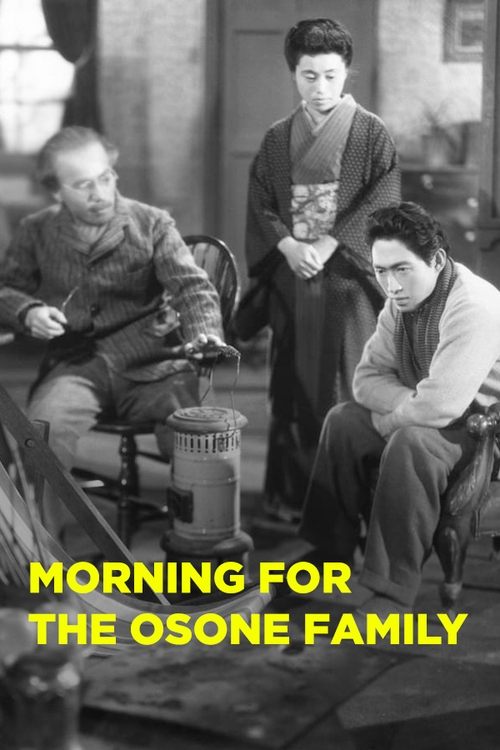
Morning for the Osone Family
1946
No user ratings available yet
Representation score: 4.6 out of 10

Representation Score
Fair
1981
Director
Gilles Carle
Runtime
259 minutes
Average Rating
No ratings yetNew Showbiz Analysis
The Plouffe Family is a period drama that prioritizes regional and cultural identity over broad demographic diversity. It uses the Great Depression and World War II to examine how broader societal changes reshape a traditional family unit. The film excels at capturing the nuances of Québécois identity and the internal lives of characters facing economic hardship. It provides a localized look at history through a specific ethnic lens. However, the film is limited by its historical setting, which lacks explicit representation of LGBTQ+ identities or multicultural diversity. The focus remains tightly bound to the social constraints of the mid-20th century.
Category Breakdown
The film focuses on domestic life during a period of intense social conservatism. Specific depictions of non-straight relationships are not explicitly detailed in the narrative.
The story depicts rigid gender roles of the 1930s and 40s. However, the direction highlights the psychological resilience and active role of women managing households during wartime.
The narrative centers on a specific Quebecois family, reflecting the demographic homogeneity of the era. It functions as an exploration of localized identity rather than multiculturalism.
The film centers on a non-English-speaking community during significant geopolitical shifts. It frames survival through the lens of localized, communal resilience and working-class struggles.
There is no information available regarding the presence of characters with visible or invisible disabilities.
Present on Screen
Limited or Absent
Official Synopsis
The lives of the average Quebecois Plouffe family during the final years of the depression and through World War II.
1946

1945

1982

1984
1971

1963

1970

1988
No reviews yet. Be the first to share your thoughts on this movie!
Use the rating form above to leave a star rating and optional review.