The Cow
1996
No user ratings available yet
Representation score: 6.5 out of 10
Representation Score
Limited
1955
Director
Rezo Chkheidze, Tengiz Abuladze
Runtime
72 minutes
Average Rating
No ratings yetNew Showbiz Analysis
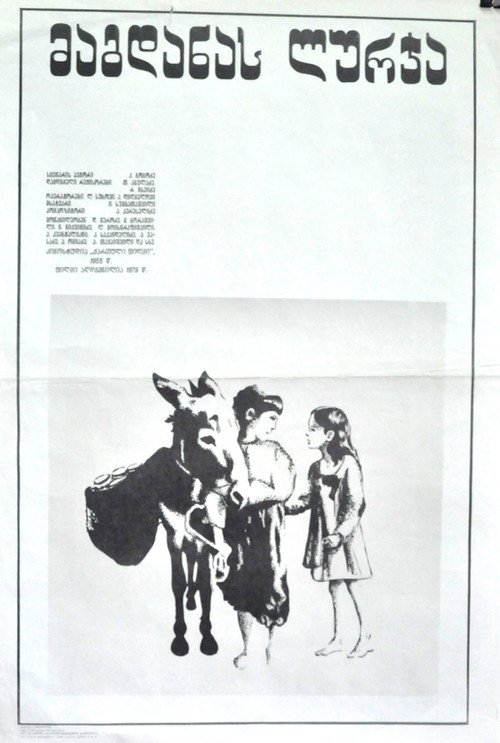
Magdana's Donkey stands out as a humanistic piece of Georgian cinema that prioritizes character-driven storytelling over rigid archetypes. By centering the narrative on a woman who play a significant role in driving the story, the film challenges submissive female roles common in 1950s folk dramas. The film's primary strength lies in its cultural specificity. It provides a vital window into a non-Western social structure and the struggles of the working class, offering a perspective rarely seen in mainstream cinema of that period. However, the film is limited by its narrow demographic focus. It lacks representation for LGBTQ+ identities and disabilities, and the ethnic homogeneity reflects the specific historical and regional setting.
Category Breakdown
The film focuses on a rural peasant family and their bond with an animal. It contains no LGBTQ+ characters or explorations of queer themes.
Magdana serves as a strong central protagonist who challenges traditional hierarchies. Her stubbornness and autonomy defy passive domestic femininity often seen in mid-century folk narratives.
The cast is ethnically homogeneous, centering on a Georgian village. It offers an authentic non-Western perspective that deviates from Anglo-Saxon-centric cinematic norms of the era.
The story highlights the tension between individual identity and systemic economic hardship. It provides a localized counter-narrative to the dominant Western cultural perspectives of the 1950s.
There are no prominent depictions of physical or neurodivergent disabilities. The narrative focus remains strictly on family dynamics and the donkey.
Present on Screen
Limited or Absent
Official Synopsis
This chamber drama is set in Georgia on the turn of the 19th and 20th centuries. A simple peasant family makes its living by selling yogurt which the Magdany widow takes every morning to the town market. Once, in their mother’s absence, the children – six-year-old Mikho and three-year-old Kato – found an abandoned donkey on a road leading to their village. The foundling was fed, tended, and the moment the donkey opened its big, tender eyes, it was named “Lurdja”, which means “blue-eyed”. Surrounded by love and care, the donkey became a big help in the poor household. But this idyll was not to last long…
1996
1978
1982
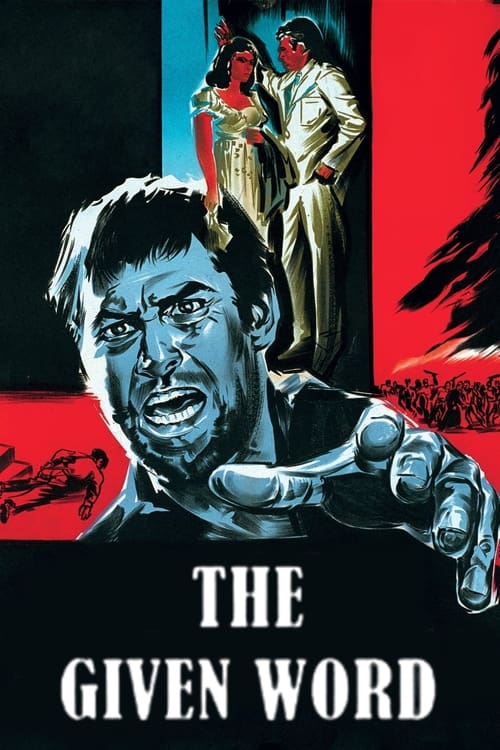
1962
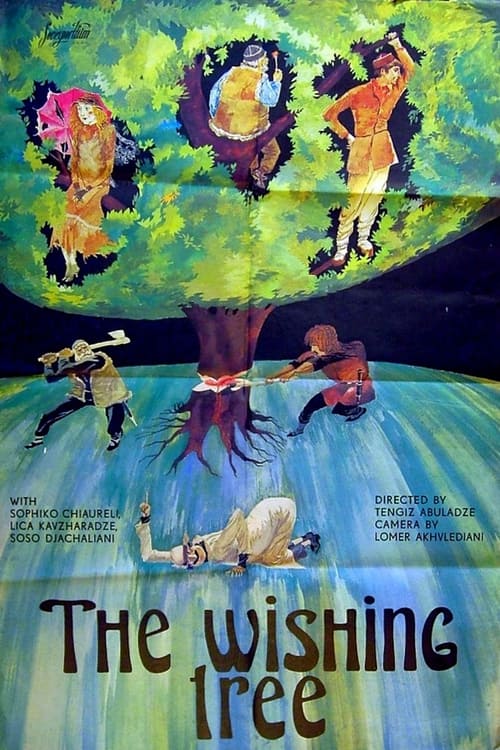
1976
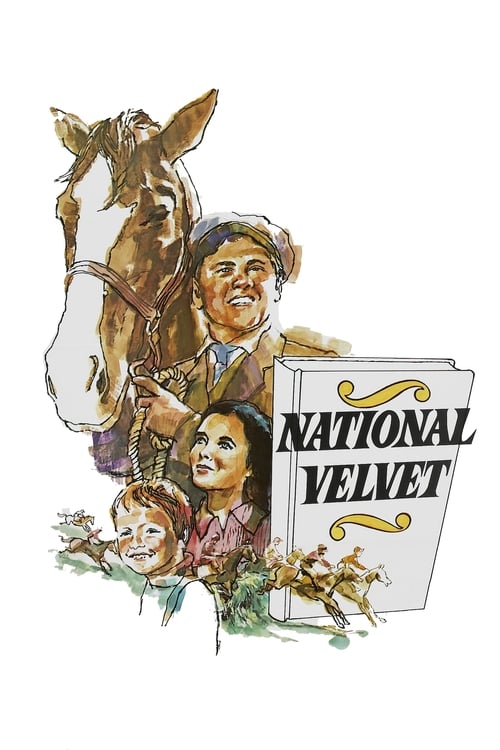
1945

2011
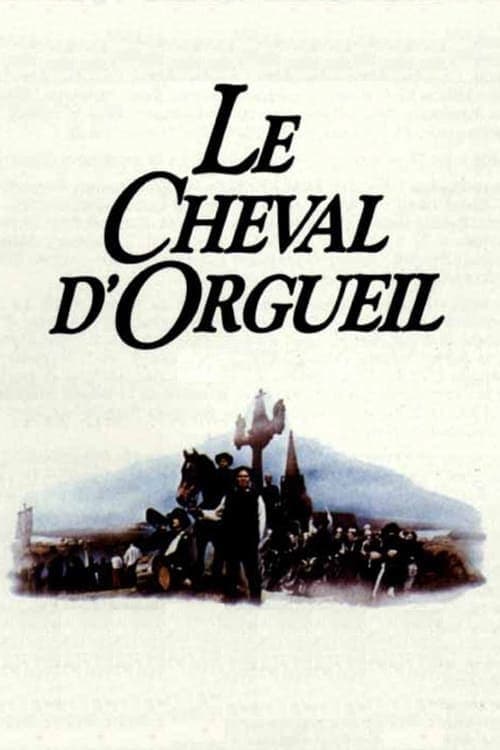
1980
No reviews yet. Be the first to share your thoughts on this movie!
Use the rating form above to leave a star rating and optional review.