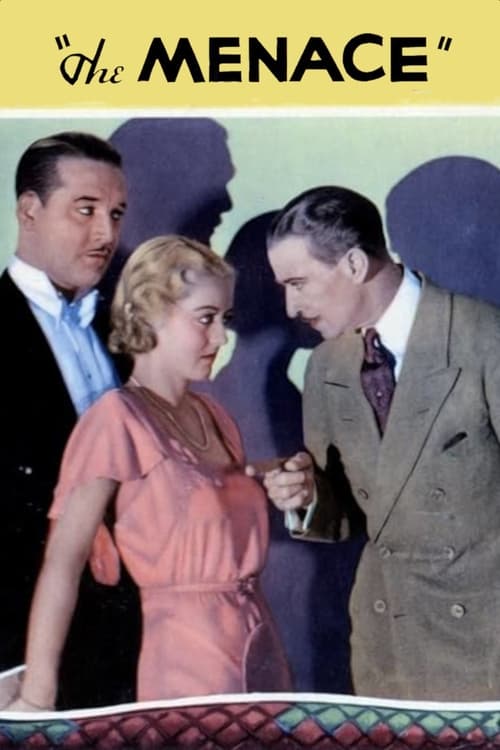
The Menace
1932
No user ratings available yet
Representation score: 1.0 out of 10

Representation Score
Fair
1935
NRDirector
Oscar Micheaux
Runtime
95 minutes
Average Rating
No ratings yetNew Showbiz Analysis
Oscar Micheaux’s direction provides a crucial historical shift in the cinematic landscape. By featuring a Black protagonist in a mystery genre, the film challenges the racial homogeneity of 1930s cinema and emphasizes Black ability to act. The storyline serves as a sophisticated critique of systemic injustice. The plot, which involves a Black man wrongly accused of a crime against a white victim, exposes the vulnerabilities of Black citizens within a corrupt legal system. While the film does not include LGBTQ+ identities or documented disability representation, its intentional focus on reclaiming narrative space for Black audiences stands as its most significant progressive achievement.
Category Breakdown
The film does not include any clear representation of non-binary or LGBTQ+ identities. It adheres to the social norms of the 1930s without any hidden queer themes.
Female characters play key roles in advancing the mystery. They actively participate in the crime drama despite the limitations of the time period.
This groundbreaking film features an all-Black cast that breaks typical genre expectations. It places a Black man at the center of the investigation, reclaiming narrative space in a predominantly white genre.
The story focuses on the experiences of the Harlem community to critique the power structures of the 1930s. It highlights institutional corruption and systemic inequality from the perspective of those sidelined.
There are no specific details available regarding the portrayal of physical or neurodevelopmental disabilities in this work.
Present on Screen
Limited or Absent
Official Synopsis
A Black night watchman at a chemical factory finds the body of a murdered white woman. After reporting it, he finds himself accused of the murder.
1932

1930

1930
1950
1930
1944
1942
1947
No reviews yet. Be the first to share your thoughts on this movie!
Use the rating form above to leave a star rating and optional review.