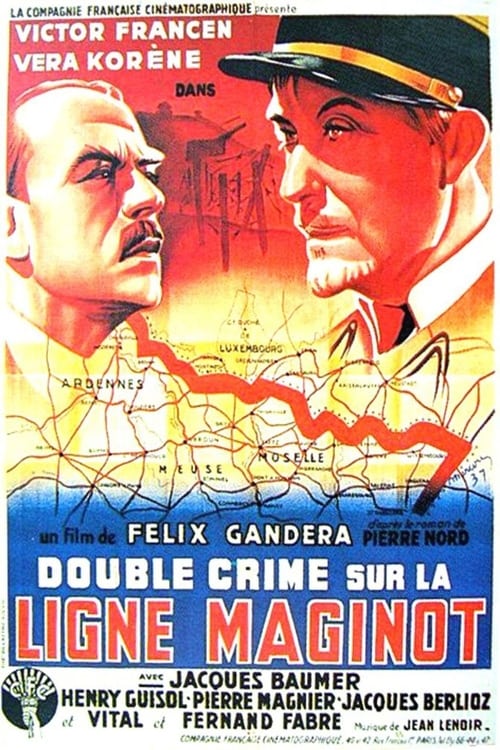
Double Crime in the Maginot Line
1937
No user ratings available yet
Representation score: 0.5 out of 10
Representation Score
Minimal
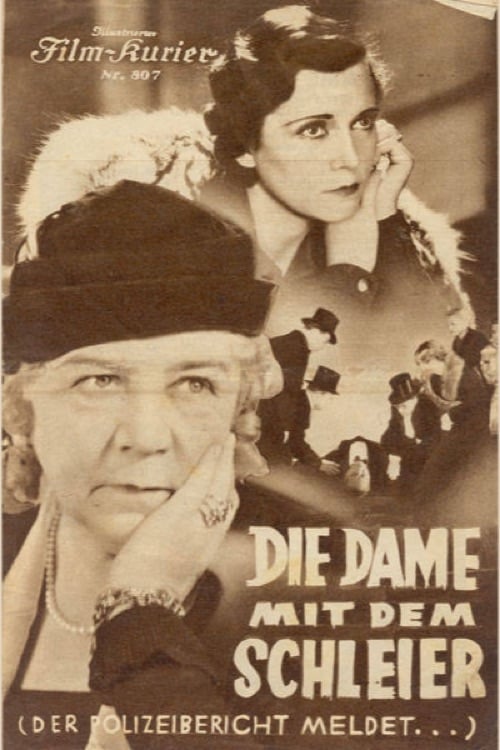
1934
Director
Georg Jacoby
Runtime
85 minutes
Average Rating
No ratings yetNew Showbiz Analysis
Police Report adheres to the standard mystery-romance clichés prevalent in 1934 Germany. While the female lead is central to the plot, her influence is largely tied to her romantic and legal interactions with men. The film upholds existing social and legal hierarchies without challenging them. It lacks multi-layered complexity, reflecting the homogeneous social environment and systemic constraints of the early 1930s German film industry.
Category Breakdown
The film does not include any characters with non-binary gender identities or same-sex relationships. The plot follows a traditional heterosexual storyline centered around a female suspect and a male lawyer.
Gisela Ostercamp plays a significant role in driving the story as the main suspect. However, her character development is heavily influenced by her relationships with men and traditional romantic hierarchies.
The production reflects the homogeneous casting practices typical of 1934 Germany. There is no indication of non-white actors or diverse identity themes within the crime narrative.
The story relies on traditional Western institutions like the police and courts to resolve conflicts. It reinforces social stability rather than challenging institutional norms.
There is no mention of characters with visible or invisible disabilities. No such identities are used as plot devices within the narrative.
Present on Screen
Limited or Absent
Official Synopsis
Director Burckhardt is found shot just after making the moves on Gisela Ostercamp, the wife of a business colleague. When the criminal investigator Haupt inspects items in the apartment of the dead man, he comes to the conclusiong that Gisela herself is the murderess and accusations start flying between the married couple. The murdered man's brother, the lawyer Burckhardt, steps up to act as defense counsel for the woman, with whom he has learned to love in the meantime.
1937

1983
1947

1948
1934

1944
1939
1947
No reviews yet. Be the first to share your thoughts on this movie!
Use the rating form above to leave a star rating and optional review.