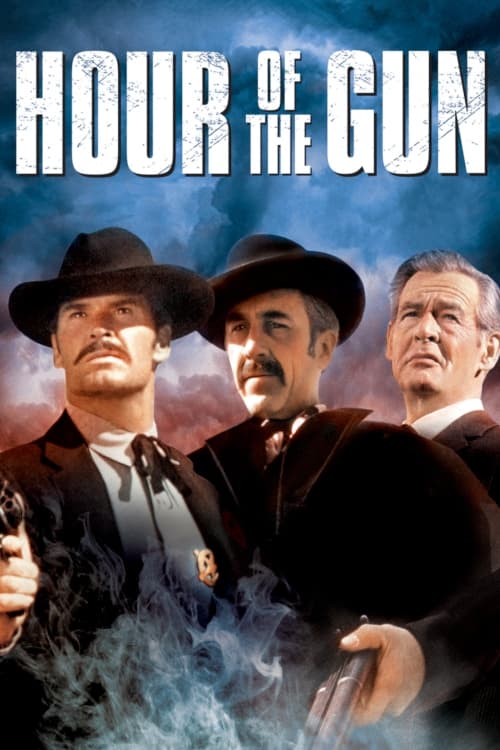
Hour of the Gun
1967
No user ratings available yet
Diversity score: 1.4 out of 10

1968
GDirector
Jerry Thorpe
Runtime
95 minutes
Average Rating
No ratings yetSynopsis
Two men on a desperate search to save a woman only one of them could have!
Overall Score
Limited
Category Breakdown
LGBTQ+ Representation
The film adheres to standard heteronormative structures of the era. The narrative focuses on a binary pursuit involving two men and a woman, with no evidence of non-cisnormative identities.
Gender Representation
The story reinforces conventional tropes of masculine agency and feminine vulnerability. The female character is positioned as a passive object of rescue rather than an active protagonist.
Racial & Ethnic Diversity
The film likely relies on the standard, homogeneous casting typical of 1968 Westerns. There is no mention of diverse casting or roles that deviate from Anglo-Saxon perspectives.
Religious & Cultural Diversity
The narrative emphasizes individualist heroism and traditional notions of chivalry. It lacks any indication of systemic critique or secularist themes, focusing instead on personal stakes.
Disability Representation
There is no evidence regarding the inclusion or portrayal of characters with physical or neurodivergent disabilities within the film's synopsis.
Strengths
Areas for Improvement
AI Analysis
Day of the Evil Gun is a conventional Western that operates strictly within the genre's mid-century framework. The narrative architecture prioritizes traditional masculine agency, centering the plot on two men engaged in a desperate search. Representation is limited by the era's social and cinematic constraints. The film follows established tropes, positioning women as passive figures to be saved and maintaining a homogeneous perspective typical of the period's frontier stories. Ultimately, the film offers little opportunity for intersectional storytelling or the subversion of historical hierarchies, functioning instead as a standard genre piece.
1967
1964
1964
1954
1958
1963
1957
1963
1972
1967
1968

1962
No reviews yet. Be the first to share your thoughts on this movie!
Use the rating form above to leave a star rating and optional review.