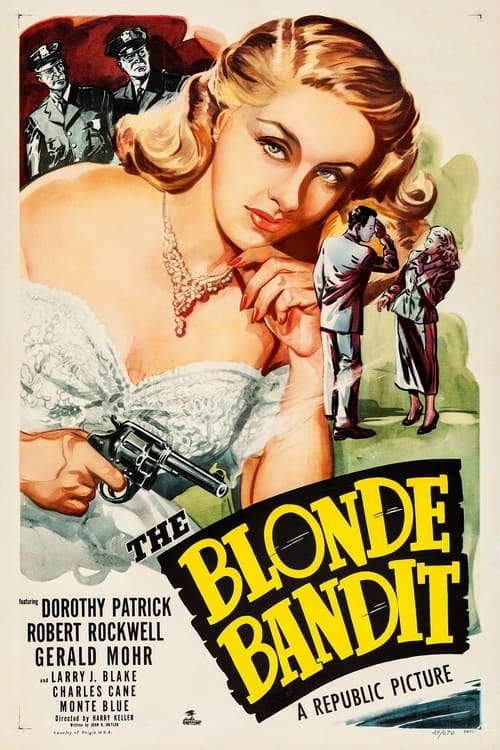
The Blonde Bandit
1949
No user ratings available yet
Representation score: 3.9 out of 10
Representation Score
Limited
1957
ApprovedDirector
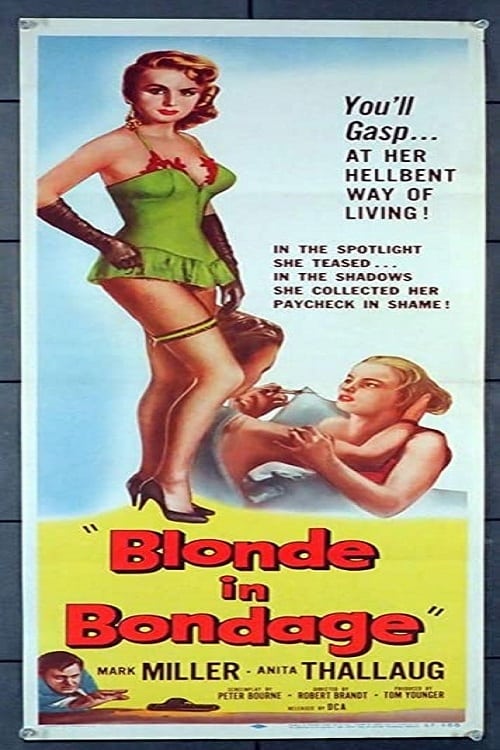
Robert Brandt
Runtime
87 minutes
Average Rating
No ratings yetNew Showbiz Analysis
Blonde in Bondage is a product of its time, sticking closely to the conventions of mid-century crime dramas. The story focuses on personal struggles within a typical noir framework, offering little in the way of systemic critique or identity-focused storytelling. The film reinforces traditional social hierarchies, especially concerning gender roles and moral standards. The female lead's vulnerability serves the plot, while the absence of racial or LGBTQ+ diversity reflects the homogeneity of 1950s European cinema. Ultimately, the film operates as a conventional genre piece that does not aim to disrupt or challenge the established clichés of 1957 cinema.
Category Breakdown
The film does not include any LGBTQ+ characters or stories. The main relationship is between a male reporter and a female dancer.
Anita Thallaug plays a significant role, but her influence is limited by her addiction and involvement in criminal activities. Her storyline depends heavily on the actions of the male protagonist.
The movie reflects the demographic uniformity typical of 1950s European crime dramas. There is no indication of a racially diverse cast.
The film follows a conventional cautionary tale about the criminal underworld. It supports established social and legal structures without questioning them.
Drug addiction is used as a plot device rather than a detailed look at health issues. The film does not explore neurodivergence or chronic illnesses.
Present on Screen
Limited or Absent
Official Synopsis
A reporter (Mark Miller) tries to help a drug-addicted cabaret dancer (Anita Thallaug) who has criminal ties to the Swedish underworld.
1949
1970

1981

1964
1950

1952

1971
1949
No reviews yet. Be the first to share your thoughts on this movie!
Use the rating form above to leave a star rating and optional review.