
Los amantes
1951
No user ratings available yet
Representation score: 1.4 out of 10
Representation Score
Limited
1949
PassedDirector
Harry Keller
Runtime
60 minutes
Average Rating
No ratings yetNew Showbiz Analysis
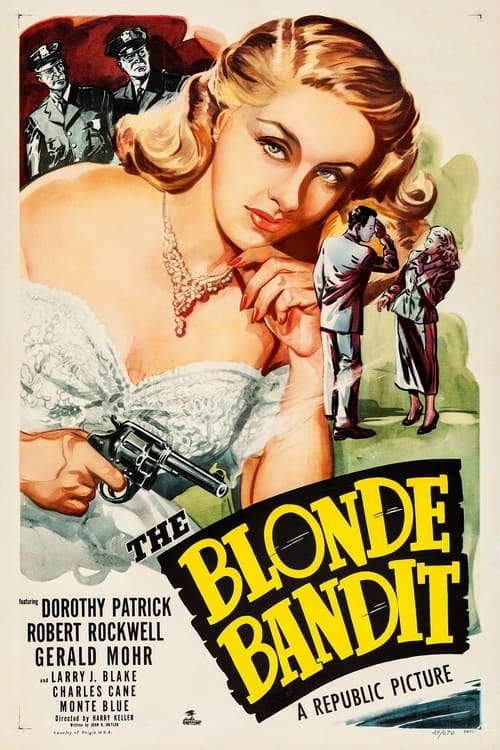
The Blonde Bandit is a typical crime drama that adheres to the cultural and demographic norms of the late 1940s. It lacks the narrative complexity necessary to challenge social hierarchies. The film leans heavily on traditional clichés, especially concerning gender and morality. The protagonist’s journey is shaped by her relationship with a bookie, reinforcing the romantic structures of the time. Overall, the film serves as a formulaic crime drama. It offers limited diverse representation or critical commentary on societal issues.
Category Breakdown
The film does not include any characters with non-straight or non-cisgender identities, nor does it show any same-sex relationships. It follows the traditional heterosexual romantic structures common in 1949 crime dramas.
The story revolves around a bride who is deceived and whose journey is marked by her becoming involved in criminal activities. She gains some control through her involvement in crime but remains tied to romantic relationships.
The cast likely reflects the homogeneous standards of the late 1940s. The narrative mirrors the Anglo-Saxon-centric perspective of the time and lacks diverse casting.
The film adheres to the moral binaries typical of mid-century narratives. It focuses on individual morality rather than critiquing societal systems or questioning the traditional family structure.
There are no characters with physical or neurodivergent disabilities. In this era, such characters were often used as secondary plot devices.
Present on Screen
Limited or Absent
Official Synopsis
A duped bride joins a bookie in love and crime.
1951
1949
1947

1952
1947
1937
1957

1950
No reviews yet. Be the first to share your thoughts on this movie!
Use the rating form above to leave a star rating and optional review.