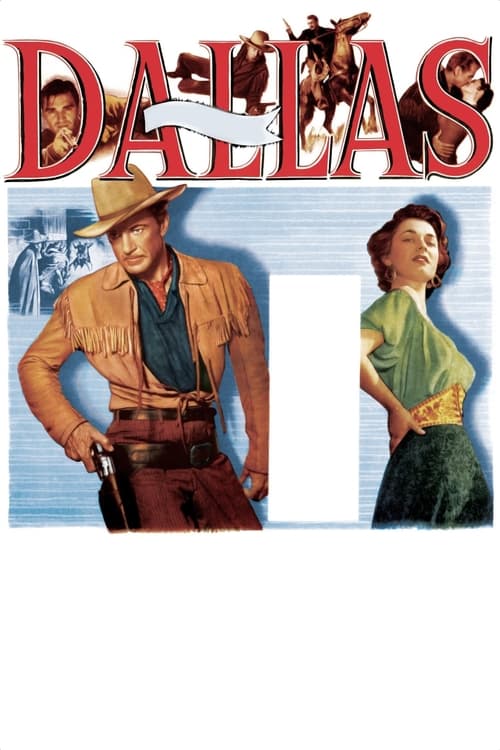
Dallas
1950
No user ratings available yet
Representation score: 2.9 out of 10
Representation Score
Limited
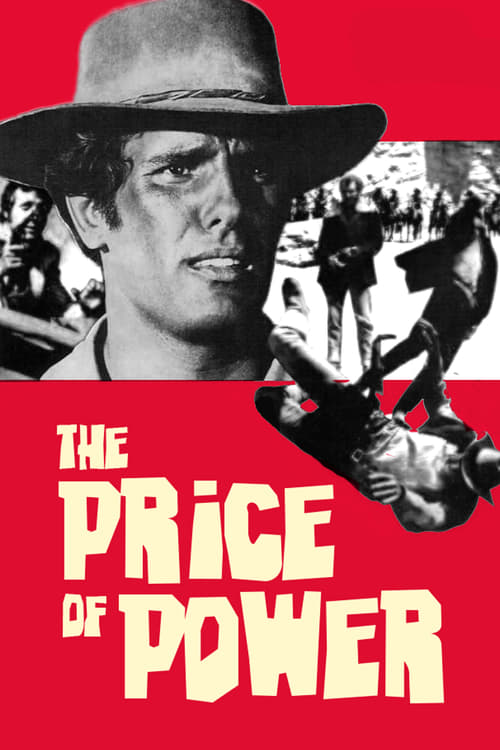
1969
Director
Tonino Valerii
Runtime
112 minutes
Average Rating
No ratings yetNew Showbiz Analysis
The film operates as a typical Spaghetti Western, prioritizing genre clichés over diverse representation. The narrative is driven by historical political conflict and individual survival, which limits its scope for inclusive storytelling. While the setting touches on the racialized history of the post-Civil War era, the focus remains on a specific political conspiracy. This keeps the character dynamics within the conventional boundaries of the period's Western cinema. Ultimately, the work lacks the systemic challenges or diverse character roles necessary to move beyond traditional archetypes of the 1960s.
Category Breakdown
The film does not include any LGBTQ+ characters or narratives that challenge the assumption that everyone is straight or cisgender. It follows traditional social structures common in 1960s genre cinema.
The story revolves around masculine archetypes such as vengeance and combat. It focuses on an ex-Union soldier and a conspiracy involving Southern men, offering little challenge to traditional gender hierarchies.
The plot explores tensions between Union and Southern factions after the Civil War. However, the narrative seems to follow standard Western racial hierarchies without highlighting characters of color with significant roles.
The film emphasizes themes of justice and political corruption within a traditional Western framework. It focuses on historical grievances rather than critiquing Western institutions or promoting secularism.
There is no information regarding the inclusion of characters with physical or neurodivergent disabilities.
Present on Screen
Limited or Absent
Official Synopsis
In 1881 Dallas, an ex-Union soldier attempts to expose a conspiracy of Southerners that killed his father, his friend and President James A. Garfield.
1950
1969
1968
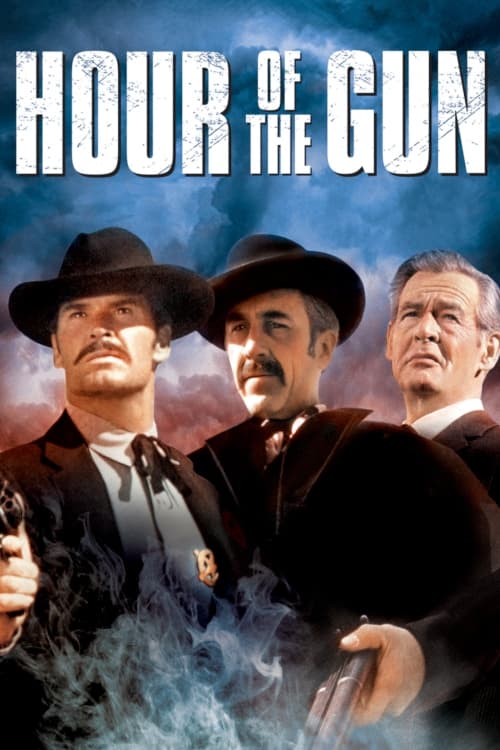
1967
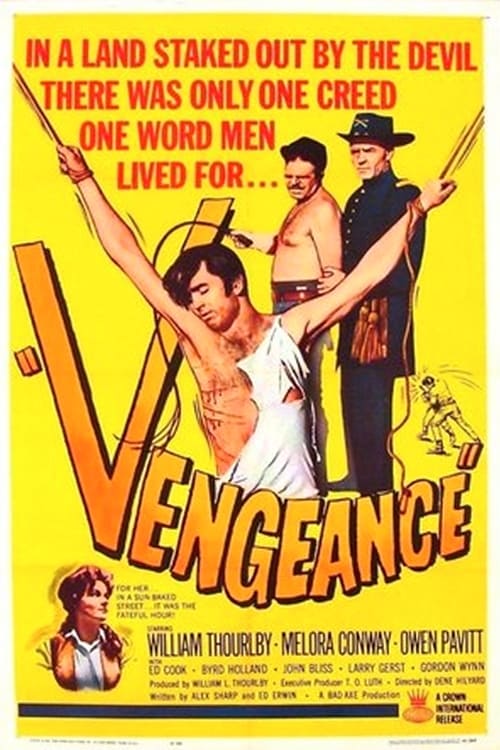
1964
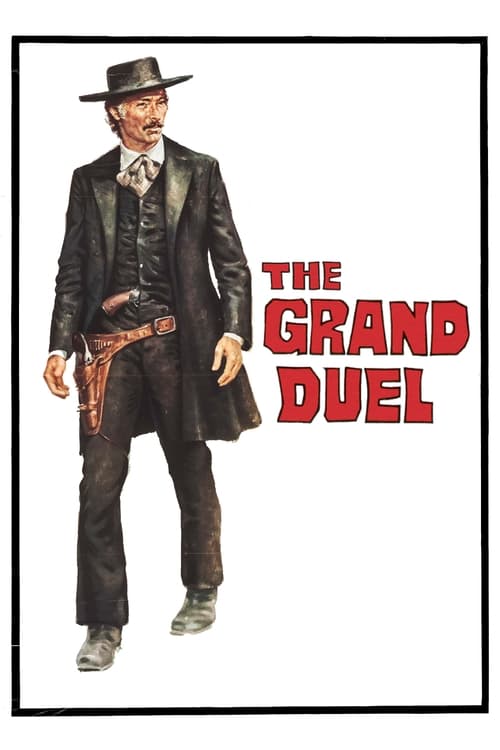
1972
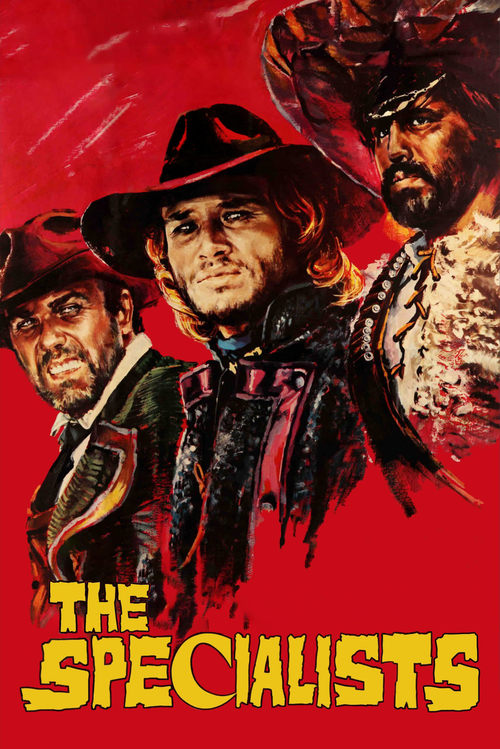
1969
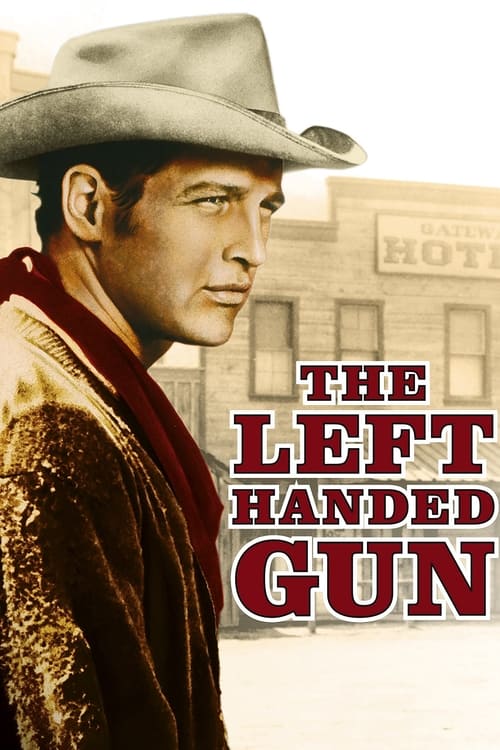
1958
No reviews yet. Be the first to share your thoughts on this movie!
Use the rating form above to leave a star rating and optional review.