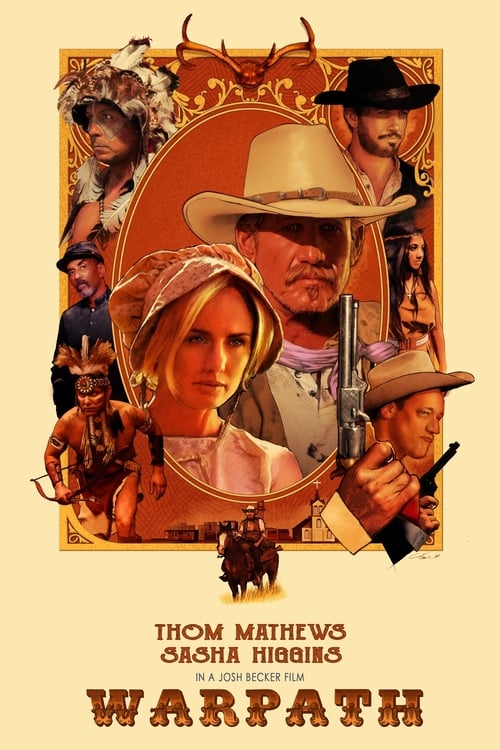
Warpath
2020
No user ratings available yet
Diversity score: 3.4 out of 10
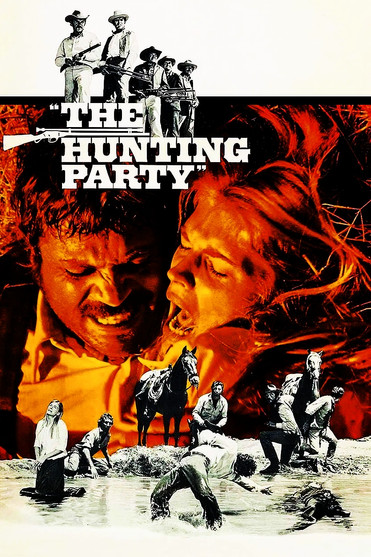
1971
RDirector
Don Medford
Runtime
111 minutes
Average Rating
No ratings yetSynopsis
A ruthless rancher, and his gang, use extremely long range rifles to kill the men who kidnapped his wife.
Overall Score
Limited
Category Breakdown
LGBTQ+ Representation
The film lacks non-heteronormative identities or narratives. The plot centers on a traditional marriage and a kidnapping, reinforcing conventional romantic structures.
Gender Representation
The story focuses on a masculine archetype of a ruthless rancher. The female lead lacks agency, serving primarily as a passive catalyst for male action.
Racial & Ethnic Diversity
The production likely reflects the era's standard depictions of the American frontier. It lacks evidence of a non-Anglo-Saxon majority or subversion of racial hierarchies.
Religious & Cultural Diversity
The narrative celebrates vigilantism and individualistic frontier justice. It reinforces a singular, violent moral framework rather than challenging traditional Western ideals.
Disability Representation
There is no documented evidence regarding the portrayal of physical or neurodivergent disabilities in this film.
Strengths
Areas for Improvement
AI Analysis
The Hunting Party is a traditional Western that relies heavily on established genre tropes. The narrative architecture prioritizes masculine agency and restorative justice, offering very little disruption to conventional social hierarchies. While the film explores psychological tension through character-driven conflict, it remains rooted in the era's standard social frameworks. The focus on a singular, violent moral code limits the scope of its cultural and identity-based storytelling. Ultimately, the film functions as a period-typical genre piece that reinforces traditional gender roles and Western hegemony rather than providing diverse or subversive perspectives.
2020
1976
1994
1970
1973
1956
2016
1968

1968
1968
1974
1965
No reviews yet. Be the first to share your thoughts on this movie!
Use the rating form above to leave a star rating and optional review.