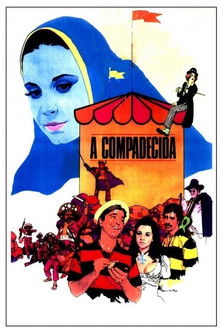
Our Lady of Compassion
1969
No user ratings available yet
Representation score: 4.7 out of 10

Representation Score
Good
1972
Director
José Mojica Marins
Runtime
77 minutes
Average Rating
No ratings yetNew Showbiz Analysis
José Mojica Marins employs social satire to critique societal structures through the eyes of an outsider. The film's strength lies in its deconstruction of institutional authority and the subversion of the 'rational' social order. While the film lacks overt representation regarding gender and LGBTQ+ identity, it excels in thematic complexity, challenging traditional meritocracy and the distinction between sanity and madness. The cast reflects regional Brazilian demographics, though it remains centered on a singular male messianic figure.
Category Breakdown
There are no visible LGBTQ+ characters or narratives addressing non-assuming gender matches what was assigned at birth identities in the film.
The story revolves around a single male protagonist. Female characters play minor roles and lack a significant role in driving the story.
The cast includes actors like Ângelo Assunção, reflecting regional Brazilian demographics. However, the specific ways different identities intersect among the characters are not clearly defined.
The film uses dark humor to criticize religious and political institutions. It portrays institutional authority as inherently flawed or oppressive.
The film presents a nuanced portrayal of neurodivergence. It avoids the cliché of the helpless patient by showing a mental patient influencing global events.
Present on Screen
Limited or Absent
Official Synopsis
Finis Hominis sets out to right wrongs, expose corruption and end the social unrest that he sees in the world.
1969
1955
1968

1967
1980
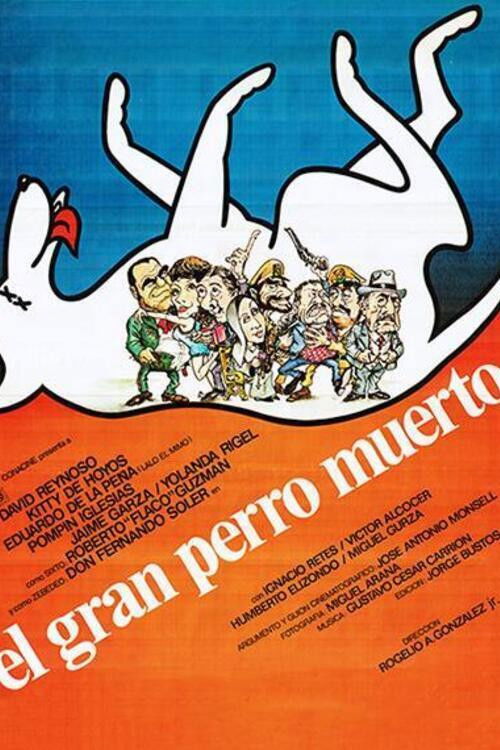
1981

1978

1984
No reviews yet. Be the first to share your thoughts on this movie!
Use the rating form above to leave a star rating and optional review.