
Thanasi tightened your belt even more
1980
No user ratings available yet
Representation score: 1.6 out of 10

Representation Score
Fair
1978
Director
Thodoros Maragos
Runtime
94 minutes
Average Rating
No ratings yetNew Showbiz Analysis
The film functions primarily as a socio-political critique rather than a diverse character study. It excels at deconstructing systemic corruption and the failures of national institutions, providing a sophisticated look at social decay. However, the work remains culturally homogeneous and lacks multi-layered depth. The focus on traditional romantic structures and domestic social stratification limits its representation of varied identities. Ultimately, the film's strength lies in its institutional critique, even as it misses opportunities to represent diverse racial, ethnic, or LGBTQ+ perspectives.
Category Breakdown
The film lacks explicit LGBTQ+ characters or non-straight relationships. The plot centers on a traditional romantic trajectory involving the protagonist and Eleni.
The narrative highlights female intellectual empowerment through Afroditi’s medical studies. While Thanasis fulfills a traditional provider role, female education serves as a key driver for social mobility.
This Greek production operates within a homogeneous cultural context. There is no evidence of a multi-ethnic cast or intentional representation of different racial backgrounds.
The film offers a strong critique of the corrupt establishment and political systems. It prioritizes deconstructing power dynamics over celebrating traditional national or state-centric institutions.
There is no mention of characters navigating physical or neurodivergent disabilities within the narrative.
Present on Screen
Limited or Absent
Official Synopsis
A conscientious tanker driver, Thanasis Papathanasis, works hard to help his sister Afroditi study medicine. He believes that in this way he will be able to marry her off so that then he can finally marry Eleni, whom he has loved for years. His efforts, however, are all in vain, as he is constantly confronted with a corrupt establishment and political situation that generate all the prevailing misfortunes: personal, social and national.
1980

2004

1972

1972

2005

1981
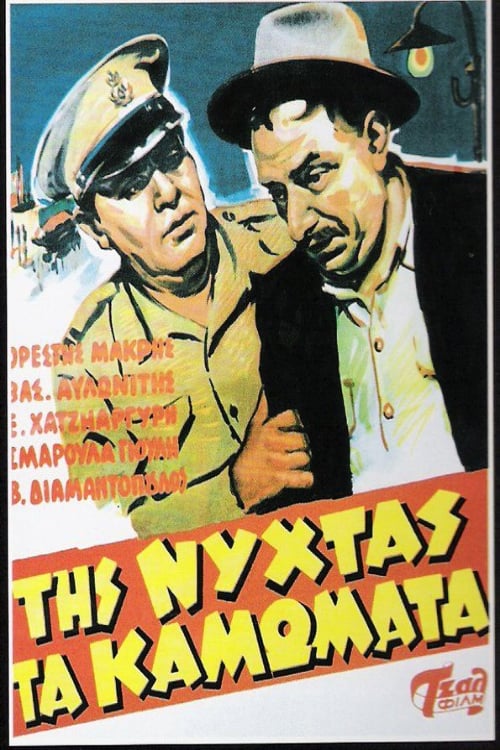
1957

1977
No reviews yet. Be the first to share your thoughts on this movie!
Use the rating form above to leave a star rating and optional review.