
Dreams
1990
No user ratings available yet
Representation score: 7.9 out of 10
Representation Score
Good
2007
Not RatedDirector
Akio Jissoji, Kon Ichikawa, Takashi Shimizu, Atsushi Shimizu, Keisuke Toyoshima, Yoshitaka Amano, Nobuhiro Yamashita, Miwa Nishikawa, Suzuki Matsuo, Yudai Yamaguchi
Runtime
111 minutes
Average Rating
No ratings yetNew Showbiz Analysis
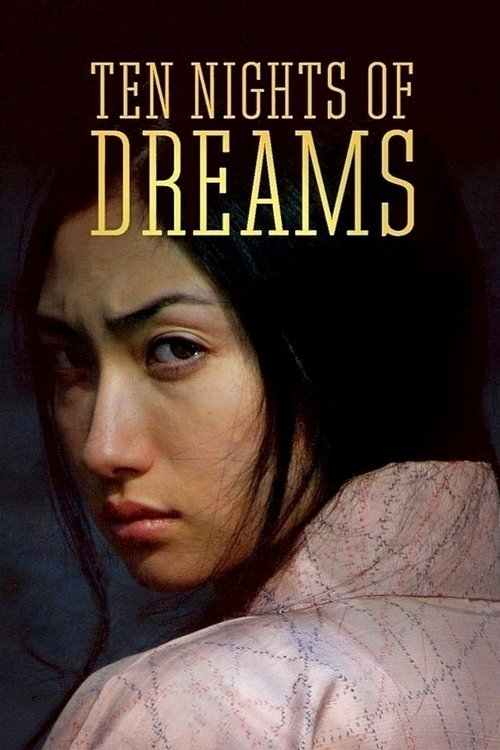
Ten Nights of Dreams is an avant-garde anthology that prioritizes aesthetic and psychological exploration over social representation. Its surrealist approach bypasses the social identifiers typically used to measure diversity. The film succeeds in disrupting conventional narrative expectations through postmodernism. However, it lacks the explicit, identity-driven ability to act required for a higher progressive rating. Ultimately, the work functions as a study of the subconscious rather than a commentary on social structures.
Category Breakdown
The film focuses on subconscious imagery and dream logic rather than explicit character identities. While the non-linear structure allows for fluid presentations of desire, there are no specific LGBTQ+ narratives.
The surrealist framework challenges traditional gender roles by emphasizing dream-state symbolism over standard character arcs. However, the film lacks clear evidence of specific character's ability to drive the story or systemic subversion.
As a Japanese production based on Natsume Soseki's work, the cast and settings are predominantly Japanese. The focus on the universal subconscious makes racial identity secondary to psychological experience.
The narrative deconstructs objective reality by embracing spiritual and dream-state ambiguity. It rejects traditional Western narrative structures in favor of subjective morality and non-linear epistemology.
Themes of mental instability and sensory distortion serve as metaphors for the human condition. While not depicting specific disabilities, the film offers a nuanced engagement with the fractured psyche.
Present on Screen
Limited or Absent
Official Synopsis
Based on renowned Japanese writer Natsume Soseki's same-titled short story collection, Ten Nights of Dreams brings ten fantastical dream sequences to film with great visual and psychological panache. Representing the combined efforts of eleven directors, this outstanding anthology delves into the surreal subconscious with ten madly imaginative, reality-subverting visions that range from wonderfully wacky to nightmarishly unsettling.
1990
1973
1981
1966
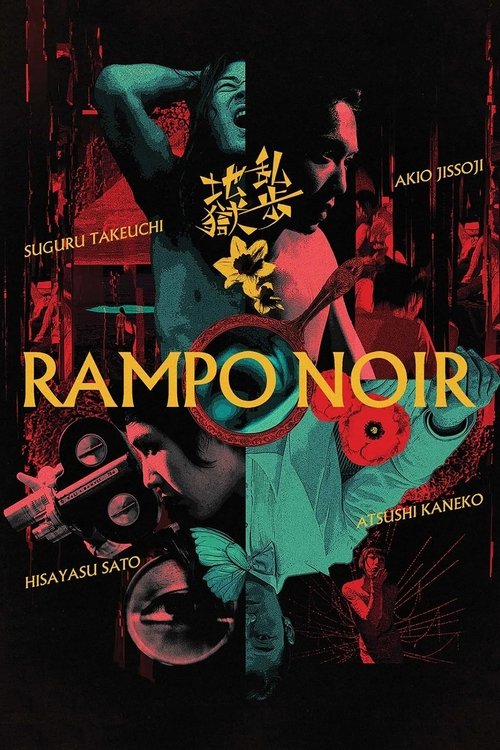
2005
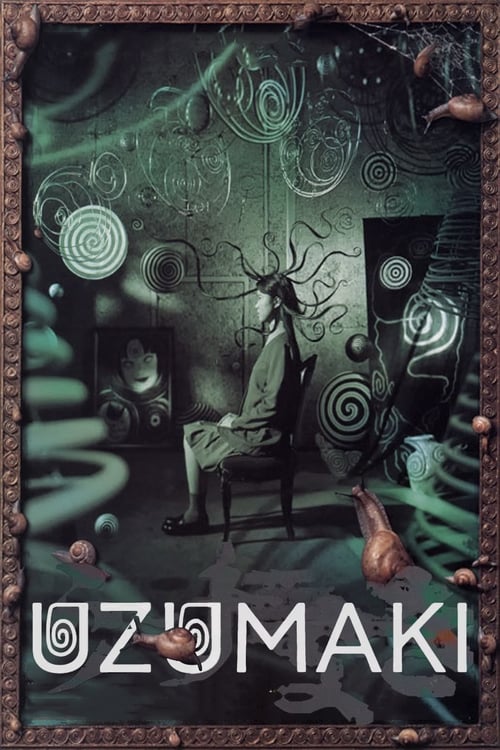
2000

1984

2019
No reviews yet. Be the first to share your thoughts on this movie!
Use the rating form above to leave a star rating and optional review.