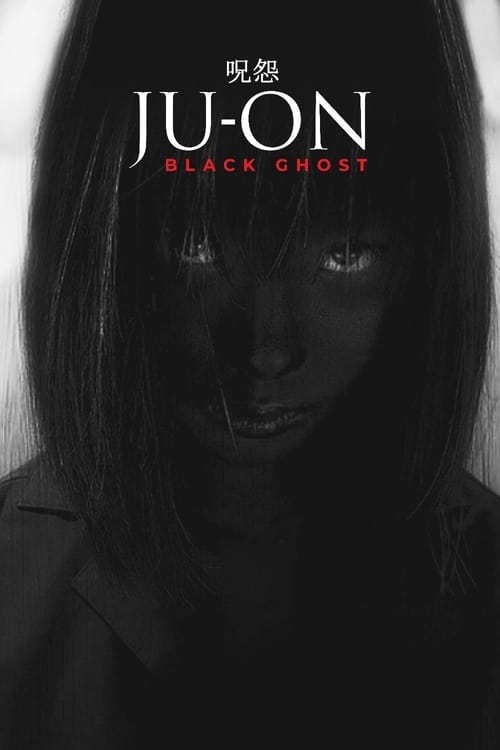
Ju-On: Black Ghost
2009
No user ratings available yet
Representation score: 4.0 out of 10

Representation Score
Minimal
1984
Director
Takashi Ito
Runtime
6 minutes
Average Rating
No ratings yetNew Showbiz Analysis
Takashi Ito’s Ghost is an avant-garde exploration of sensory experience rather than a character-driven narrative. By prioritizing atmospheric abstraction and the essence of haunted spaces, the film lacks the human ability to act necessary for traditional identity markers. This work functions as a formalist study of light and sound. Its focus on pure atmosphere inherently limits the capacity for social discourse or the representation of multiple aspects of identity. Ultimately, the film's score reflects its genre. As an experimental short, it avoids social hierarchies by avoiding the narrative complexity needed to engage with diverse human experiences.
Category Breakdown
The film focuses on otherworldly movement and abstracted time rather than interpersonal dynamics. It does not include non-straight or non-cisgender identities or same-sex intimacy.
Due to undefined characters, there is no traditional gender hierarchy. The film remains neutral by omission, neither reinforcing nor challenging gendered stereotypes.
Based in Japanese experimental traditions, the film avoids a homogeneous Western norm. However, long-exposure techniques hide specific ethnic markers and diverse character arcs.
The non-Western aesthetic disrupts typical Hollywood narratives. It offers a subjective, non-secular exploration of existence through eerie spaces and ominous atmospheres.
The film does not show characters dealing with physical or sensory disabilities. While the sensory-heavy approach affects the viewer, it lacks character-driven disability representation.
Present on Screen
Limited or Absent
Official Synopsis
Haunting light and haunted spaces, otherworldly movement and abstracted time. A ghost visits an apartment complex.
2009
1973
2000
1977
2009

1999

2005

1970
No reviews yet. Be the first to share your thoughts on this movie!
Use the rating form above to leave a star rating and optional review.