Zoo
2005
No user ratings available yet
Representation score: 7.4 out of 10
Representation Score
Good
2005
Not RatedDirector
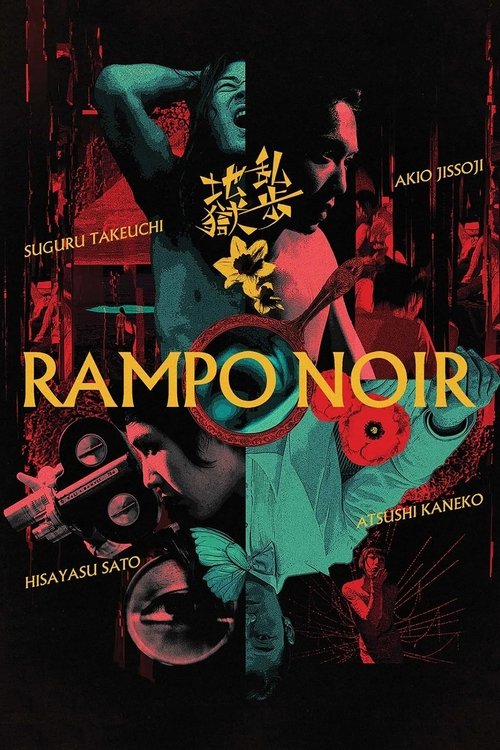
Hisayasu Satō, Akio Jissoji, Suguru Takeuchi, Atsushi Kaneko
Runtime
134 minutes
Average Rating
No ratings yetNew Showbiz Analysis
Rampo Noir is a complex anthology that prioritizes the subversion of psychological and social norms over demographic breadth. It challenges traditional hierarchies of desire and morality through a postmodern lens. The film's strength lies in its exploration of non-traditional gender dynamics and transgressive sexualities, providing a sophisticated departure from mainstream storytelling patterns. However, the work lacks significant racial or ethnic diversity and operates within a specific, localized cultural framework.
Category Breakdown
The anthology delves into non-straight relationships and unconventional desires, moving beyond traditional romance to explore voyeurism and fetishism. These elements challenge typical expectations of intimacy.
Gender roles are portrayed through psychological instability rather than stable domestic scenarios. The film challenges traditional masculine and feminine stereotypes, focusing on themes of obsession and power imbalances.
The cast and setting are predominantly homogeneous, reflecting its Japanese literary roots. The film prioritizes Japanese psychological landscapes. It does not actively seek to diversify the demographic landscape.
The narrative deconstructs social norms by centering on the macabre and grotesque, challenging Western-aligned moral standards. The film favors subjective, situational morality over institutional or religious ideals.
The film focuses on psychological and neurodivergent conditions such as mania and obsession. It lacks representation of visible physical disabilities. Mental instability is often framed through horror and thriller clichés.
Present on Screen
Limited or Absent
Official Synopsis
An anthology film consisting of four segments based on literary works by Edogawa Ranpo.
2005

1960

2005
1965
2004

2008
2006
2022
No reviews yet. Be the first to share your thoughts on this movie!
Use the rating form above to leave a star rating and optional review.