Death Water
2006
No user ratings available yet
Representation score: 6.5 out of 10
Representation Score
Limited
2000
Director
Higuchinsky
Runtime
90 minutes
Average Rating
No ratings yetNew Showbiz Analysis
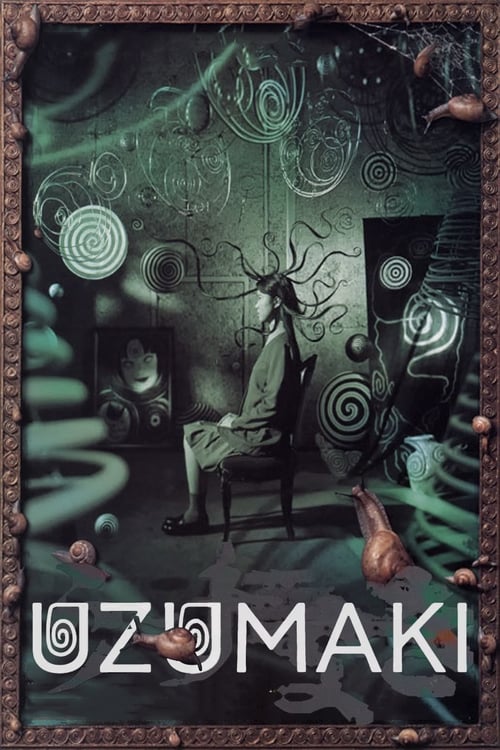
Uzumaki is a work that prioritizes atmospheric cosmic horror over social or identity-based narratives. Its narrative architecture is centered around a supernatural phenomenon, which inherently precludes the exploration of multi-layered identities. The production maintains a traditional, homogeneous setting that aligns with its genre constraints. While the film excels in establishing a cohesive, culturally specific atmosphere, it offers limited engagement with progressive representation or the subversion of social hierarchies.
Category Breakdown
The story focuses on a traditional heterosexual relationship between Junji and Kirie. There are no non-straight or non-binary identities represented, nor are there any narratives that challenge the assumption that everyone is straight or cisgender.
Kirie plays a significant role in driving the story within the context of a horror film. However, the film does not challenge traditional gender roles or hierarchies.
The film is set in an isolated Japanese town with a highly homogeneous cast. It does not include diverse ethnic perspectives or racial blending.
The narrative centers on the breakdown of social order through supernatural inevitability. It avoids critiquing Western institutions like religion or capitalism, focusing instead on elemental horror.
Grotesque physical transformations are used to create psychological distress rather than representing lived experiences of disability. The film emphasizes surreal metamorphosis over nuanced depictions of neurodivergence or chronic illness.
Present on Screen
Limited or Absent
Official Synopsis
The inhabitants of a small Japanese town become increasingly obsessed with and tormented by spirals.
2006
2000
2009

2005
2005
1990
2006

2004
No reviews yet. Be the first to share your thoughts on this movie!
Use the rating form above to leave a star rating and optional review.