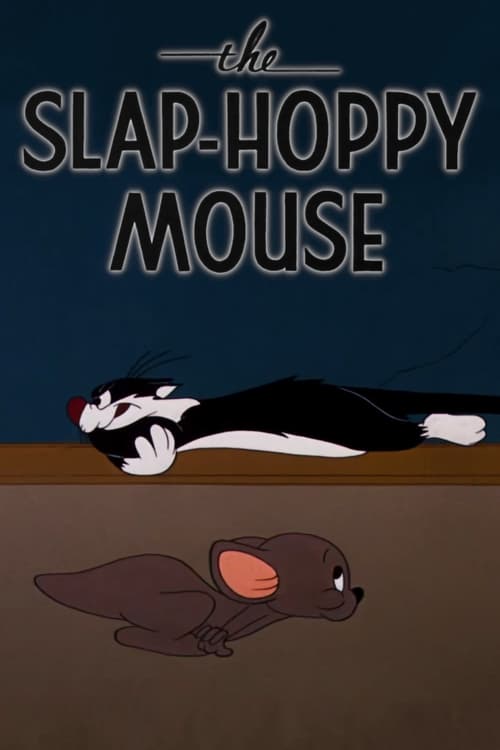
The Slap-Hoppy Mouse
1956
No user ratings available yet
Representation score: 0.3 out of 10
Representation Score
Minimal
1963
ApprovedDirector
Robert McKimson
Runtime
6 minutes
Average Rating
No ratings yetNew Showbiz Analysis
Claws in the Lease is a character-driven comedy that prioritizes slapstick and familial sentimentality. The narrative centers on the bond between Sylvester Cat and his son, Junior, as they struggle to maintain a home. Since the characters are anthropomorphic animals, the film lacks direct racial, ethnic, or LGBTQ+ representation. The conflict is driven by domestic obstacles rather than any systemic or social critique. Ultimately, the film reinforces standard domestic archetypes. It functions as a traditional comedic short that adheres to conventional structures rather than exploring the complexities of diverse identities.
Category Breakdown
The story focuses exclusively on a traditional paternal bond. There is no presence of non-binary or LGBTQ+ identities, and it does not critique assumptions about gender and sexuality.
A female character acts as a comedic obstacle by controlling the domestic space. This role relies on traditional mid-century animation clichés rather than challenging gender hierarchies.
The cast consists of anthropomorphic felines, which precludes direct racial or ethnic representation. The narrative lacks any use of species as metaphors for ethnic diversity.
The plot emphasizes the importance of the nuclear family and domestic stability. It prioritizes the preservation of the father-son relationship through traditional values.
There is no indication of characters possessing visible or invisible disabilities. No such traits are utilized as narrative devices within the short.
Present on Screen
Limited or Absent
Official Synopsis
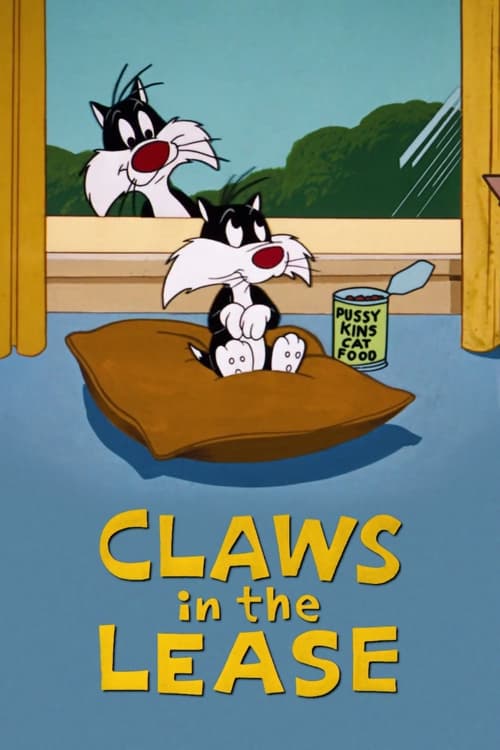
Sylvester Cat and his son, Junior, live in a dump, and Junior decides to find them a home. He does, but the fat lady who lives there only wants to adopt Junior and separates the kitten from his father. So, Sylvester makes a number of attempts to gain access to her house.
1956
1950
1956
1959
1953
1957
1952
1948
No reviews yet. Be the first to share your thoughts on this movie!
Use the rating form above to leave a star rating and optional review.