
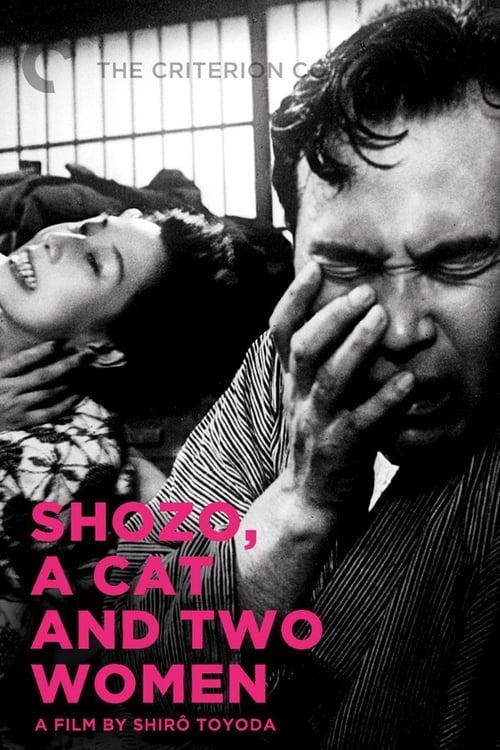
Cats Don't Come When You Call
2016
No user ratings available yet
Representation score: 3.5 out of 10
Representation Score
Limited
1956
Director
Shirō Toyoda
Runtime
135 minutes
Average Rating
No ratings yetNew Showbiz Analysis
Shirō Toyoda’s film serves as a character study of mid-century Japanese domestic life. It avoids presenting an idealized family structure, focusing instead on the interpersonal dysfunction and dissatisfaction inherent in the protagonist's relationships. While the film provides a nuanced look at humanistic complexity, it adheres to the social and gender hierarchies of its time. It does not center underrepresented identities or disrupt systemic structures. The film's strength lies in its exploration of individual desires versus societal expectations during a period of significant cultural change.
Category Breakdown
The film focuses on a traditional relationship structure where everyone is assumed to be straight and cisgender. There are no representations of same-sex relationships or non-cisgender identities.
The story explores domestic conflict through two distinct female perspectives. However, the women's roles are primarily defined by their relationships to the male protagonist.
The cast is culturally uniform, reflecting the demographics of 1956 Japan. There are no non-Japanese characters or instances of whitewashing.
The film captures a society undergoing change in the post-war era. It subtly critiques social conformity through the protagonist's unconventional lifestyle.
There is no indication of the portrayal of physical or neurodivergent disabilities in this work.
Present on Screen
Limited or Absent
Official Synopsis
Shozo is plagued by the needs of his ex-wife and his current one, but prefers the company of his cat.
2016

1958

2004

1968

1961

2012
1959

2006
No reviews yet. Be the first to share your thoughts on this movie!
Use the rating form above to leave a star rating and optional review.