David Lynch: The Art Life
2017
No user ratings available yet
Representation score: 5.5 out of 10
Representation Score
Good
1995
RDirector
Terry Zwigoff
Runtime
121 minutes
Average Rating
No ratings yetNew Showbiz Analysis
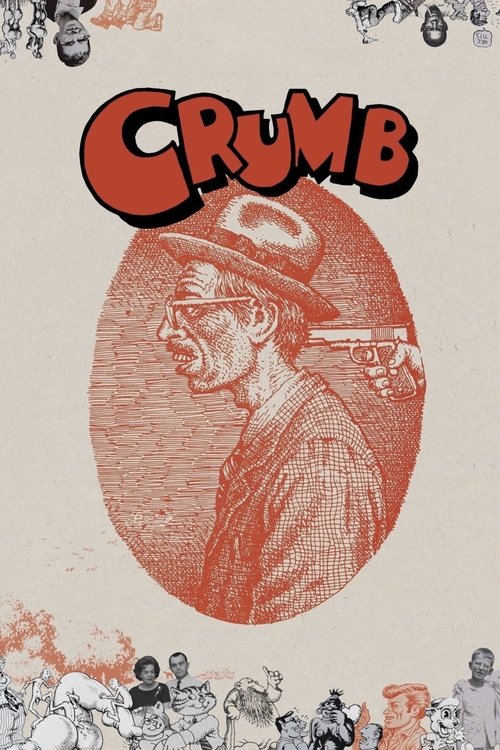
Crumb is a deep exploration of neurosis that successfully delves into psychological complexity and cultural critique. It effectively dismantles traditional American family structures and social norms through a lens of moral relativism. However, the film's impact is constrained by its narrow focus on a specific white countercultural scene. Controversial and hyper-sexualized imagery related to gender limits its broader appeal. Ultimately, the documentary provides a complex, uncomfortable look at a singular mind, balancing cultural subversion against a lack of multi-layered diversity.
Category Breakdown
The film does not center on LGBTQ+ identities. Queer themes are presented as part of the 1960s counterculture rather than as intentional narratives.
The documentary examines controversial, hyper-sexualized portrayals of women through Crumb's art. However, interviews with the women in his life offer important counter-perspectives and ability to act.
The narrative focuses mainly on a white, underground art scene. It lacks significant diversity in racial and ethnic perspectives.
The film excels at deconstructing traditional Western values and the nuclear family. It critiques American consumerism and portrays psychological non-conformity as a complex human issue.
The documentary offers a nuanced portrayal of neurodivergence and mental health. It treats Crumb's obsessive tendencies as central to his identity rather than as mere plot devices.
Present on Screen
Limited or Absent
Official Synopsis
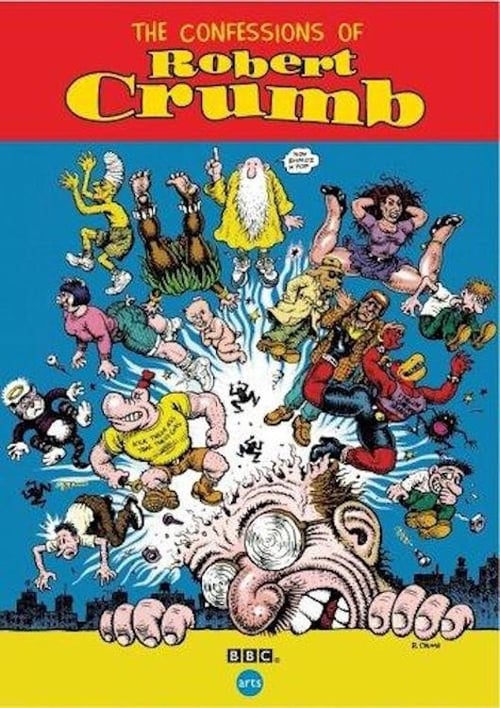
This movie chronicles the life and times of R. Crumb. Robert Crumb is the cartoonist/artist who drew Keep On Truckin', Fritz the Cat, and played a major pioneering role in the genesis of underground comix. Through interviews with his mother, two brothers, wife, ex-wife and ex-girlfriends, as well as selections from his vast quantity of graphic art, we are treated to a darkly comic ride through one man's subconscious mind.
2017

2008

2010
2006
2015
2011
1987
2014
No reviews yet. Be the first to share your thoughts on this movie!
Use the rating form above to leave a star rating and optional review.