The Black Stallion
1979
No user ratings available yet
Representation score: 1.1 out of 10
Representation Score
Limited
1994
GDirector
Caroline Thompson
Runtime
88 minutes
Average Rating
No ratings yetNew Showbiz Analysis
Black Beauty (1994) is a traditional period drama that prioritizes historical accuracy over modern diversity. It explores themes of empathy and class within the context of 19th-century social hierarchies. The film offers a subtle critique of the dehumanizing aspects of early industrial capitalism. However, it does not use contemporary frameworks to challenge traditional views on gender, race, or identity. Ultimately, the narrative structure adheres to a classical storytelling method that reflects the demographic norms of the time.
Category Breakdown
The film focuses strictly on the social realities of 19th-century England and does not include any queer identities or non-straight relationships in the character arcs.
The narrative reinforces Victorian gender roles, placing men in positions of authority and women primarily in domestic or caregiving roles.
Set in Victorian England, the film reflects a homogeneous society with a predominantly white, Anglo-Saxon cast and setting.
The story critiques industrialization and the commodification of living beings but maintains a moral framework rooted in traditional Victorian ethics.
The film lacks central characters with visible or invisible disabilities. While the horse experiences physical suffering, this does not address human neurodivergence or disability.
Present on Screen
Limited or Absent
Official Synopsis
The fates of horses, and the people who own and command them, are revealed as Black Beauty narrates the circle of his life.
1979
2020
1978
1966
1971
1943
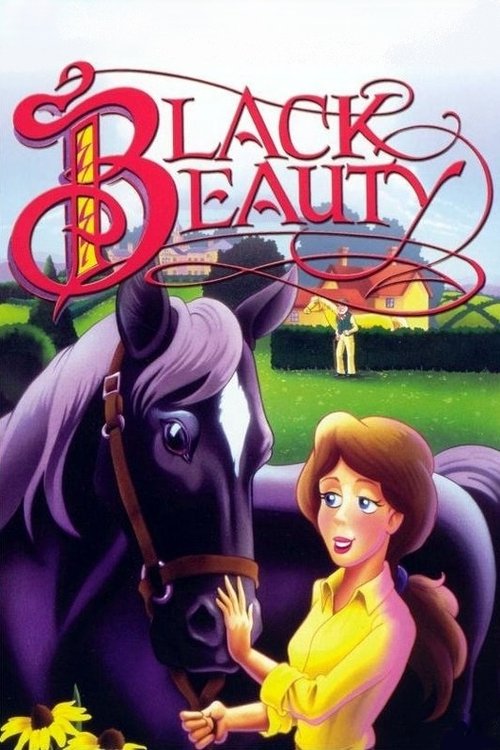
1995

2005
No reviews yet. Be the first to share your thoughts on this movie!
Use the rating form above to leave a star rating and optional review.