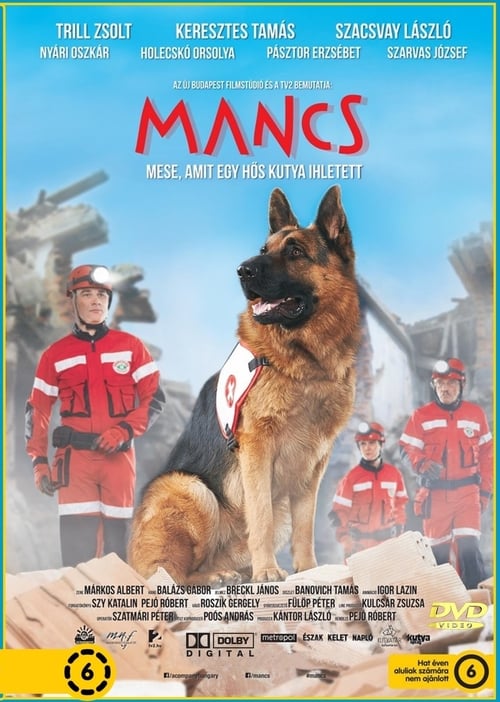
Mancs
2015
No user ratings available yet
Representation score: 1.8 out of 10
Representation Score
Fair
2022
NRDirector
Jerzy Skolimowski
Runtime
88 minutes
Average Rating
No ratings yetNew Showbiz Analysis
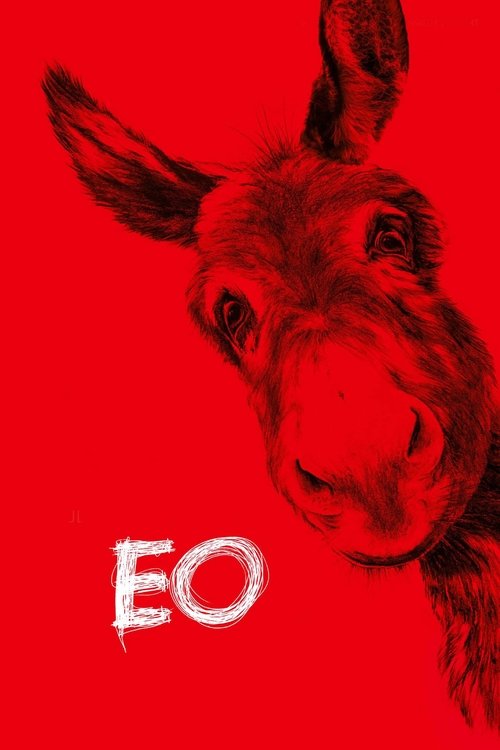
EO is a sensory journey that dismantles traditional human-centric narratives. By focusing on a donkey, the film sidesteps conventional social hierarchies to critique systemic exploitation and the arbitrary nature of human authority. The film’s strength lies in its ability to challenge the status quo through a non-human lens. It avoids typical moral hierarchies, presenting a fragmented, multicultural landscape that highlights the vulnerability of living beings. While EO lacks traditional demographic representation, it excels as a sophisticated piece of cinematic deconstruction. It prioritizes the critique of power and the deconstruction of institutional dominance over standard character-driven arcs.
Category Breakdown
The film does not include any identifiable LGBTQ+ characters or narratives. Instead, it focuses solely on the donkey's sensory experiences and interactions with human figures.
Gender dynamics are not emphasized due to the animal's perspective. Human actors are treated as functional elements rather than being used to promote or challenge specific gender roles.
The film showcases various European landscapes and socioeconomic classes. However, traditional measures of racial representation are diminished by the non-human viewpoint.
The film provides a strong critique of institutions and commercialized worlds. It portrays human authority as arbitrary and highlights the disconnect between laws and biological realities.
The donkey's physical limitations serve as a metaphor for vulnerability and ability to act. It explores the suffering of sentient creatures in a world designed primarily for human utility.
Present on Screen
Limited or Absent
Official Synopsis
The world is a mysterious place when seen through the eyes of an animal. EO, a grey donkey with melancholic eyes, meets good and bad people on his life’s path, experiences joy and pain, endures the wheel of fortune randomly turn his luck into disaster and his despair into unexpected bliss. But not even for a moment does he lose his innocence.
2015
1966
1979
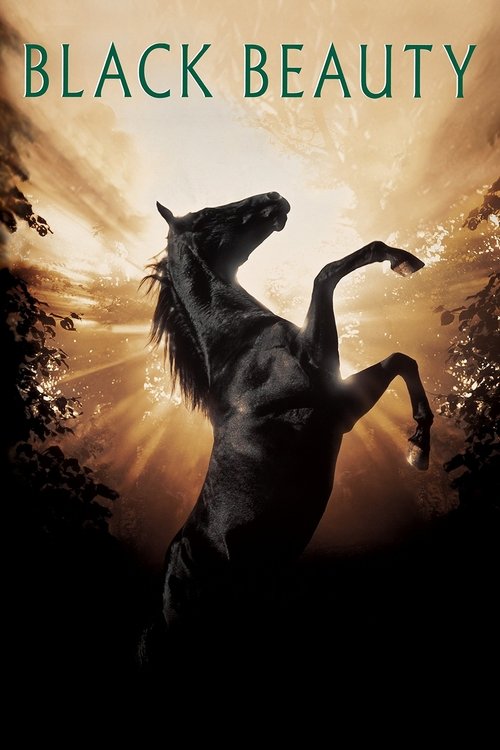
1994
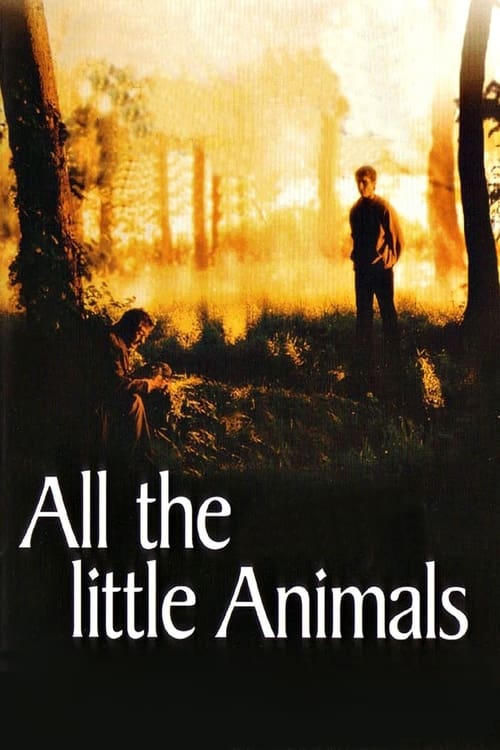
1999
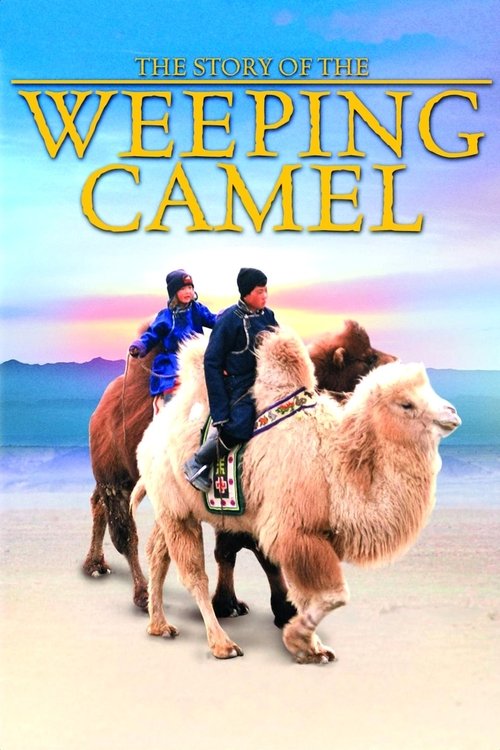
2004
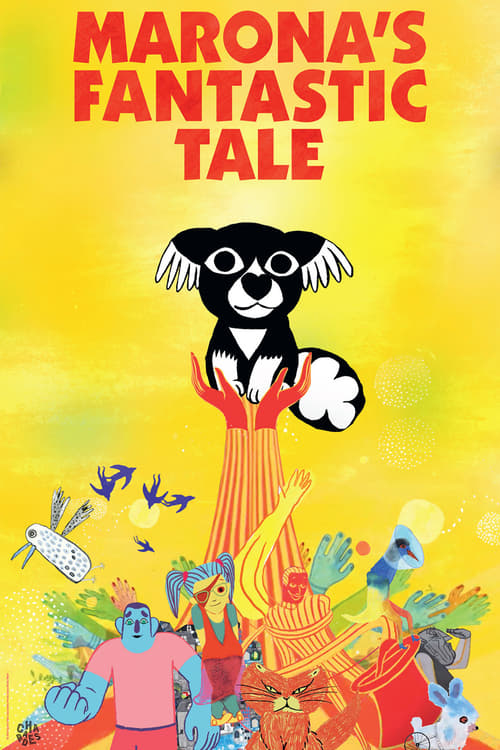
2020
2020
No reviews yet. Be the first to share your thoughts on this movie!
Use the rating form above to leave a star rating and optional review.