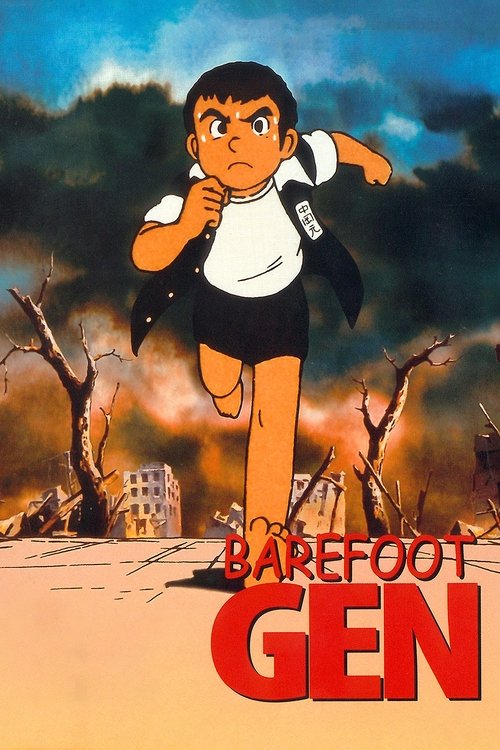
Barefoot Gen
1983
No user ratings available yet
Representation score: 6.5 out of 10
Representation Score
Good
1986
TV-PGDirector
Toshio Hirata
Runtime
85 minutes
Average Rating
No ratings yetNew Showbiz Analysis
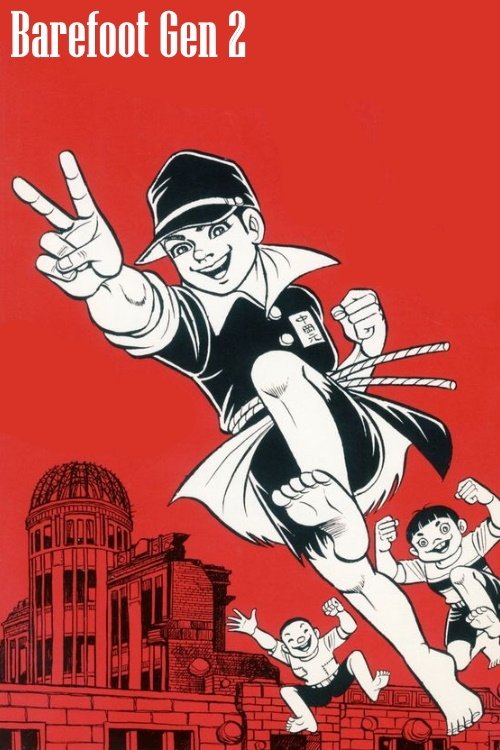
Barefoot Gen 2 is a visceral work of historical realism that centers the perspective of those affected by systemic issues. It avoids traditional war clichés by focusing on the human cost of geopolitical conflicts and the failures of institutional power. The film excels in its empathetic portrayal of physical disabilities and its critique of global superpowers. It addresses the trauma of radiation sickness with profound seriousness, allowing characters to have significant influence despite their health struggles. However, the film lacks modern identity-based representation, particularly concerning LGBTQ+ themes, and focuses solely on the immediate survival of the family unit within a specific historical context.
Category Breakdown
The film focuses on the survival of a family and orphans in post-war Japan. There are no visible representations of LGBTQ+ identities or queer themes.
The film highlights the collapse of traditional social structures. Women and children frequently take on significant roles and engage in physical labor to ensure survival.
The film maintains authenticity by featuring a Japanese cast that reflects its historical setting. It centers on the experiences of atomic bomb survivors.
The narrative criticizes Western military intervention and the destruction caused by nuclear weapons. It emphasizes community resilience over state-centric or patriotic ideals.
The film presents an unflinching look at disabilities resulting from radiation sickness. It focuses on the physical and psychological trauma of survivors without using them merely as plot devices.
Present on Screen
Limited or Absent
Official Synopsis
Three years after the Hiroshima bombing, a teenager helps a group of orphans to survive and find their new life.
1983

2016
1988

1989
1991

2025

2016
2023
No reviews yet. Be the first to share your thoughts on this movie!
Use the rating form above to leave a star rating and optional review.