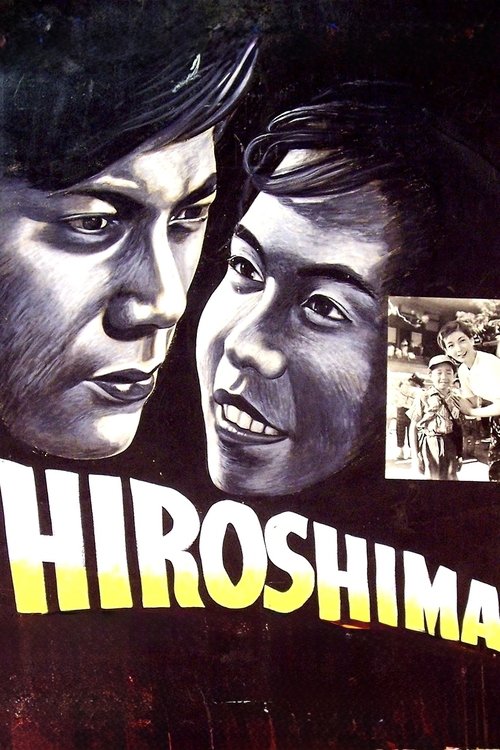
Hiroshima
1953
No user ratings available yet
Representation score: 6.8 out of 10

Representation Score
Good
1990
PG-13Director
Peter Werner
Runtime
100 minutes
Average Rating
No ratings yetNew Showbiz Analysis
Hiroshima: Out of the Ashes shifts the focus from the aggressors to the victims, challenging the typical victor narrative found in Western war films. The film excels in its unflinching portrayal of the physical and psychological disabilities caused by radiation, avoiding any romanticization of trauma. Instead, it delves into the long-term medical and social struggles faced by the survivors. While the film provides authentic representation of the Japanese experience and challenges Western-centric war clichés, it lacks modern social representation, particularly in terms of LGBTQ+ identities and contemporary social structures.
Category Breakdown
There are no LGBTQ+ characters or narratives exploring non-straight relationships in the film.
Women play crucial roles as caregivers and emotional anchors during the crisis. The film highlights their importance as traditional male leadership breaks down, maintaining social order.
The film centers the Japanese experience, focusing on the survivors of Hiroshima. By using Japanese actors, it offers authentic representation and challenges the typical Western-centric war narratives.
The movie critiques Western military dominance by emphasizing the civilian suffering caused by the bombings. It prioritizes a humanitarian perspective over triumphalist or patriotic wartime stories.
Radiation-induced illnesses and physical trauma are shown with gritty realism. These disabilities are central to the characters' identities and are not used merely as aesthetic elements.
Present on Screen
Limited or Absent
Official Synopsis
The movie follows the perspective of several characters (such as Japanese victims, soldiers, American prisoners of war and others) and how they lived or tried to survive the effects felt during the aftermath of the Atomic Bomb dropping by the Enola Gay at Hiroshima, during World War II.
1953

1989
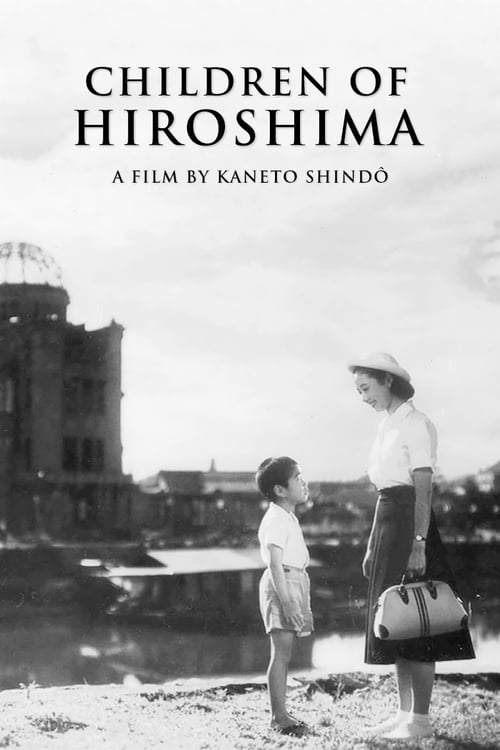
1952
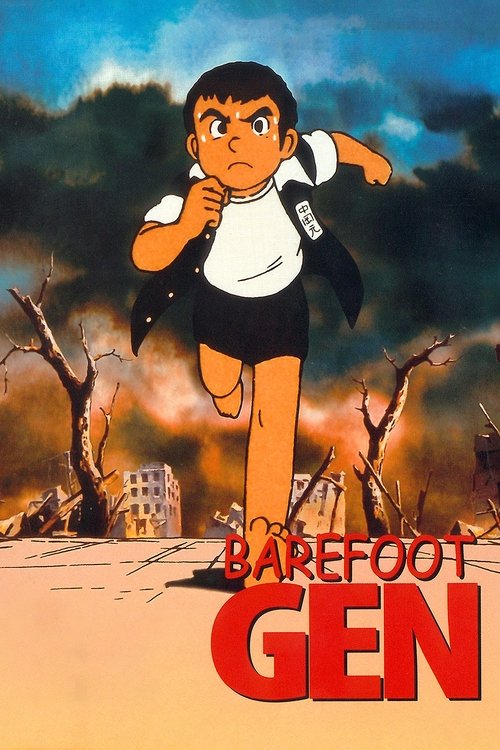
1983
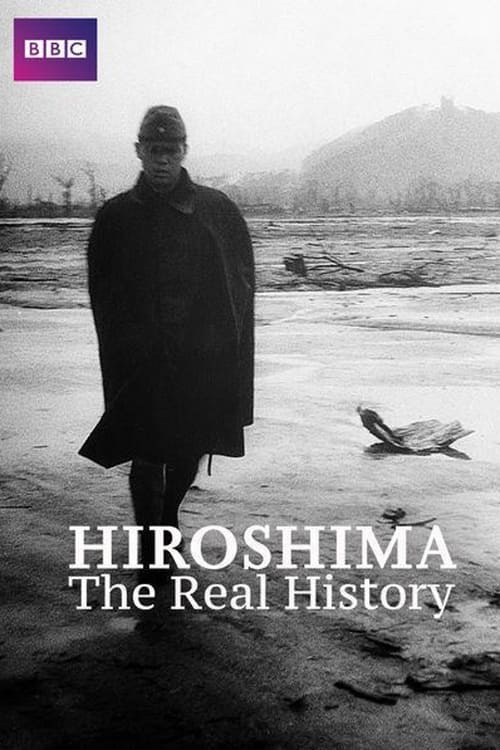
2015
1983
2007
1984
No reviews yet. Be the first to share your thoughts on this movie!
Use the rating form above to leave a star rating and optional review.