
Basuras humanas
1972
No user ratings available yet
Diversity score: 3.8 out of 10
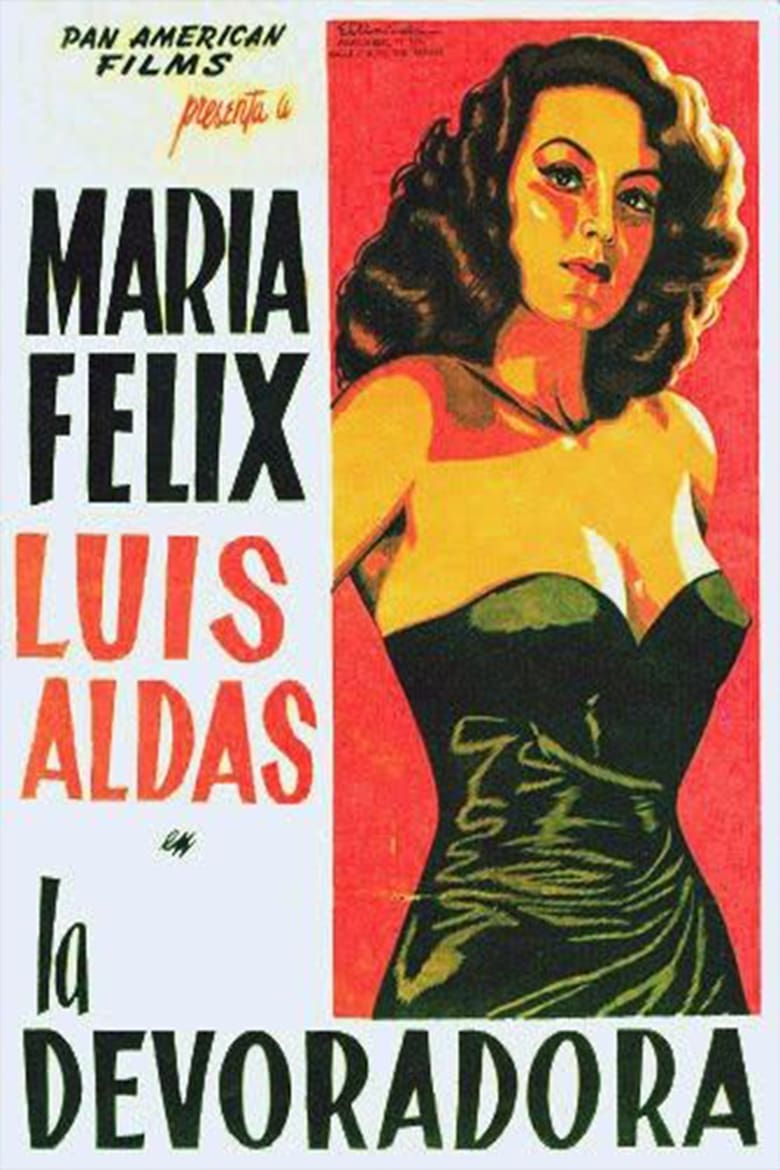
1946
Director
Fernando de Fuentes
Runtime
117 minutes
Average Rating
No ratings yetSynopsis
A Mexican film noir revolving around a crime: the suicide of one of Diana (María Félix)'s lovers and the disposal of his body in order to avoid a scandal. Diana not only engineers the entire scheme, but drafts her two other suitors: her fiance Adolfo (Julio Villareal) and his nephew Miguel (Luis Aldas).
Overall Score
Fair
Category Breakdown
LGBTQ+ Representation
The film focuses on a romantic tragedy involving a lover and a fiancé. There is no evidence of queer narratives or non-cisnormative identities present.
Gender Representation
Diana serves as a central protagonist who drives the plot through a complex scheme. However, her agency is expressed through traditional melodramatic tropes of emotional manipulation.
Racial & Ethnic Diversity
The film centers on a Mexican cast and cultural context. While it avoids Hollywood-centric hegemony, it lacks evidence of intersectional complexity or diverse identity blending.
Religious & Cultural Diversity
The narrative explores themes of suicide and deception. It likely operates within the established social and religious frameworks of mid-century Mexico rather than critiquing them.
Disability Representation
The film provides no information regarding the depiction of physical, sensory, or neurodivergent characters.
Strengths
Areas for Improvement
AI Analysis
La Devoradora is a traditional mid-century melodrama that centers on a personal romantic tragedy. While the female lead, Diana, acts as the primary catalyst for the plot, her actions remain within the bounds of conventional genre tropes. The film is culturally specific to the Golden Age of Mexican cinema, offering a non-Anglo-Saxon perspective. However, the narrative appears to follow established social norms rather than attempting to subvert them or explore intersectional identities. Ultimately, the film prioritizes individual emotional stakes over a systemic deconstruction of social hierarchies, resulting in a work that is narratively conventional for its era.
1972
1955
1951

1943

1950

1947

1946

1937

1935

1965

1953

1970
No reviews yet. Be the first to share your thoughts on this movie!
Use the rating form above to leave a star rating and optional review.