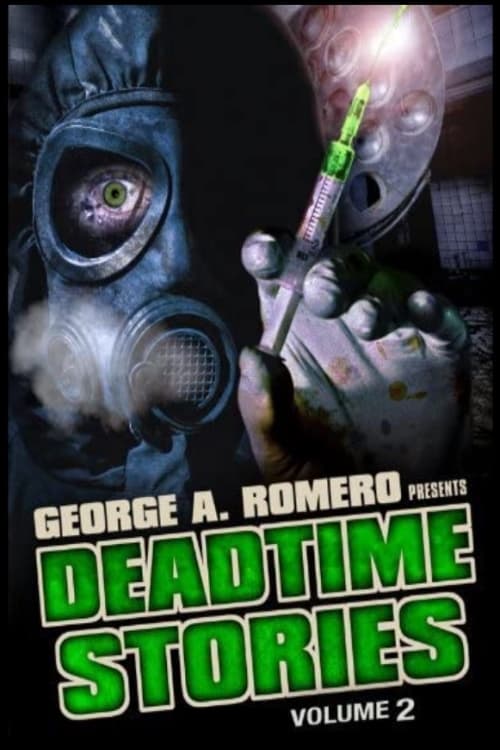
Deadtime Stories 2
2011
No user ratings available yet
Representation score: 3.9 out of 10
Representation Score
Fair
1989
Director
Constantino Magnatta
Runtime
97 minutes
Average Rating
No ratings yetNew Showbiz Analysis
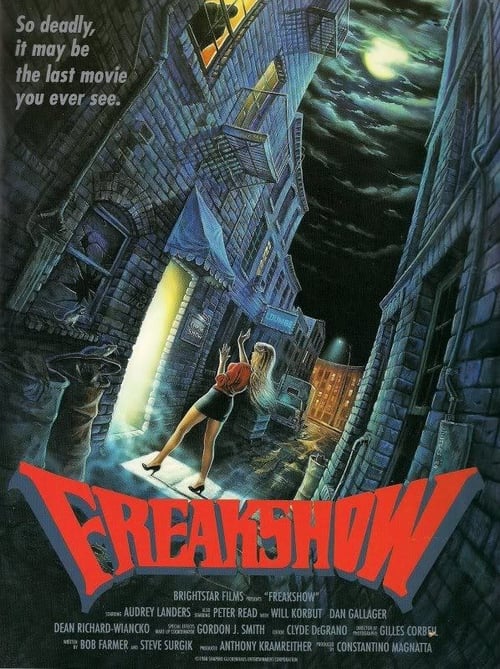
Freakshow operates as a traditional horror anthology that prioritizes visceral suspense and psychological shock over social commentary. The narrative structure relies on established genre clichés, such as the 'manipulative' female lead and the tragic figure of the addict, which often serve archetypal purposes rather than progressive ones. While the film includes characters facing extreme physical or psychological circumstances, these elements appear designed for horror impact rather than providing ability to act to underrepresented groups. The lack of visible multi-layered identities or systemic critiques keeps the film within the bounds of conventional genre storytelling.
Category Breakdown
The film does not include any characters with non-straight or non-cisgender identities, nor does it explore same-sex relationships. The character dynamics follow traditional social roles without addressing queer themes.
A female reporter drives the framing device, but she is portrayed through traditional stereotypes of manipulative behavior. There is no indication of challenging gender hierarchies.
The narrative does not provide information about racial or ethnic diversity. The settings suggest a homogeneous environment without intentional racial blending.
The anthology explores addiction and mortality through Western genre conventions. It focuses on individual tragedy without critiquing systemic issues.
A paralyzed overdose victim is featured, but the portrayal may use disability as a tool for body horror and suspense. There is no representation of neurodivergent individuals.
Present on Screen
Limited or Absent
Official Synopsis
After being ditched by her cameraman because of her manipulative behavior at a murder scene, a reporter wanders through town looking for a phone she can use. She finds a small museum, where the proprietor invites her in to have a look around before leaving. In one room, she encounters a strange jar which causes her to have strange visions, visions that are supposedly drawn from her own mind. These 'visions' make up the rest of this four- part anthology, which includes horror and suspense stories about a junkie chasing a dog for his runaway fix, a pizza delivery boy who gets a Halloween surprise, a living but paralyzed OD victim forced to undergo her own autopsy because everyone thinks she's dead, and a deal between a golf course owner and a gravedigger that has some unexpected consequences.
2011

1963
2011
1987
2004
1965

1987
1973
No reviews yet. Be the first to share your thoughts on this movie!
Use the rating form above to leave a star rating and optional review.