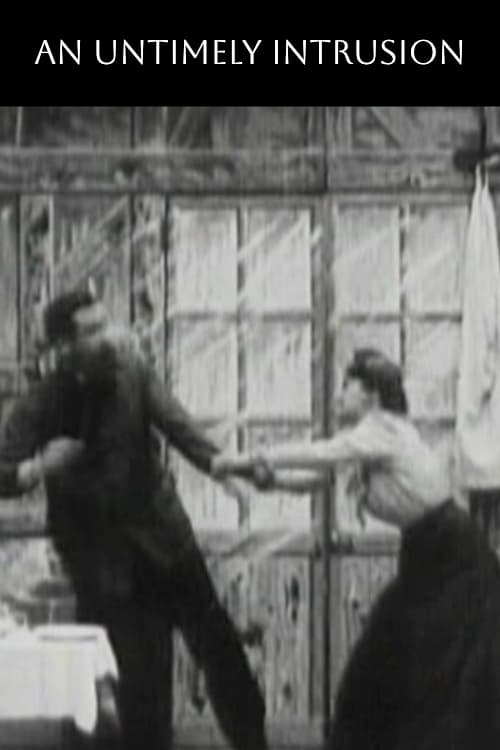
An Untimely Intrusion
1902
No user ratings available yet
Representation score: 2.7 out of 10

Representation Score
Limited
1913
Director
Alice Guy-Blaché
Runtime
13 minutes
Average Rating
No ratings yetNew Showbiz Analysis
Alice Guy-Blaché’s direction provides a pioneering female perspective and uses the domestic comedy genre to explore interpersonal dynamics and the fragility of social institutions. However, the film is limited by its 1913 context, lacking racial and ethnic diversity and LGBTQ+ representation. Ultimately, it offers a subtle departure from the harmonious family structures typical of early cinema.
Category Breakdown
The film follows traditional early 20th-century domestic structures and does not include any same-sex relationships or non-straight identities.
The premise of a couple living apart due to suspicion highlights complex marital power dynamics and disrupts traditional domestic stability.
The film likely reflects the homogeneous casting norms of 1913. There is no evidence of non-Anglo-Saxon representation or multi-layered visibility in this silent era production.
The story portrays a divided household, offering a localized critique of domestic stability rather than a broad systemic one.
There is no evidence in the historical records or synopsis to suggest the inclusion of characters with visible or invisible disabilities.
Present on Screen
Limited or Absent
Official Synopsis
A married couple, suspecting one another of infidelity, decide to "live separately together."
1902
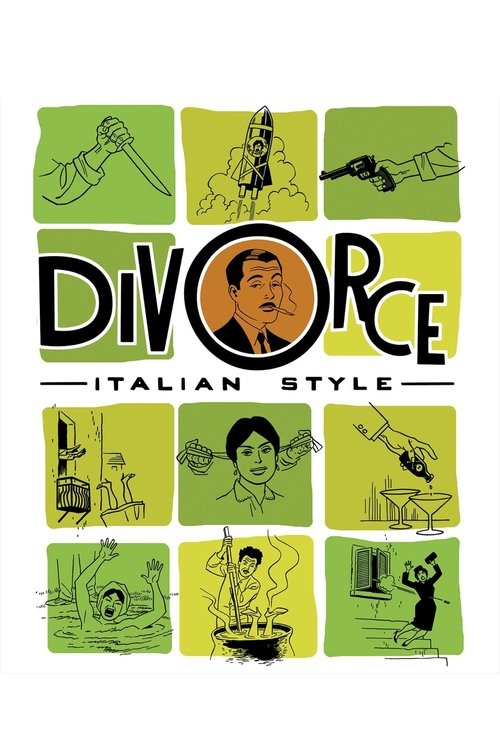
1961

1913
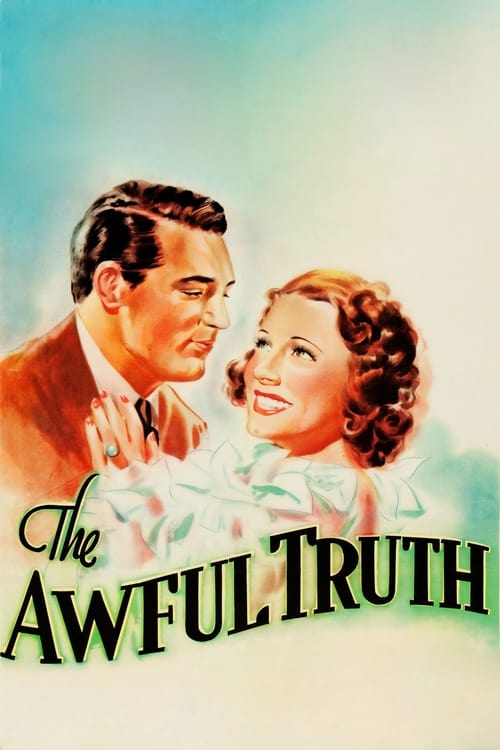
1937
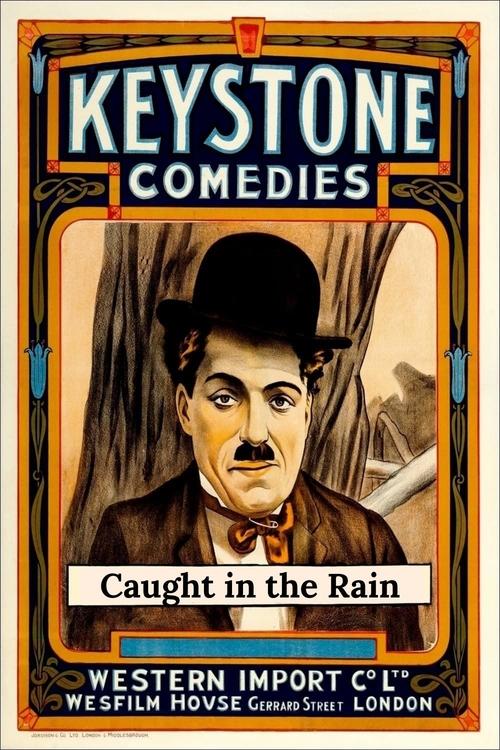
1914
1939
1925
1928
No reviews yet. Be the first to share your thoughts on this movie!
Use the rating form above to leave a star rating and optional review.