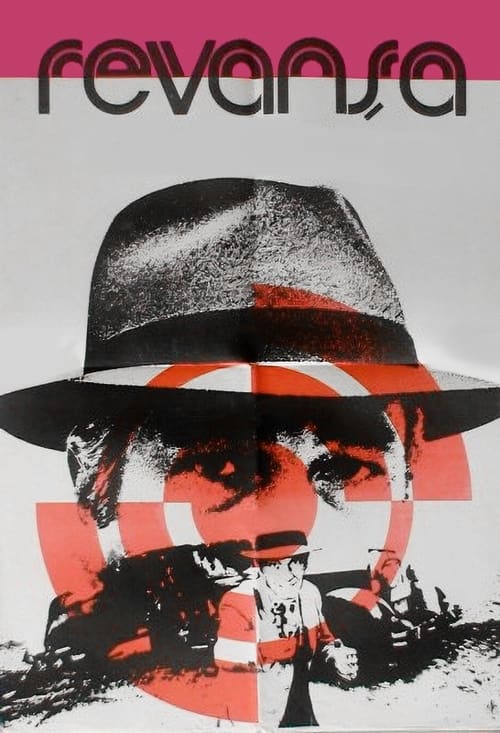
Revenge
1978
No user ratings available yet
Representation score: 2.6 out of 10
Representation Score
Limited
1974
Director
Sergiu Nicolaescu
Runtime
114 minutes
Average Rating
No ratings yetNew Showbiz Analysis
The film presents a starkly bifurcated profile. It lacks modern identity-based representation, particularly regarding LGBTQ+ and disability, which keeps the score low. The setting and genre reinforce traditional patriarchal and homogeneous European demographics. However, the work excels in cultural critique. By deconstructing the myth of a stable state and portraying nationalist institutions as corrupt, the narrative offers a sophisticated ideological challenge to the prevailing political order. Ultimately, the film prioritizes the subversion of systemic power over social diversity, making it a politically dense but demographically narrow crime thriller.
Category Breakdown
The film focuses on political espionage and criminal investigation. There are no LGBTQ+ characters or narratives exploring non-straight relationships.
The narrative centers on male authority figures such as police prefects and commissioners. Female characters appear primarily as functional plot devices within the prostitution-focused Morals Division.
Set in 1940s Romania, the film depicts a largely homogeneous ethnic landscape. It focuses on internal political and ideological divisions rather than multi-ethnic representation.
The film critiques nationalist hegemony and institutional corruption. It portrays the Iron Guard as a violent entity and uses a subversive protagonist to challenge state legitimacy.
There is no evidence of characters with visible or invisible disabilities being portrayed with real power. The focus remains strictly on political and criminal ability to act.
Present on Screen
Limited or Absent
Official Synopsis
The Iron Guard, also known as Legion of Archangel Michael, was a Romanian nationalist and patriotic movement of extreme right; as such, after it rose to power, it supported Nazi Germany and started a fierce campaign of retaliation against its political enemies. As such, in the night of November 26-27, 1940, the Death Teams executed forty political prisoners in the Jilava prison (in the movie, named "Viraga"), and next day, other two Teams arrested and shot the former minister Virgil Madgearu and the world famous historian Nicolae Iorga. To squash down the political outcry, the Police Prefect Stefan Zävoianu conveniently assigns the cases to a commissioner from the "Morals Division" (prostitution, thieves), Tudor Moldovan, hoping that he will fail to get to the bottom of the case. However, Moldovan has communist sympathies, so he quickly comes under the influence of the Bolshevik Pîrvu, who had escaped during the Viraga...
1978
1973
2006
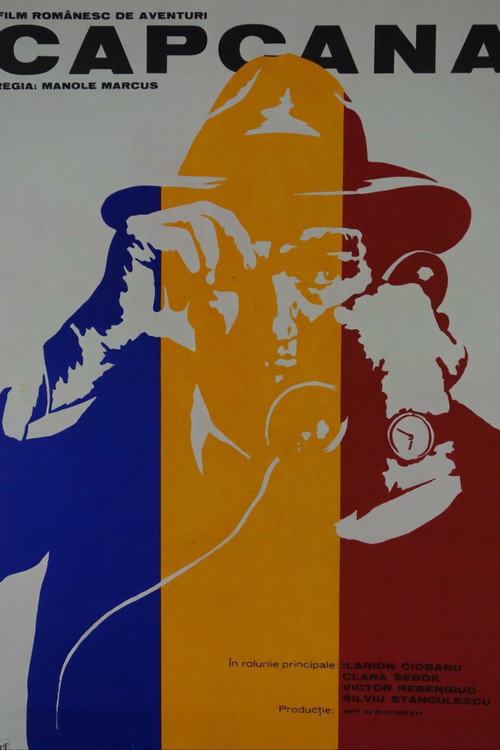
1974
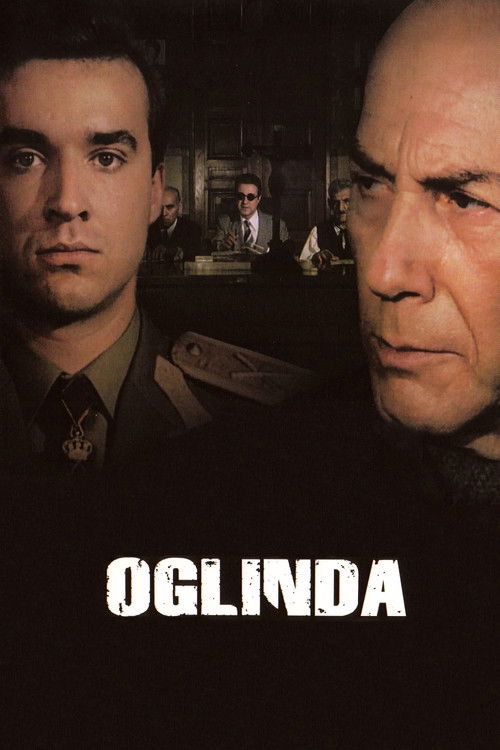
1994
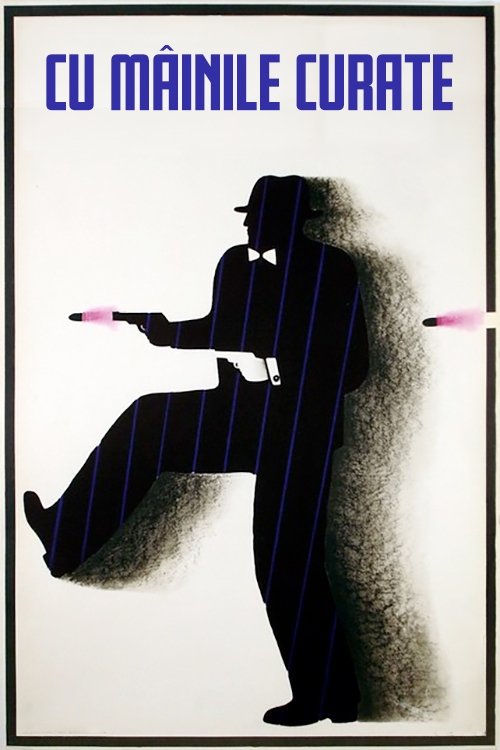
1972
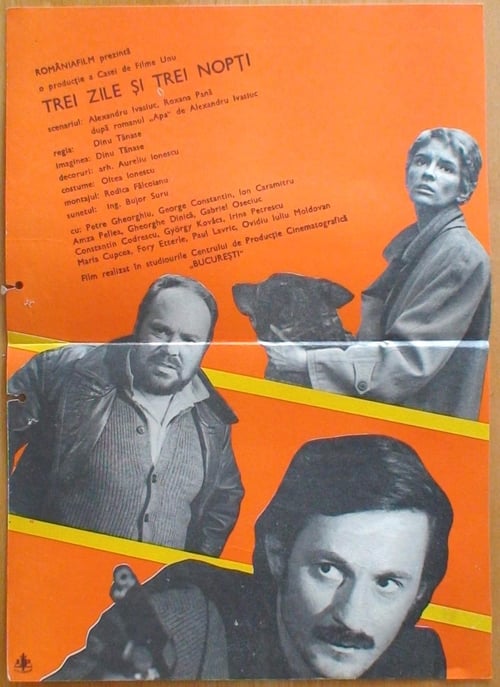
1976
1976
No reviews yet. Be the first to share your thoughts on this movie!
Use the rating form above to leave a star rating and optional review.