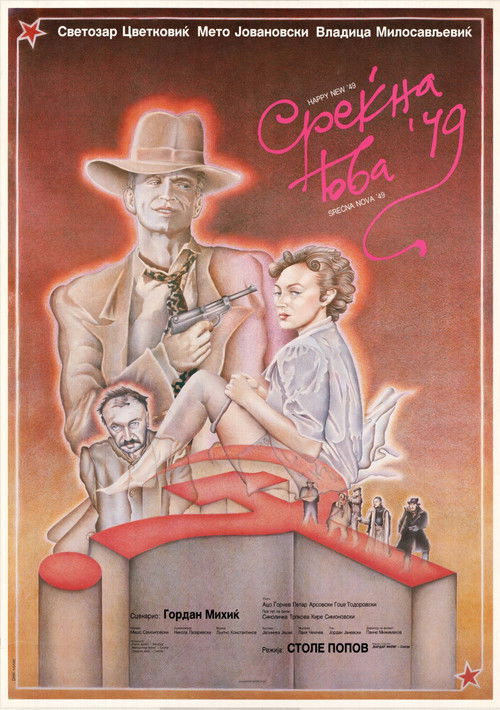
Happy New '49
1986
No user ratings available yet
Representation score: 5.5 out of 10
Representation Score
Minimal
1974
Director
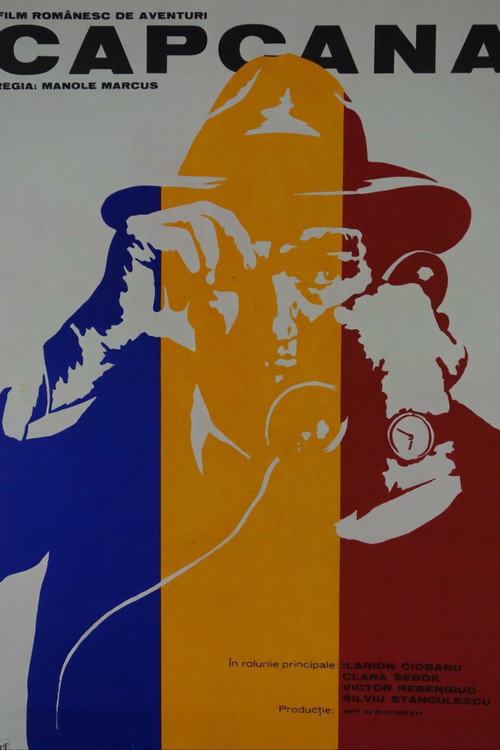
Manole Marcus
Runtime
100 minutes
Average Rating
No ratings yetNew Showbiz Analysis
The film is set in the specific historical context of 1974 Romania, focusing on the political shifts and the rise of the Communist Police. Its narrative is centered on the transition of power and the dynamics of state authority. The story emphasizes traditional masculine roles of leadership and law enforcement, which limits the exploration of gender and multi-layered diversity. The focus remains on the internal political struggles within a homogeneous society. Despite the lack of modern identity markers, the film provides a detailed cultural perspective on the era's political changes and the consolidation of state power.
Category Breakdown
The film does not include any LGBTQ+ characters or stories. The plot revolves around conflicts within the Communist Police and the criminal justice system.
The main character, Mihai Roman, is a male Major in the Communist Police, emphasizing traditional masculine roles of authority and physical confrontation.
The film's setting is ethnically uniform, focusing on internal political factions within Romania. There is no depiction of racial diversity or casting beyond the local population.
The film captures a significant political shift, showing the transition from nationalist groups to the state-controlled Communist Police.
There are no characters with physical or neurodivergent disabilities in the film. The storyline focuses on the conflict between police and criminal elements.
Present on Screen
Limited or Absent
Official Synopsis
After defeating some Iron Guard gangs in Bucharest, those who survived were hiding somewhere in the mountains. Several bloody events took place in one of the smaller villages. In the unequal struggle with criminals entered the former police commissioner who meanwhile became a Major in Romanian Communist Police, Mihai Roman.
1986
1994
1974

1973
1976

1972

1978
1993
No reviews yet. Be the first to share your thoughts on this movie!
Use the rating form above to leave a star rating and optional review.