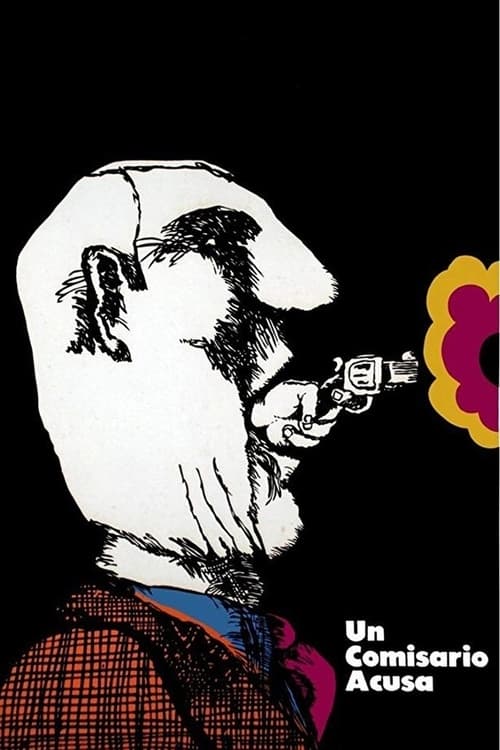
A Police Inspector Calls
1974
No user ratings available yet
Diversity score: 4.0 out of 10
1973
Director
Sergiu Nicolaescu
Runtime
100 minutes
Average Rating
No ratings yetSynopsis
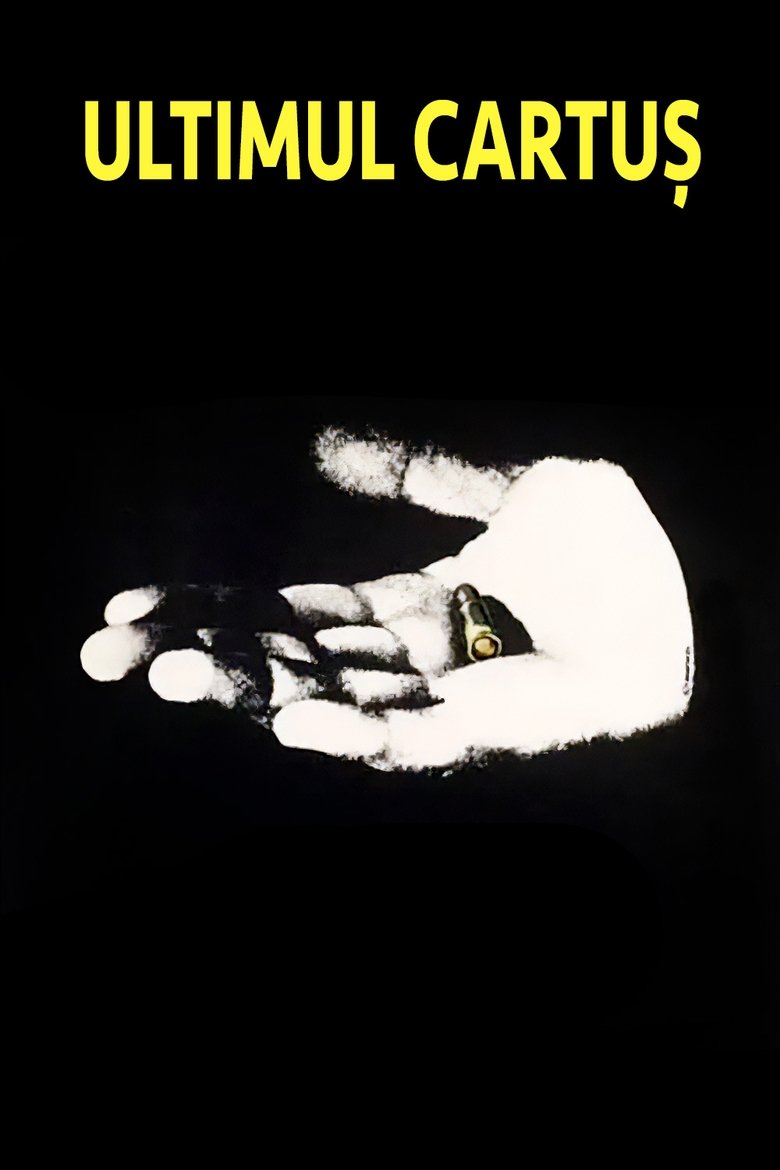
A continuation of a story started in the drama "With Clean Hands" (1972). Commissioner Miclovan's last cartridge is still hot in the pocket of Roman. Left without Miclovan's support, dead in action, Commissioner Roman wants to see his murderer, a very powerful local mafia and smuggler, Mr. Semaca, acquitted by the court for lack of evidence, punished. But before dealing with Semaca, Roman receives a new mission, this time undercover: the capture of a German spy still active in the country, suspected to be hiding in a monastery. In this mission, Commissioner Roman also has a helper, Oarca, a former underwriter who proves good at everything and especially at car chases on serpentine...
Overall Score
Limited
Category Breakdown
LGBTQ+ Representation
The film operates within a traditional masculine framework centered on law enforcement. There is no evidence of LGBTQ+ characters or narratives engaging with non-heteronormative identities.
Gender Representation
The plot is driven by male-coded authority figures like Commissioner Roman. While the partner Oarca shows high competence, the film adheres to traditional 1970s gender hierarchies.
Racial & Ethnic Diversity
Set in Romania, the narrative focuses on local crime and espionage. The cast reflects a homogeneous demographic consistent with the era and specific national setting.
Religious & Cultural Diversity
The story explores justice and corruption through a state commissioner. A monastery setting serves as a plot device for espionage rather than a platform for religious commentary.
Disability Representation
Characters are presented through traditional action archetypes. There is no evidence of characters with physical or neurodivergent disabilities.
Strengths
Areas for Improvement
AI Analysis
The Last Bullet is a conventional 1970s action-thriller that prioritizes state-driven justice and masculine agency. The narrative architecture reinforces traditional hierarchies of authority rather than subverting them. Representation is limited by the genre's focus on law enforcement and crime. The film reflects the homogeneous demographic and social norms typical of Eastern European cinema during this period. While the film explores institutional corruption, it does so through the lens of a state commissioner, maintaining a focus on state-sanctioned authority.
1974
1976
1977

1977

2024
1976
2012
1977
2010
1980
1973
2009
No reviews yet. Be the first to share your thoughts on this movie!
Use the rating form above to leave a star rating and optional review.