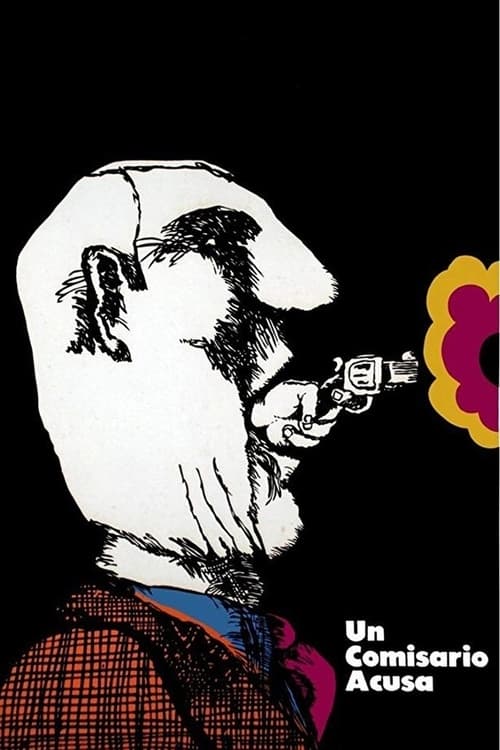
A Police Inspector Calls
1974
No user ratings available yet
Representation score: 2.7 out of 10
Representation Score
Limited
1978
Director
Sergiu Nicolaescu
Average Rating
No ratings yetNew Showbiz Analysis
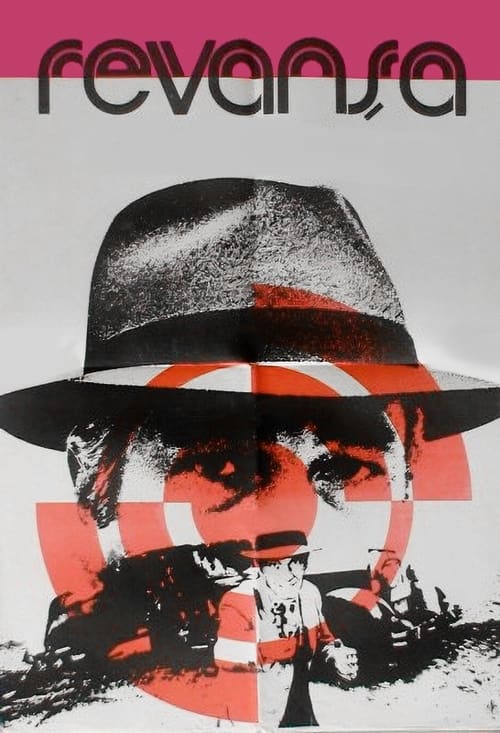
Revenge is a period action thriller that emphasizes ideological and class-based conflict over individual identity politics. The story centers on Inspector Tudor Moldovan's fight against fascist movements and criminal elements, using a revolutionary framework to challenge the status quo. While the film lacks contemporary diversity in terms of gender and LGBTQ+ representation, it excels in cultural critique by positioning the ruling class and fascist movements as systemic antagonists. Ultimately, the film is a product of its specific historical and political era, focusing on systemic upheaval rather than a diverse range of personal identities.
Category Breakdown
The film focuses on traditional masculine figures and political struggles, with no depiction of non-binary gender identities or same-sex relationships.
The story revolves around male-driven action and political maneuvering, where female characters are mostly confined to secondary or domestic roles.
The cast is primarily made up of individuals from the same ethnic background, reflecting the demographic reality of late 19th-century Romania.
The film critiques established power structures by depicting the struggle between revolutionaries and fascist movements, emphasizing class struggle and the dismantling of oppressive institutions.
There is no indication of the portrayal of physical or neurodivergent disabilities within the narrative.
Present on Screen
Limited or Absent
Official Synopsis
"Revansa" (Revenge) appeared not so long after the preview movie of the series, "Un comisar acuza" (The Police Inspector Calls). In this sequel we meet up with police inspector Tudor Moldovan, once again, who wasn't actually killed and who has returned to put an end to Paraipan's actions once and for all. When Paraipan kidnaps Moldovan's kid, the police inspector makes up his mind to punish Paraipan and his bosses and to finish off the fascist movement, lead by Zavoianu and his allies. Together with the communist that fight to gain power, Moldovan takes out his enemies one by one.
1974

2009
1973
1974
1970
1980
1981
1987
No reviews yet. Be the first to share your thoughts on this movie!
Use the rating form above to leave a star rating and optional review.