
Jenny
1970
No user ratings available yet
Representation score: 1.4 out of 10
Representation Score
Minimal
1969
RDirector
Alex March
Runtime
102 minutes
Average Rating
No ratings yetNew Showbiz Analysis
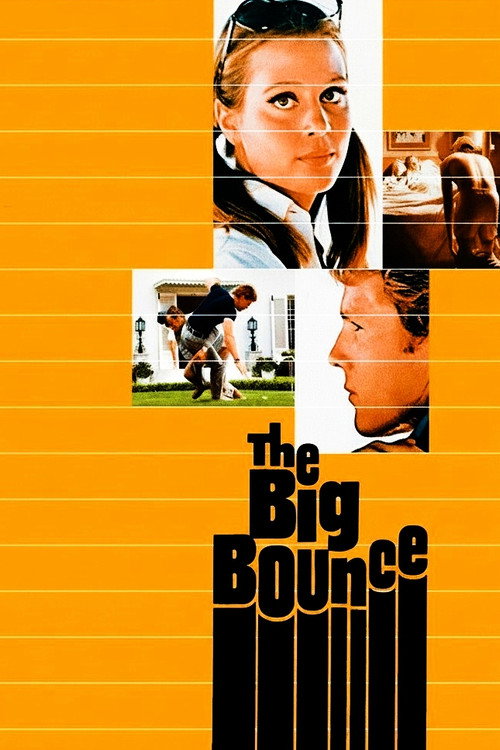
The Big Bounce is a conventional 1960s genre piece centered around personal greed and deception. Its narrative structure emphasizes individual drama rather than challenging societal hierarchies or systemic power structures. By adhering strictly to the cinematic clichés of its era, the film reinforces the status quo without disrupting established norms regarding race, gender, or identity.
Category Breakdown
The film focuses solely on heterosexual relationships and does not include any characters with non-binary gender identities or LGBTQ+ narratives.
Gender roles adhere to mid-century standards. The female lead exerts some influence through deception, while the plot remains driven by masculine traits of greed and risk-taking.
The cast is predominantly white, lacking meaningful racial diversity and characters of color in key roles.
Capitalist themes such as gambling serve as the backdrop for individual moral failings. The story does not critically examine these institutions.
There are no characters with visible or invisible disabilities, nor is there any representation of neurodivergent individuals.
Present on Screen
Limited or Absent
Official Synopsis
A Vietnam veteran and ex-con is persuaded by a shady woman to rob a $50,000 payroll account on a California produce farm. But who is playing who?
1970
1963

1966
1966

1968

1963

1962

1949
No reviews yet. Be the first to share your thoughts on this movie!
Use the rating form above to leave a star rating and optional review.