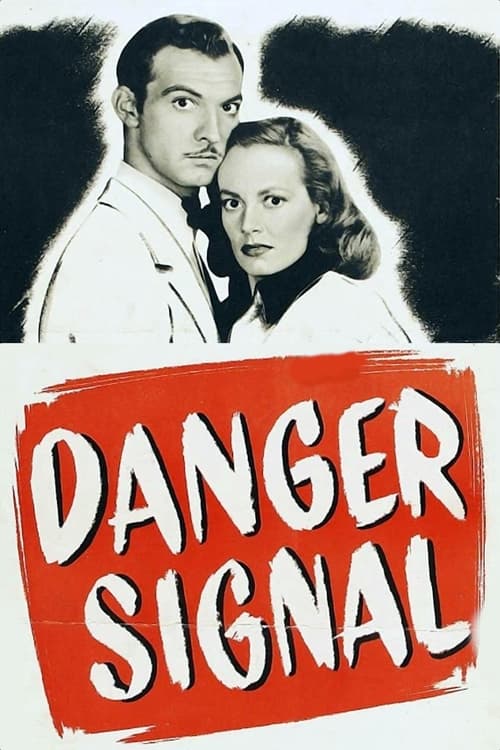
Danger Signal
1945
No user ratings available yet
Representation score: 1.4 out of 10
Representation Score
Minimal
1946
NRDirector
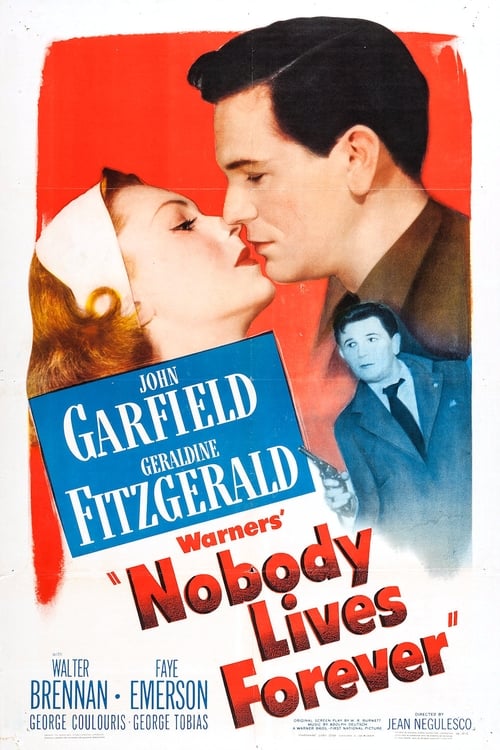
Jean Negulesco
Runtime
100 minutes
Average Rating
No ratings yetNew Showbiz Analysis
Nobody Lives Forever is a product of its time, sticking closely to the mid-century crime drama format. The narrative leans on the well-established con artist cliché, centering on a transactional relationship between a male lead and a wealthy widow. The film emphasizes genre conventions and demographic uniformity. It operates within a traditional social hierarchy, offering little in the way of challenging identity politics or diverse representation. Overall, the work serves as a typical example of 1946 studio filmmaking, highlighting melodrama and socioeconomic tension over social disruption.
Category Breakdown
The story focuses on a heterosexual relationship between a con artist and a widow. There are no characters with non-straight identities or critiques of the assumption that everyone is straight.
A wealthy widow holds significant economic power, but the film likely depends on traditional 1940s gender roles. This can reinforce gender hierarchies instead of challenging them.
The film reflects the homogeneous demographics typical of 1946 Hollywood. There is no indication of diverse casting or representation of different racial backgrounds.
The plot examines deception and class differences through a conventional moral perspective. It does not significantly question Western institutions or cultural norms.
The narrative includes no characters with visible or invisible disabilities woven into the storyline.
Present on Screen
Limited or Absent
Official Synopsis
A con artist falls for the rich widow he's trying to fleece.
1945
1943
1944
1945
1949

1950

1951

1945
No reviews yet. Be the first to share your thoughts on this movie!
Use the rating form above to leave a star rating and optional review.