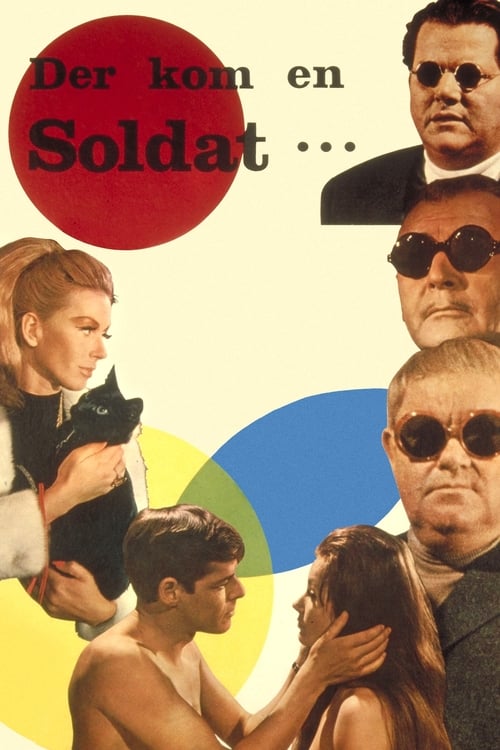
Along Came a Soldier
1969
No user ratings available yet
Representation score: 1.9 out of 10
Representation Score
Minimal
1960
NRDirector
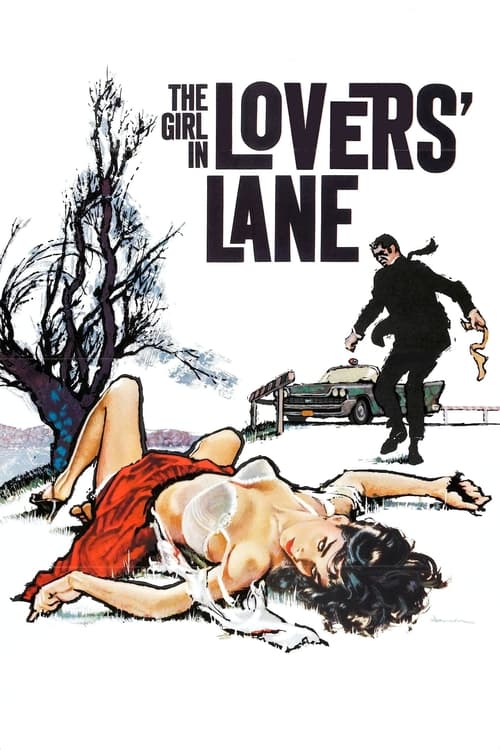
Charles R. Rondeau
Runtime
78 minutes
Average Rating
No ratings yetNew Showbiz Analysis
The Girl in Lovers Lane functions as a typical mid-century crime drama that reflects the social constraints of its era. It lacks the intentionality needed to disrupt traditional cinematic formulas or hierarchies. The film relies on established crime-drama conventions, focusing on male-driven stories and localized morality. This results in a narrative that reinforces, rather than challenges, the status quo of 1960. Ultimately, the production appears to be a product of its time, offering little in the way of diverse representation.
Category Breakdown
The film follows traditional assumptions about straight relationships and does not include characters with non-traditional gender identities or sexual orientations.
The story emphasizes male-driven conflicts and male characters taking control. It likely reinforces traditional gender roles without showing women in leadership positions or high intelligence roles.
The small-town setting and genre conventions suggest a homogeneous cast. There is no indication of diverse ethnic perspectives or intentional racial integration within the story.
Themes of love and murder suggest a focus on traditional morality and local social structures. The work operates within the established social norms of the early 1960s.
No information is available regarding the portrayal of physical or neurodivergent characters in this production.
Present on Screen
Limited or Absent
Official Synopsis
Two drifters contend with love and murder in a small town.
1969
1960
1960
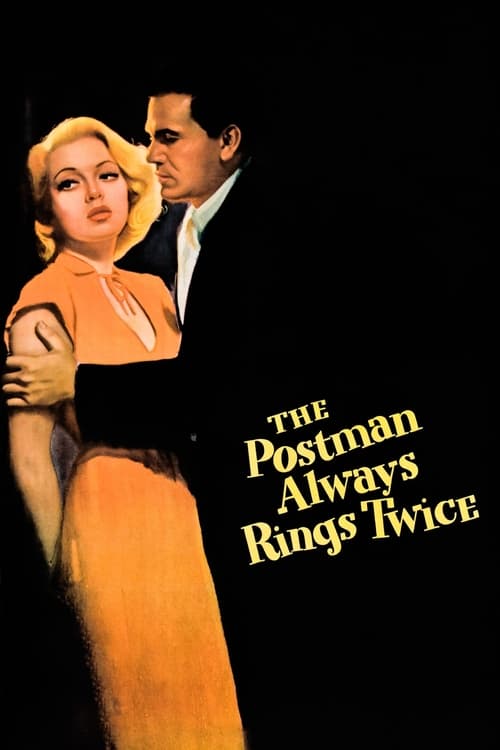
1946
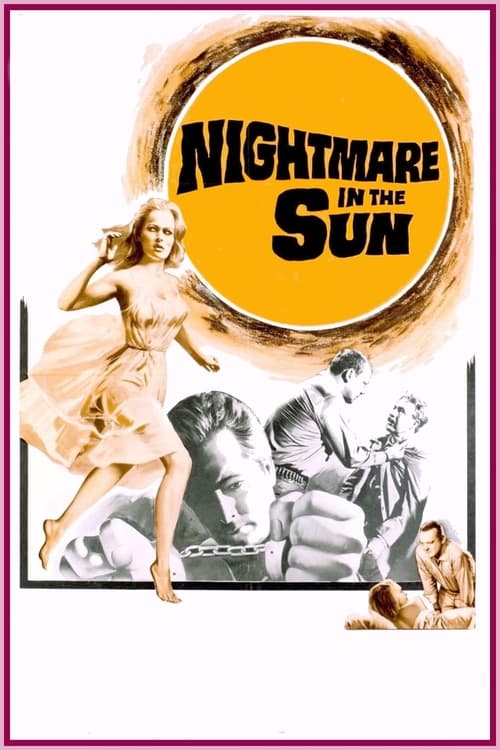
1965

1960
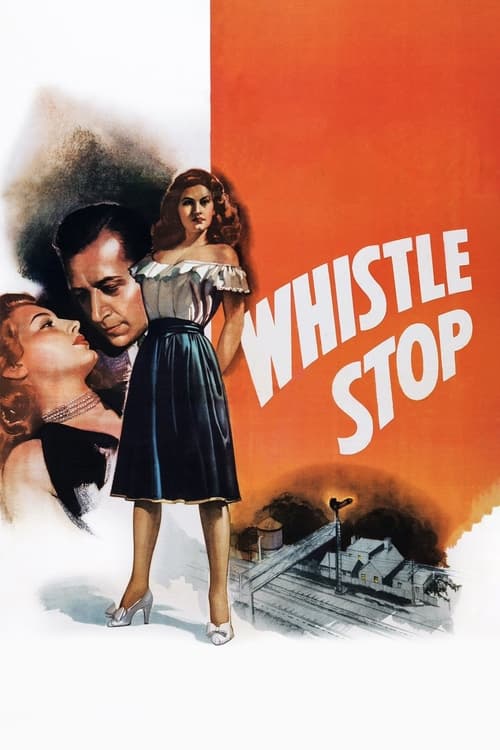
1946
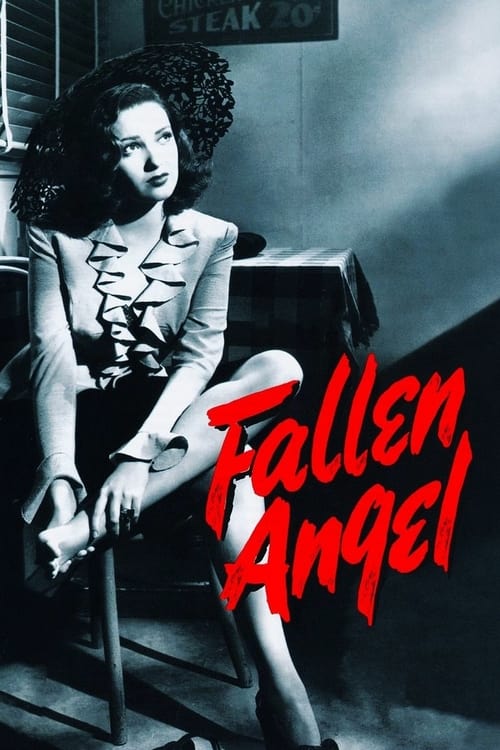
1945
No reviews yet. Be the first to share your thoughts on this movie!
Use the rating form above to leave a star rating and optional review.