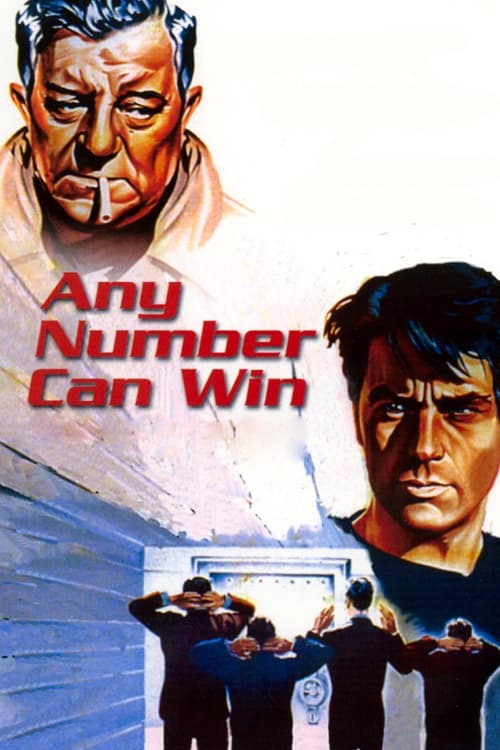
Any Number Can Win
1963
No user ratings available yet
Representation score: 0.9 out of 10

Representation Score
Fair
1973
PGDirector
Claude Lelouch
Runtime
115 minutes
Average Rating
No ratings yetNew Showbiz Analysis
Claude Lelouch’s film is a character-driven exploration of individual experience and chance. It presents a romanticized view of life without critiquing social hierarchies. The narrative sticks to traditional approaches to identity, focusing on the protagonist's personal journey through crime and romance. It does not interrogate systemic power structures or diverse identity narratives. Overall, the film captures the social textures of its era without challenging established cultural norms.
Category Breakdown
The film follows typical romantic storylines of its time, focusing on heterosexual relationships without delving into queer or non-binary identities.
The story centers around male-dominated themes of crime and romance. Women play supporting roles in the protagonist's life but do not lead systemic change.
The cast mainly reflects a homogeneous French society of the 1970s. It does not highlight multi-ethnic diversity or intersecting racial experiences.
The story emphasizes personal choice and romantic fate. It avoids overt religious doctrine but does not actively challenge Western institutions.
The film portrays characters as fully able-bodied, participating in social and criminal activities. It does not depict any visible or invisible disabilities.
Present on Screen
Limited or Absent
Official Synopsis
Released from prison under a New Year amnesty, a criminal tries to pick up the threads of a life changed not only by his daring plan to rob a jewelry store in out-of-season Cannes, but also by a very special someone he met there.
1963
1972

2002

1986
1987
1983
1987
1976
No reviews yet. Be the first to share your thoughts on this movie!
Use the rating form above to leave a star rating and optional review.