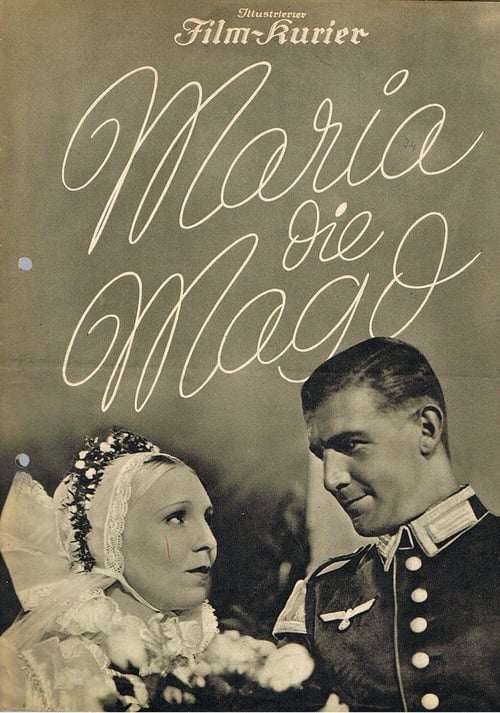
Maria, die Magd
1936
No user ratings available yet
Diversity score: 1.0 out of 10
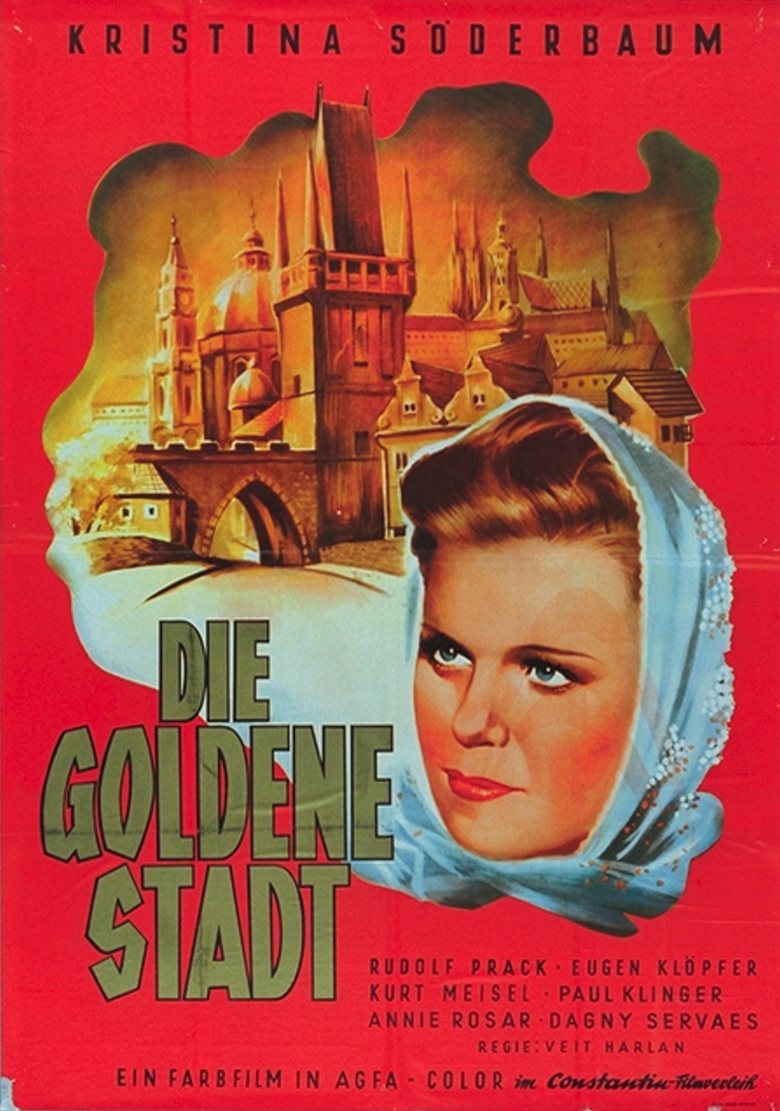
1942
Director
Veit Harlan
Runtime
110 minutes
Average Rating
No ratings yetSynopsis
Anna Jobst is the daughter of a rich, conservative farmer. Living on the bank of the Moldau, she wishes nothing more than follow the river to Prague, the "Golden City". After arriving, she quickly falls into a bad crowd.
Overall Score
Minimal
Category Breakdown
LGBTQ+ Representation
The film contains no discernible presence of LGBTQ+ identities. It operates within a rigid, traditionalist framework that precludes queer narratives, focusing instead on strictly defined social and moral roles.
Gender Representation
Female characters are relegated to archetypal roles, serving as symbols of devotion or objects of contention. There is a notable absence of female agency, as women primarily facilitate the arcs of dominant male figures.
Racial & Ethnic Diversity
The film employs an exclusionary aesthetic, using 'Aryan' standards for protagonists. It utilizes 'orientalized' depictions of Middle Eastern cultures to signify decadence, corruption, or moral decay to reinforce a racialized hierarchy.
Religious & Cultural Diversity
The narrative promotes a singular, state-sanctioned morality. It portrays religious institutions as corrupting forces that must be superseded by strong leadership to restore order and maintain social cohesion.
Disability Representation
There is no evidence of characters with visible or invisible disabilities being afforded agency. The focus on idealized physical and moral archetypes leaves no room for neurodivergence or physical disability.
Areas for Improvement
AI Analysis
The Golden City functions as a cinematic vehicle for reinforcing exclusionary hierarchies. Its narrative architecture is designed to uphold systemic oppression through 'blood and soil' aesthetics and the framing of 'othered' cultures as inherently corrupt. The film lacks intersectional depth, utilizing its historical setting to validate the rigid socio-political ideologies of the Third Reich. Creative decisions align with a nationalist morality that rejects pluralism in favor of state-mandated order. Ultimately, the work serves to reinforce racialized hierarchies and traditionalist social roles rather than offering nuanced or diverse perspectives.
1936
1943

1932

1930
1928
1950
1927
1940
1945
1926
1922
1948
No reviews yet. Be the first to share your thoughts on this movie!
Use the rating form above to leave a star rating and optional review.