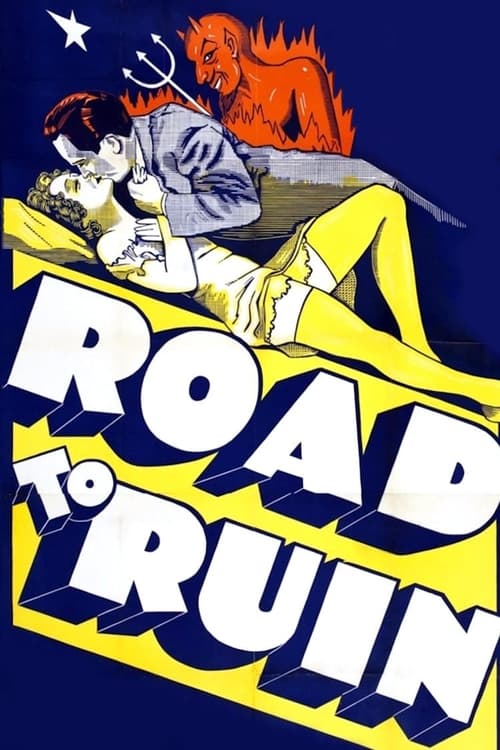
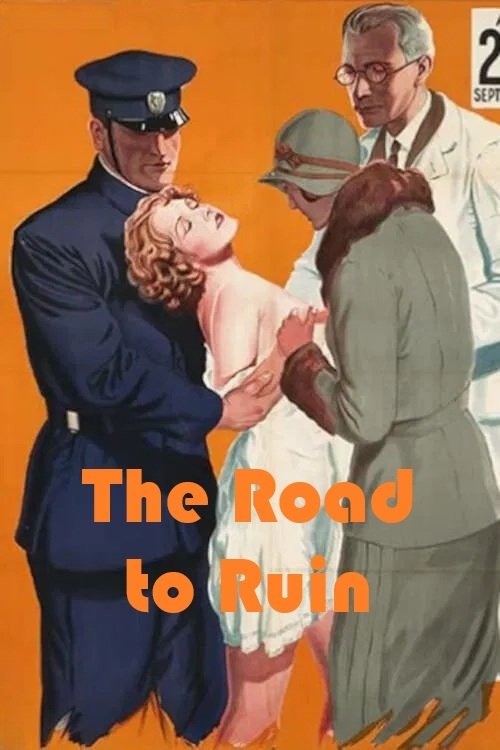
The Road to Ruin
1934
No user ratings available yet
Representation score: 1.1 out of 10
Representation Score
Minimal
1928
PassedDirector
Norton S. Parker
Runtime
58 minutes
Average Rating
No ratings yetNew Showbiz Analysis
The film operates as a sensationalist exploitation drama designed to reinforce conservative social hierarchies. It uses the protagonist's descent into 'sin' to uphold religious doctrines rather than exploring systemic causes. While the female lead exhibits a significant role in driving the story, the narrative ensures this independence is punished. The film functions as a deterrent against deviating from traditional domesticity. Ultimately, the work lacks complexity in reflecting multiple aspects of identity. It prioritizes a moralistic message over a nuanced exploration of identity, race, or social conditions.
Category Breakdown
The film does not include any depictions of non-binary genders or same-sex relationships. The story focuses solely on heterosexual interactions between the female lead and various men.
While the story centers around a female protagonist, her life is portrayed as a cautionary tale. Her autonomy is shown as leading to ruin, reinforcing traditional patriarchal standards.
There is no evidence of a diverse cast or non-white characters. The narrative seems to follow the homogeneous casting norms typical of 1920s urban dramas.
The film relies heavily on Christian moralism to frame the protagonist's struggles. It presents social issues as personal sins rather than critiques of systemic failures.
The narrative provides no information regarding characters with physical or neurodivergent disabilities.
Present on Screen
Limited or Absent
Official Synopsis
A controversial, low-budget drama about the life of a young teenage girl that goes on the "road to ruin." Sally is a 16-year-old New York City teen who, neglected by her parents, takes up smoking and drinking, engages in affairs with a series of older men, gets arrested by the police during a strip poker game, is sent home only to discover later that she's pregnant, and after getting an illegal abortion, the words "The Wages of Sin is Death" inexpliably appear over her bed in fire.
1934

1929

1915
1920
1918

1962
1931
1928
No reviews yet. Be the first to share your thoughts on this movie!
Use the rating form above to leave a star rating and optional review.