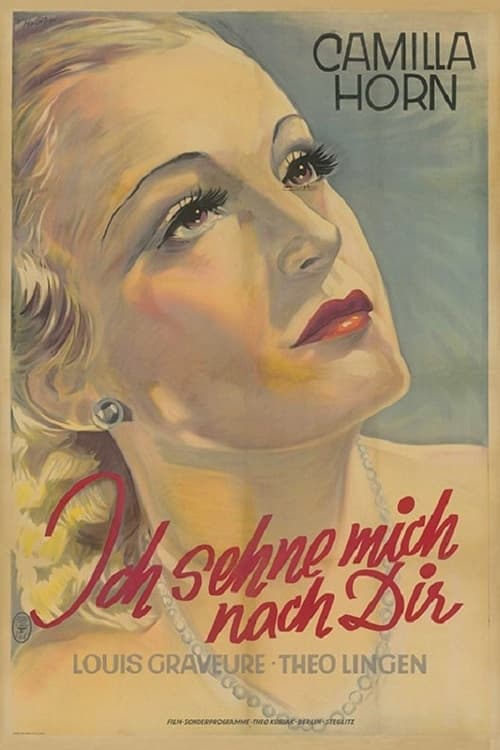
Ich sehne mich nach dir
1934
No user ratings available yet
Representation score: 0.0 out of 10
Representation Score
Minimal
1936
Director
Veit Harlan
Runtime
88 minutes
Average Rating
No ratings yetNew Showbiz Analysis
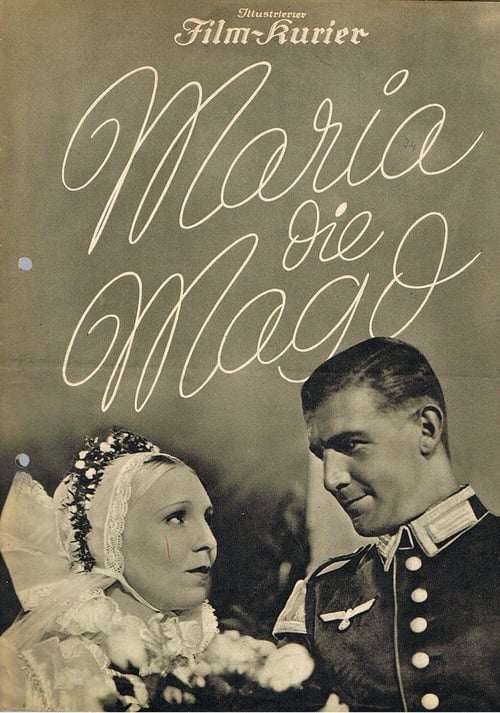
Maria, die Magd is a film that reinforces traditional social, religious, and gender norms. Its narrative structure supports these established hierarchies, presenting any deviation as a moral failing. Produced during the National Socialist era, the film aligns with the ideological frameworks of the time, emphasizing the sanctity of rural life and traditional folk culture.
Category Breakdown
The film does not include any representations of LGBTQ+ identities or stories involving non-binary gender roles. It focuses solely on traditional heterosexual relationships.
The story emphasizes strict gender roles, particularly through the protagonist's vulnerability. Women's independence is portrayed negatively, highlighting the burden of sexual morality placed on women.
The film features an entirely white cast, reflecting the ethnic homogeneity of the 1930s. There is no representation of diverse racial backgrounds.
The narrative upholds traditional moral and cultural values, celebrating rural traditions while depicting any deviation as harmful. It serves as a defense of established European institutions and rural life.
The film does not depict any significant instances of physical or cognitive disabilities.
Present on Screen
Limited or Absent
Official Synopsis
An actress and her lawyer husband are so busy that their maid becomes the real mother to their six year old boy and at one point causes consternation by taking the child away to her home village.
1934
1938
1938

1941
1944
1938

1942
1935
No reviews yet. Be the first to share your thoughts on this movie!
Use the rating form above to leave a star rating and optional review.