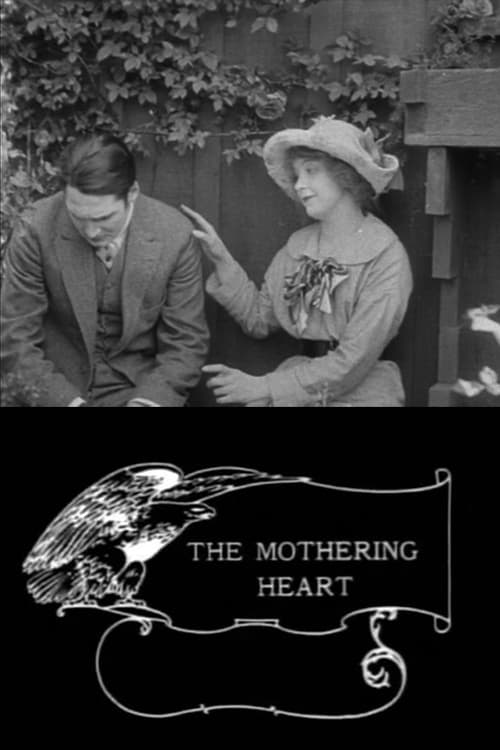
The Mothering Heart
1913
No user ratings available yet
Diversity score: 1.5 out of 10
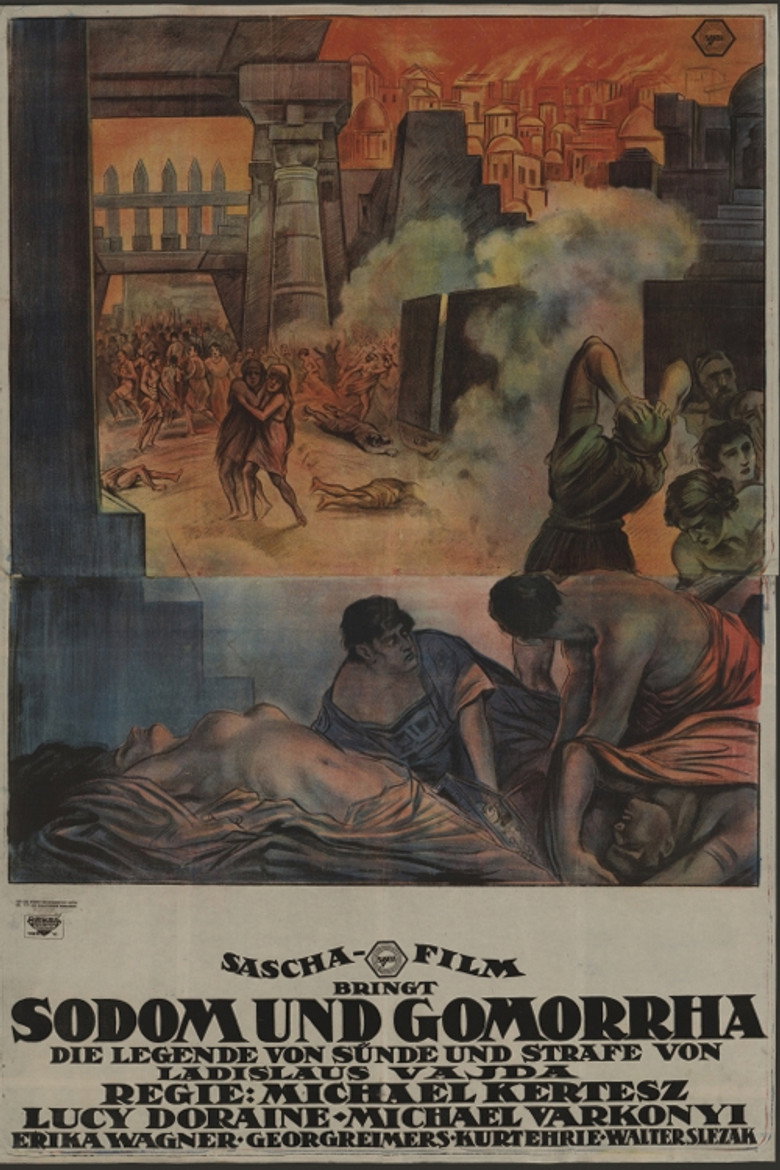
1922
Director
Michael Curtiz
Runtime
98 minutes
Average Rating
No ratings yetSynopsis
Exposed to bad influences since childhood, Mary, a young girl is pushed by her mother to approach an elderly banker by the name of Harber. After almost driving her fiancee to suicide and seducing his mentally-ill son, she realizes through a metaphorical dream the scope of her negligence. Sentenced to prison for incitement to murder Harber, she sees herself as a parallel figure to Lea, Lot's wife in Sodom, where the Angel of the Lord warns the sinful citizens of the city of their impending doom. Lea oppresses the angel and eventually turns it over to the pagan priests when her sexual advances to it are rejected. In another dream sequence, Mary becomes the Queen of Syria, whose oppressed people turn against her and who, in turn, condemns a young man who loves her to death. Finally, her dream returns to the present time and when she awakens, she runs back to her former lover.
Overall Score
Minimal
Category Breakdown
LGBTQ+ Representation
The film contains no depictions of non-cisnormative identities. Character dynamics are strictly defined by traditional sexual politics and religious frameworks of sin.
Gender Representation
Female agency is framed as a moral failure through the 'temptress' trope. Masculinity is primarily represented through figures of authority or as victims of chaos.
Racial & Ethnic Diversity
The production uses a primarily European cast to portray Middle Eastern figures. This results in a Westernized lens on ancient Levant settings without authentic ethnic representation.
Religious & Cultural Diversity
The narrative functions as a staunch endorsement of singular religious morality. It positions divine retribution as the ultimate arbiter of justice against sinful behavior.
Disability Representation
A mentally-ill son is mentioned, but he lacks agency. The condition serves as a narrative device to highlight the protagonist's negligence rather than exploring neurodivergence.
Strengths
Areas for Improvement
AI Analysis
Sodom and Gomorrah operates as a traditional morality play that reinforces established religious and social hierarchies. The narrative uses biblical archetypes to validate divine law, positioning the protagonist's journey as a cautionary tale against moral decay. The film lacks intersectional complexity, opting instead for grand-scale spectacle to uphold conservative dogmas. It relies on archetypal characters to promote absolute moral truths rather than exploring systemic or empathetic perspectives. Ultimately, the work functions to uphold traditionalist storytelling, using its characters to reinforce a singular, rigid worldview through the lens of inevitable divine judgment.
1913
1914

1917

1948

1932
1920
1928

1933
1942

1954

1952
1925
No reviews yet. Be the first to share your thoughts on this movie!
Use the rating form above to leave a star rating and optional review.