Poultry-Yard
1896
No user ratings available yet
Representation score: 0.8 out of 10
Representation Score
Minimal
1896
Not RatedDirector
James H. White
Runtime
1 minutes
Average Rating
No ratings yetNew Showbiz Analysis
Feeding the Doves is an early example of the 'actuality' genre, focusing on spontaneous realism rather than narrative complexity or social commentary. Its low diversity score is due to its emphasis on traditional, domestic subject matter. The film lacks the depth needed to explore multi-layered themes or systemic issues. Ultimately, it captures a quiet, conventional moment in time, reflecting the constraints of its era.
Category Breakdown
The film does not include any LGBTQ+ characters or non-cisgender identities. It focuses on everyday activities without exploring any queer themes.
A woman and a young girl are the main subjects, highlighting female-driven domestic labor. However, it is unclear if these roles challenge or reinforce traditional gender roles.
The film does not specify the ethnicity of the subjects. Given its historical context, it likely reflects the demographics typical of late 19th-century Western documentary filmmaking.
The footage captures traditional farming and animal care. It presents a conventional rural scene without any secular or anti-Western themes.
There is no visible or reported evidence of characters with physical or neurodivergent disabilities in this work.
Present on Screen
Limited or Absent
Official Synopsis
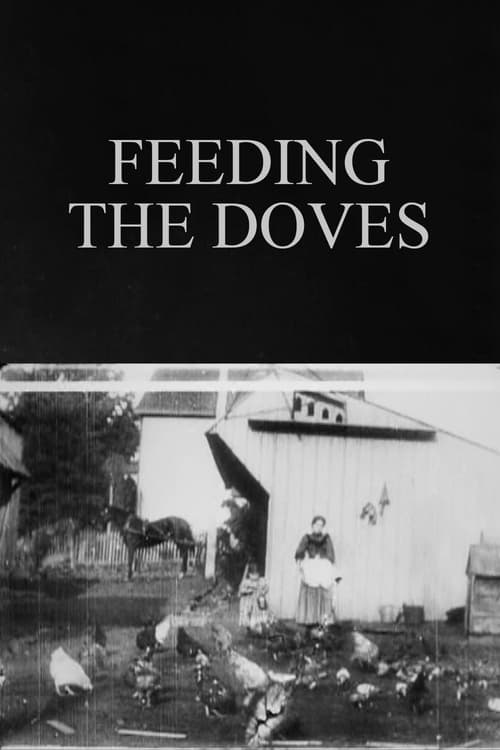
A woman and a young girl each carry containers of bird feed, and they toss occasional handfuls to the chickens and doves in the farmyard. Most of the chickens stay nearby, but the doves occasionally fly off and then return to eat more.
1896
1896
1896
1896
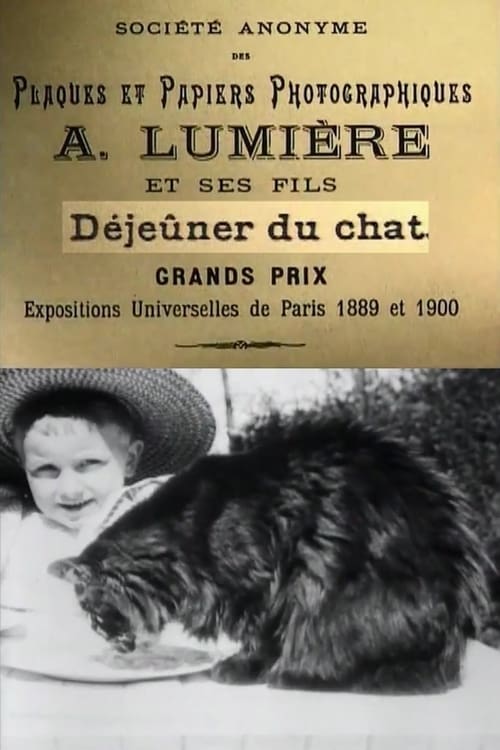
1895
1897
1898
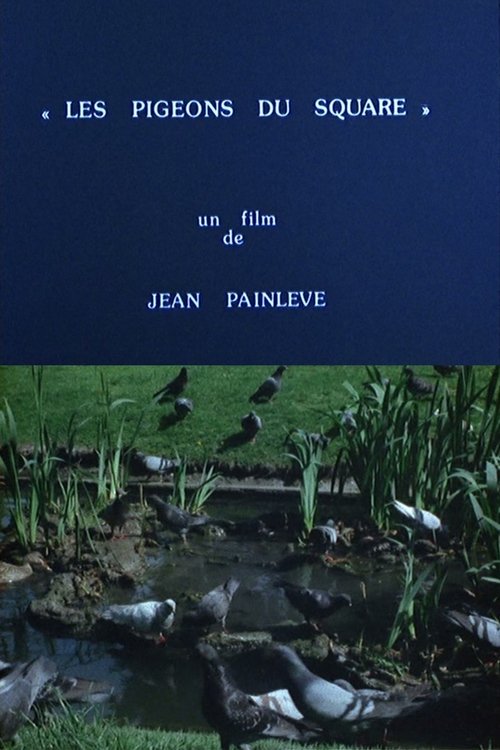
1982
No reviews yet. Be the first to share your thoughts on this movie!
Use the rating form above to leave a star rating and optional review.